Coastal Retreats
Egypt's coastlines offer a vast array of natural settings, from the calm, shallow waters of the Mediterranean to the deep, vibrant basins of the Red Sea. For those looking to escape the intensity of the interior, the sea provides a cooling influence and a constant source of movement. These travel guides focus on the natural attributes of the shoreline, highlighting areas where the sand, wind, and water create a perfect environment for reflection.
- Mediterranean northern shores
- Gulf of Aqaba inlets
- Red Sea marine life
- Southern wind corridors
- Mangrove ecosystems
The Mediterranean North
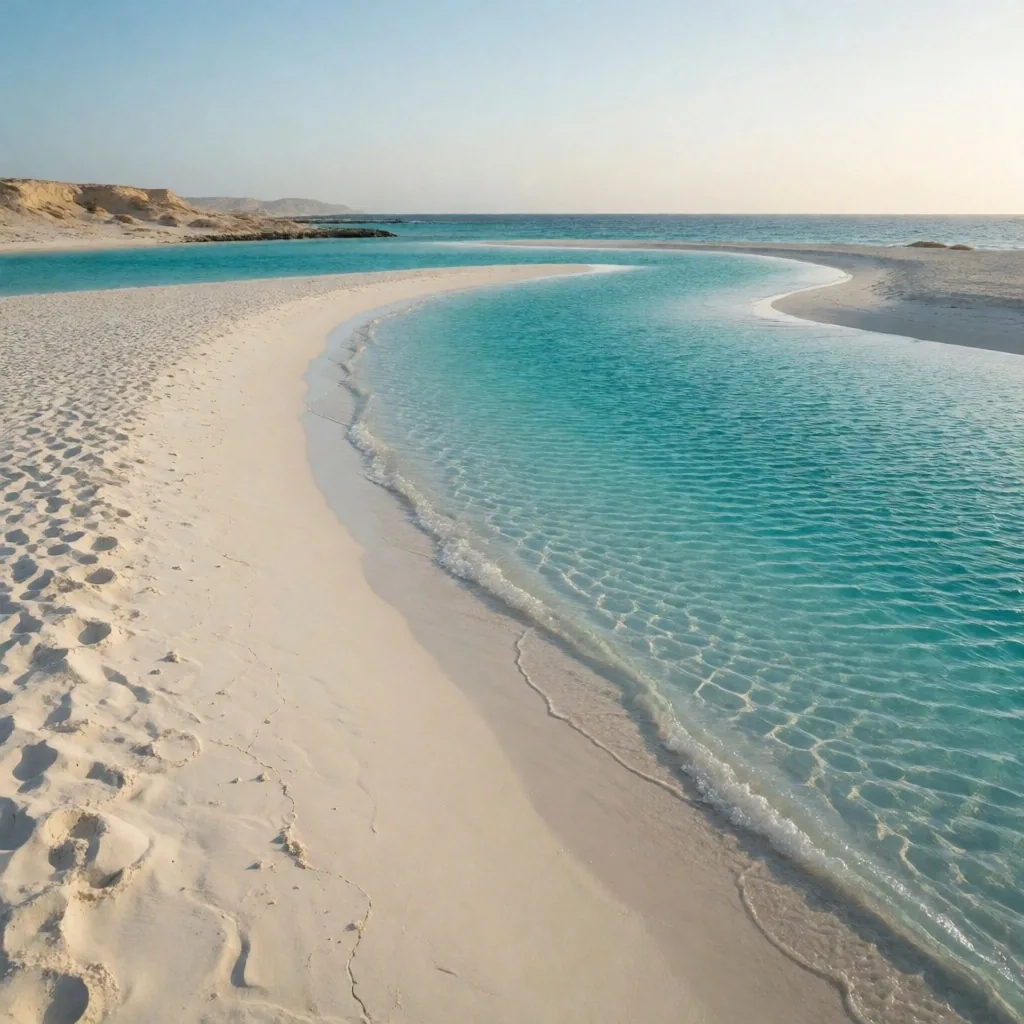
The northern coast of Egypt stretches from the western border to the Sinai Peninsula, characterized by fine white sand and clear blue waters. Unlike the rocky eastern coast, the Mediterranean side is known for its wide beaches and gentle slopes. The air here is often cooler, benefiting from the sea breezes that sweep across from the north.
Visitors can find long stretches of undeveloped shoreline where the sound of the waves is the only distraction. It is an ideal location for those who prefer the classic seaside experience of salt air and expansive horizons. The sand here is soft and fine, warming quickly under the morning sun but cooling rapidly once the afternoon breeze picks up.
- Wide, gentle beaches. The sand slopes gradually into the water, making it easy to wade long distances from shore.
- Cooler air currents. Sea breezes from the north lower the perceived temperature by several degrees compared to the interior.
- Undeveloped stretches. Long sections of shoreline remain free of construction, offering natural horizons and quiet conditions.
- Salt-air climate. The humidity stays moderate, and the scent of salt is a constant companion along the waterline.
The Gulf of Aqaba
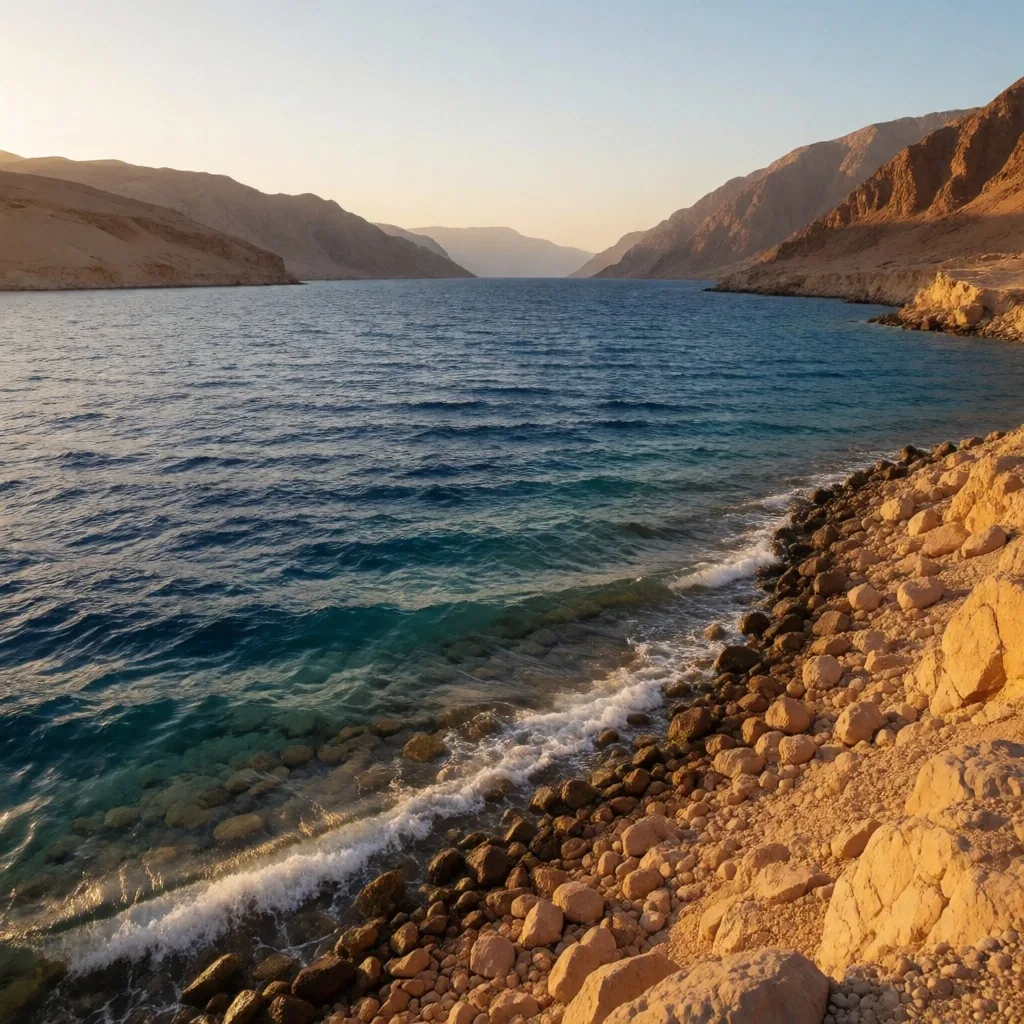
Located between the Sinai Peninsula and the Arabian Peninsula, the Gulf of Aqaba is a deep, narrow body of water known for its exceptional clarity. The mountains of the Sinai drop almost directly into the sea, creating a dramatic landscape where towering granite peaks overlook the water.
This area is sheltered from the open ocean, resulting in calm conditions that are perfect for observing the coastline. The natural inlets along the gulf offer secluded spots where palm trees grow close to the water's edge, providing a rare combination of desert and marine beauty.
Red Sea Marine Life
The Red Sea is world-renowned for its biodiversity. The fringing reefs that line the shore are home to hundreds of species of fish and coral. Even from the shore, the vibrant colors of the underwater world are often visible through the clear water. These ecosystems are sensitive and require careful visitation to ensure they remain healthy.
Our egypt travelling guides focus on observing these natural wonders responsibly, encouraging visitors to admire the reefs without causing physical disturbance to the delicate coral structures.
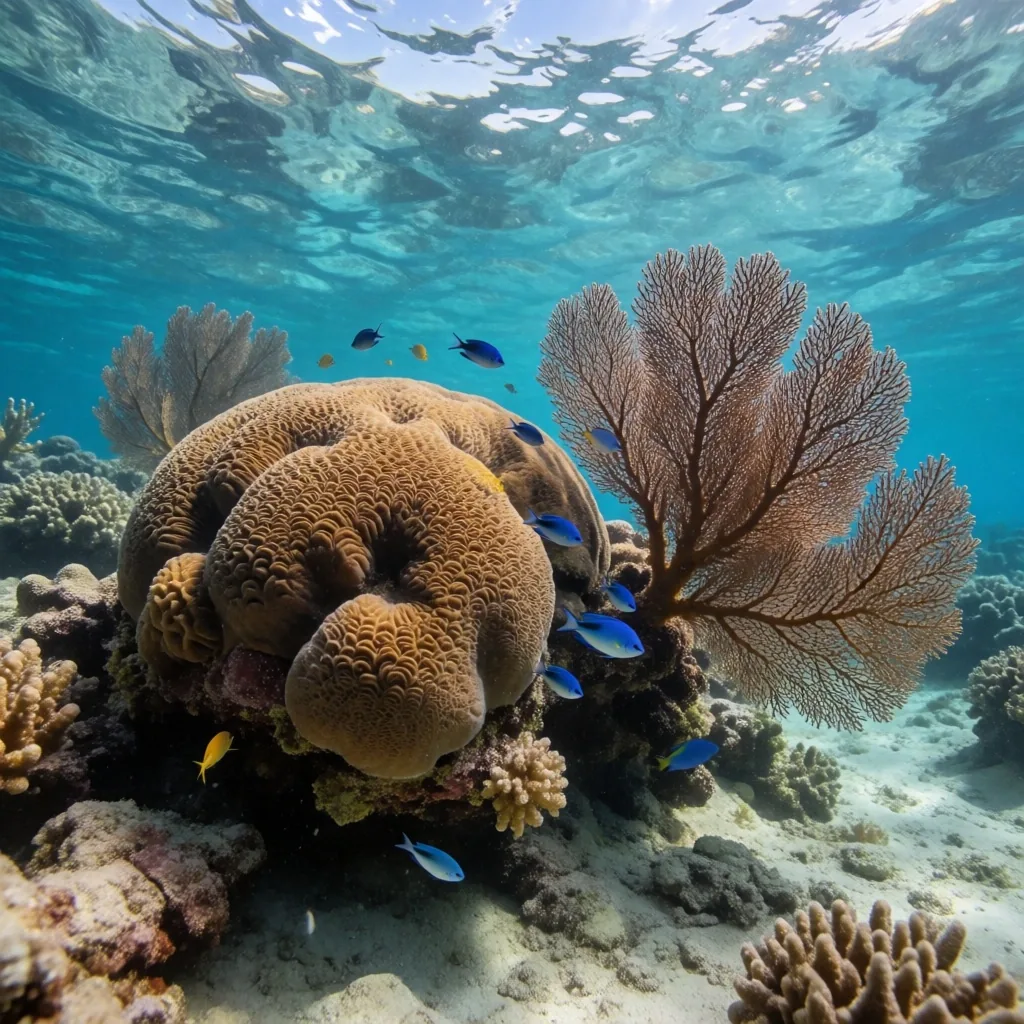
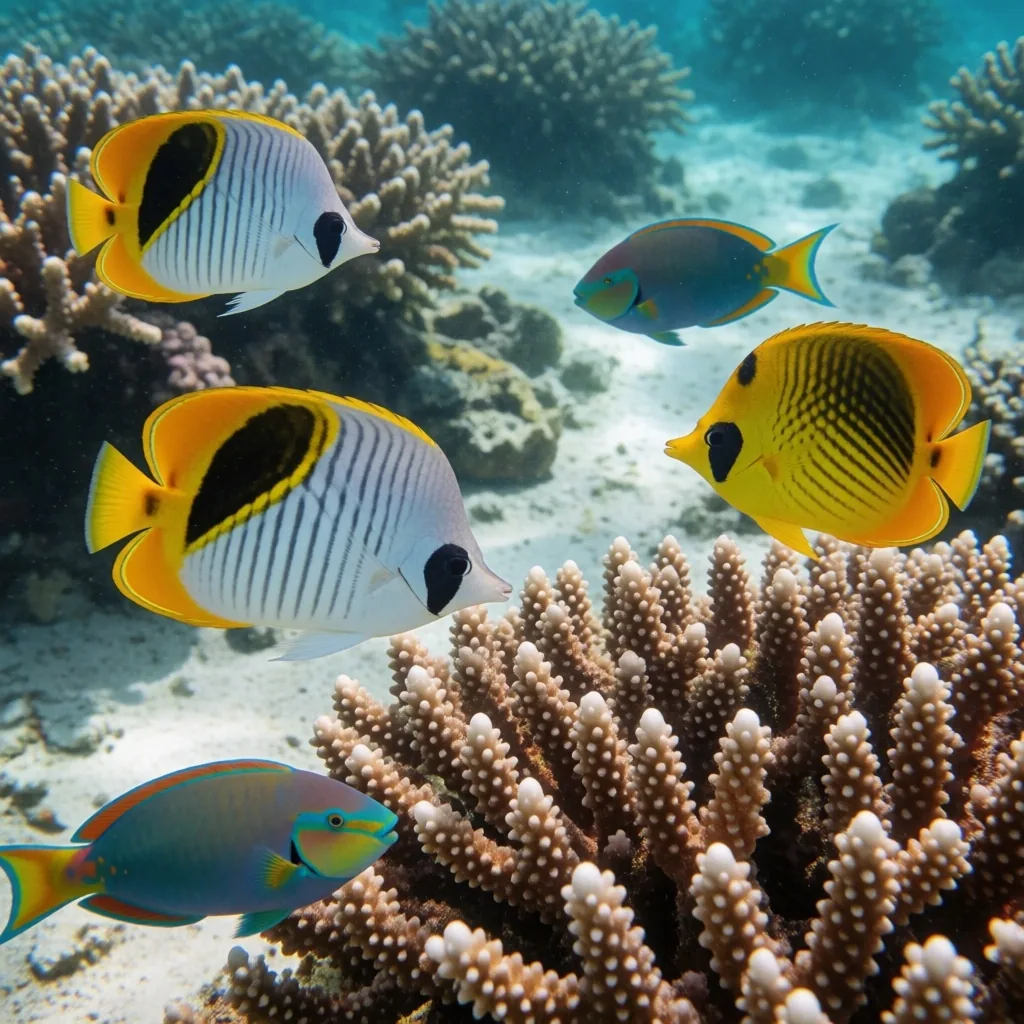
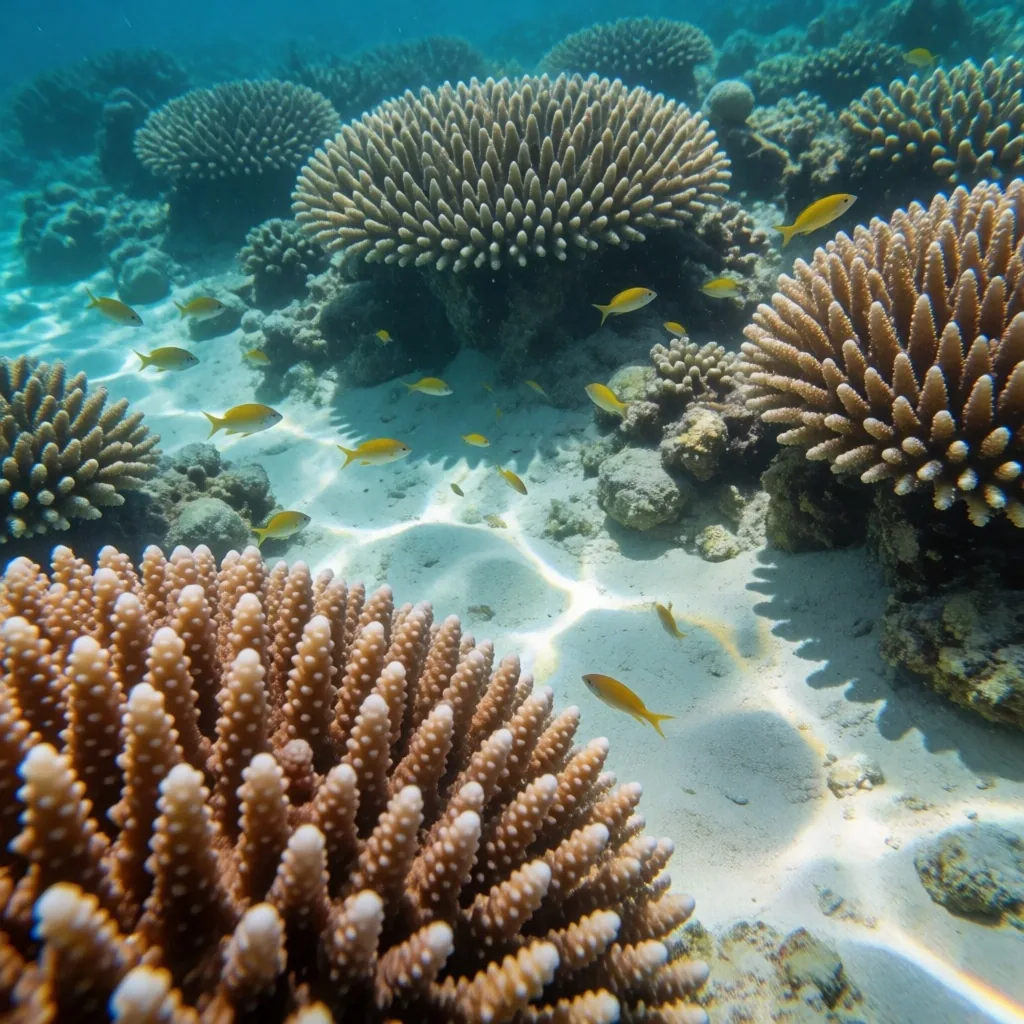
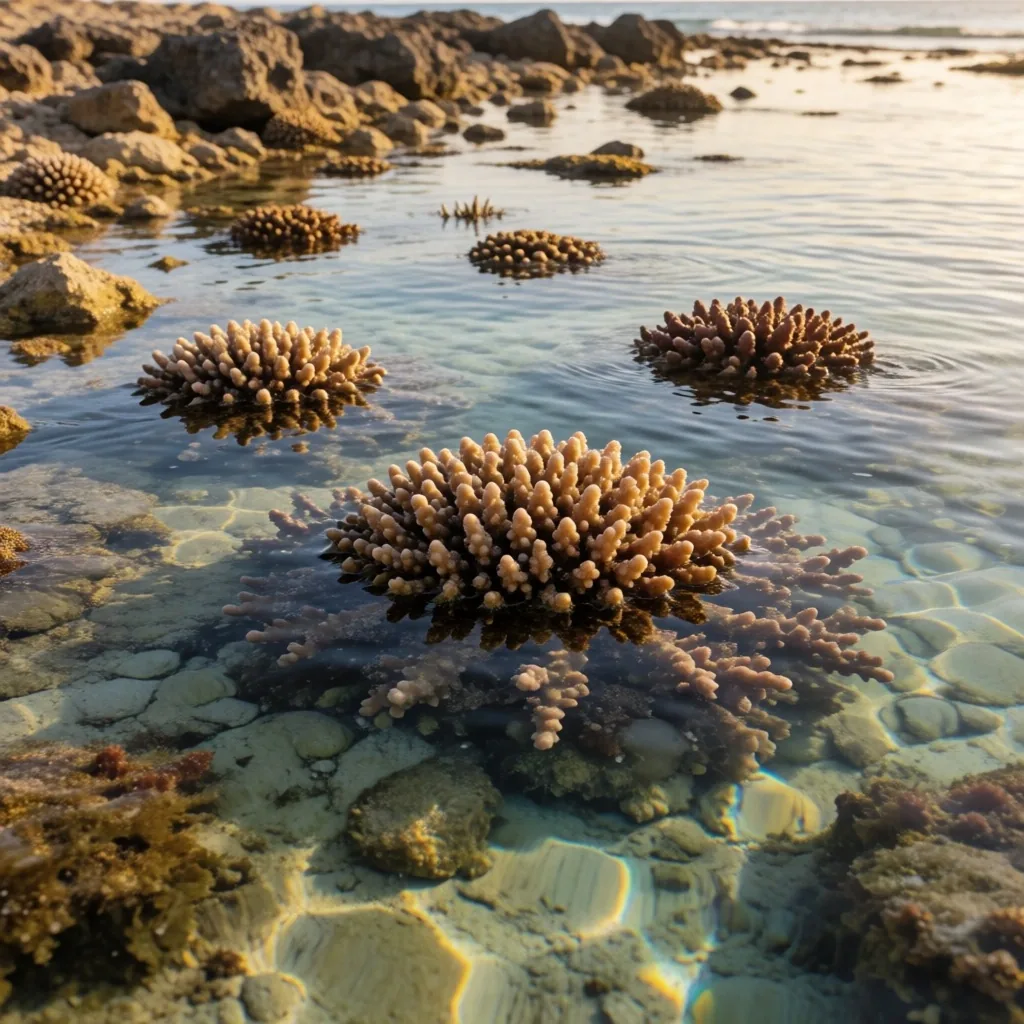
Keep a respectful distance from coral formations. Even light contact can damage organisms that took decades to grow. Float calmly and let the current carry you rather than kicking near the reef edge.
The fringing reefs grow directly from the shoreline, meaning the drop-off into deep water happens within a few meters of the beach. This close proximity makes the Red Sea one of the most accessible reef systems in the world.
Wind and Water in the South
As you move further south along the Red Sea, the landscape becomes more arid and the wind more consistent. This region is popular for its natural energy, where the elements are always in motion. The shoreline here is a mix of sandy bays and fossilized coral platforms.
The constant breeze makes the heat more manageable and creates a dynamic environment where the sea is always changing. It is a place for those who enjoy the raw power of the coast and the feeling of being at the edge of the wilderness.
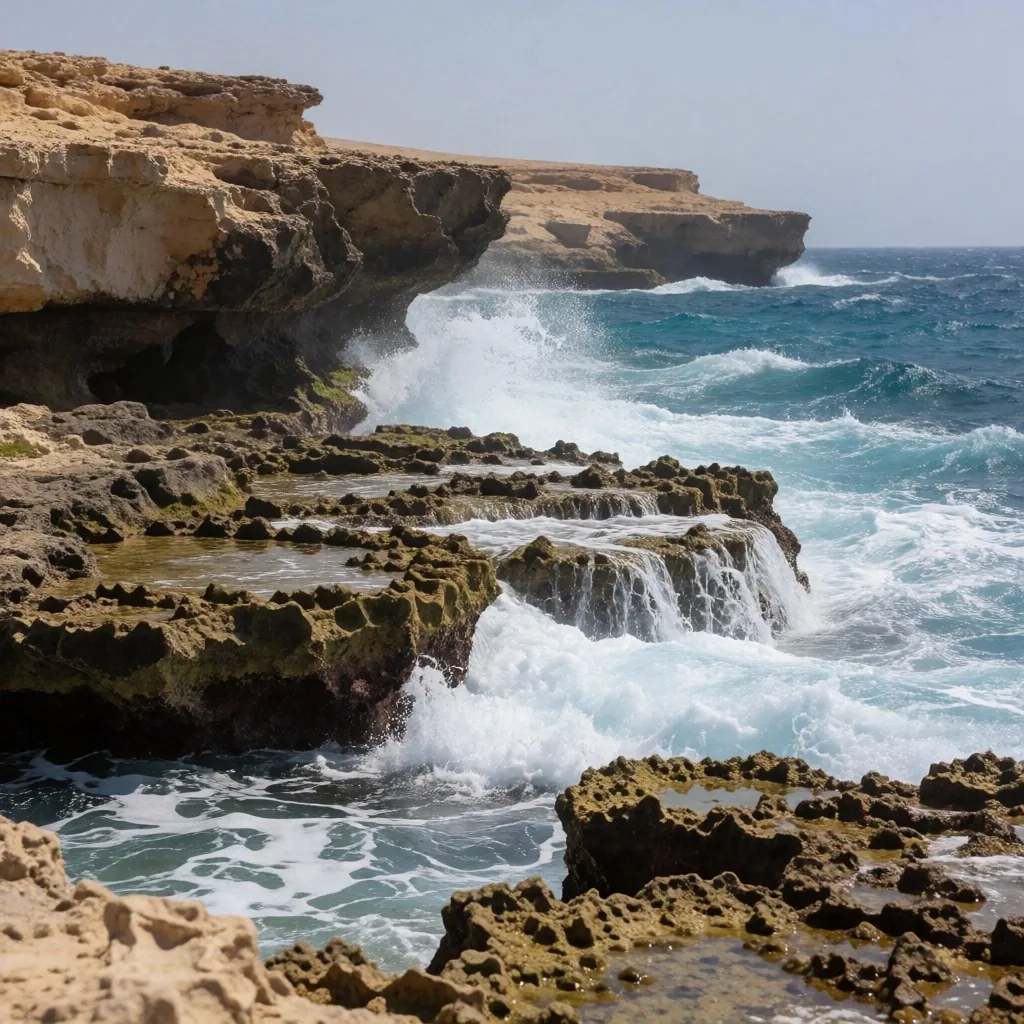
Fossilized coral platforms along the southern Red Sea, where the wind shapes both land and water.
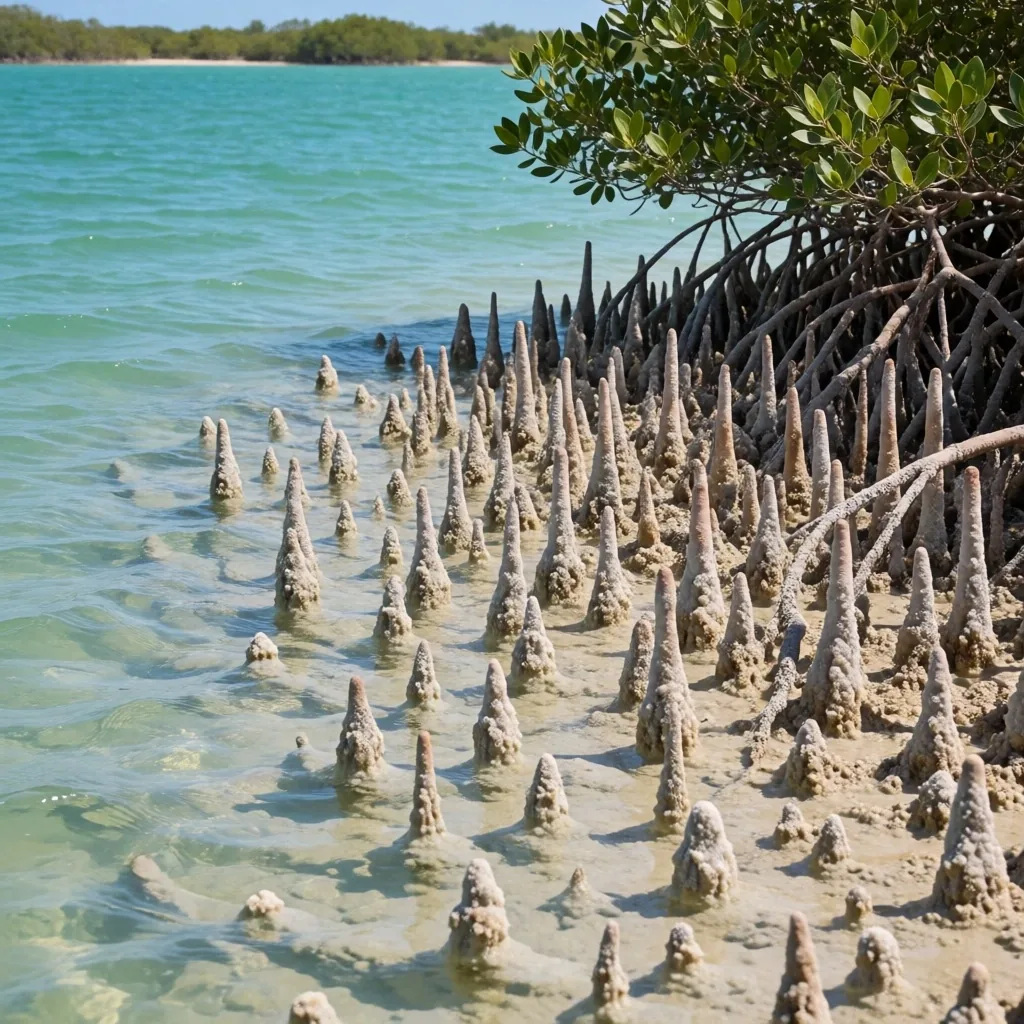
Mangrove Forests of the Coast
In certain areas along the Red Sea, you can find unique mangrove ecosystems. These salt-tolerant trees grow directly in the shallow coastal waters, their roots creating a complex network that protects the shoreline and provides a habitat for various marine species.
Walking near a mangrove forest offers a different perspective on the coast, as the dense greenery contrasts with the surrounding blue and brown. These are essential areas for coastal protection and offer a quiet, shaded environment for nature enthusiasts to explore.
The Serenity of Coastal Sunrises
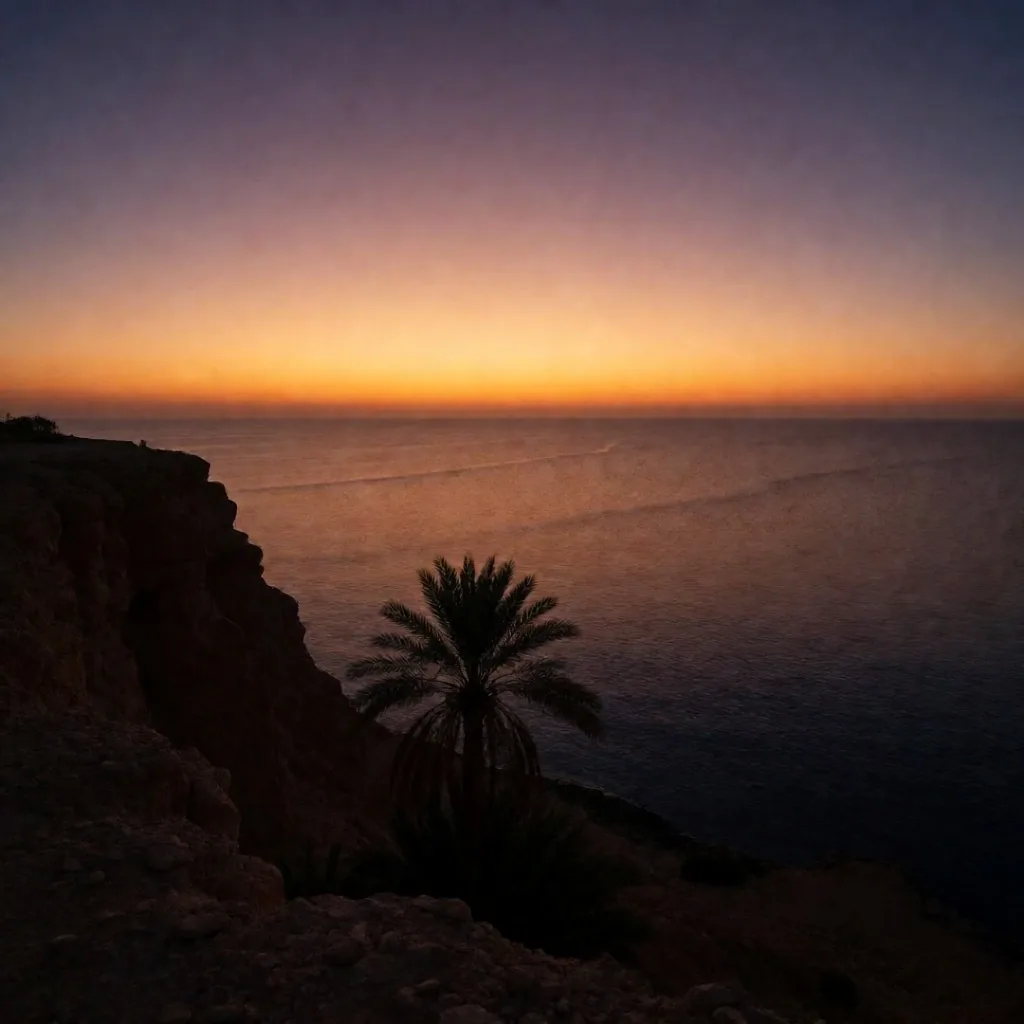
There is a specific quality to watching the sun rise over the eastern sea. As the light hits the water, the colors shift from deep purple to orange and finally to a brilliant blue. In the quiet of the early morning, the coast feels untouched and vast.
For the traveller into Egypt, this daily spectacle is a reminder of the natural rhythms that govern the land. We suggest finding a high point along the coastal cliffs to fully appreciate the scale of the horizon as the new day begins.
Coastal Flora and Fauna
Beyond the water, the shoreline is home to various hardy plants and animals. Sea birds like ospreys and gulls are common sights, often nesting in the rocky outcrops along the coast. The vegetation is sparse but specialized, with succulents and salt-scrub bushes dotting the dunes.
Sea Birds
Ospreys and gulls are common along the shoreline, often nesting in rocky outcrops. They hunt in the shallows and rest on exposed coral platforms during low tide.
Observe from a distance — nesting birds are sensitive to foot trafficSucculents
Salt-tolerant succulents dot the dunes just above the high-tide mark. Their fleshy leaves store moisture through the dry months, allowing them to survive where almost nothing else can take root.
Look for shallow root networks anchoring loose sandSalt-Scrub
Low, hardy bushes cling to the transition zone between beach and desert. They trap windblown sand and slowly build small dunes, creating micro-environments for insects and small lizards.
These plants are the first line of dune stabilizationObserving how these species survive in a high-salt, low-water environment is a fascinating part of coastal exploration. These travel guides help you identify the subtle signs of life that exist just above the high-tide mark.
Natural Harbors and Inlets
Egypt's coast is dotted with natural bays known locally as "marsas." These protected inlets have historically served as shelters for small boats and are now some of the most beautiful natural features of the shoreline.
The water in these bays is often a different shade of turquoise than the open sea, reflecting the shallower sandy bottoms. Exploring these inlets on foot allows you to see the geological transition from the inland desert to the marine environment, often revealing interesting shell deposits and tidal pools.
- Shell deposits. Tidal currents concentrate shells along the inner edge of the bay, creating pale bands along the sand.
- Tidal pools. Small depressions in the coral platform trap water at low tide, revealing small fish, crabs, and anemones.
- Color shift. The shallow sandy bottom turns the water a distinct turquoise, visibly different from the deep blue of the open sea just beyond the reef edge.
- Geological transition. Walking inland from the bay, you can trace the shift from marine sediment to desert rock in a short distance.
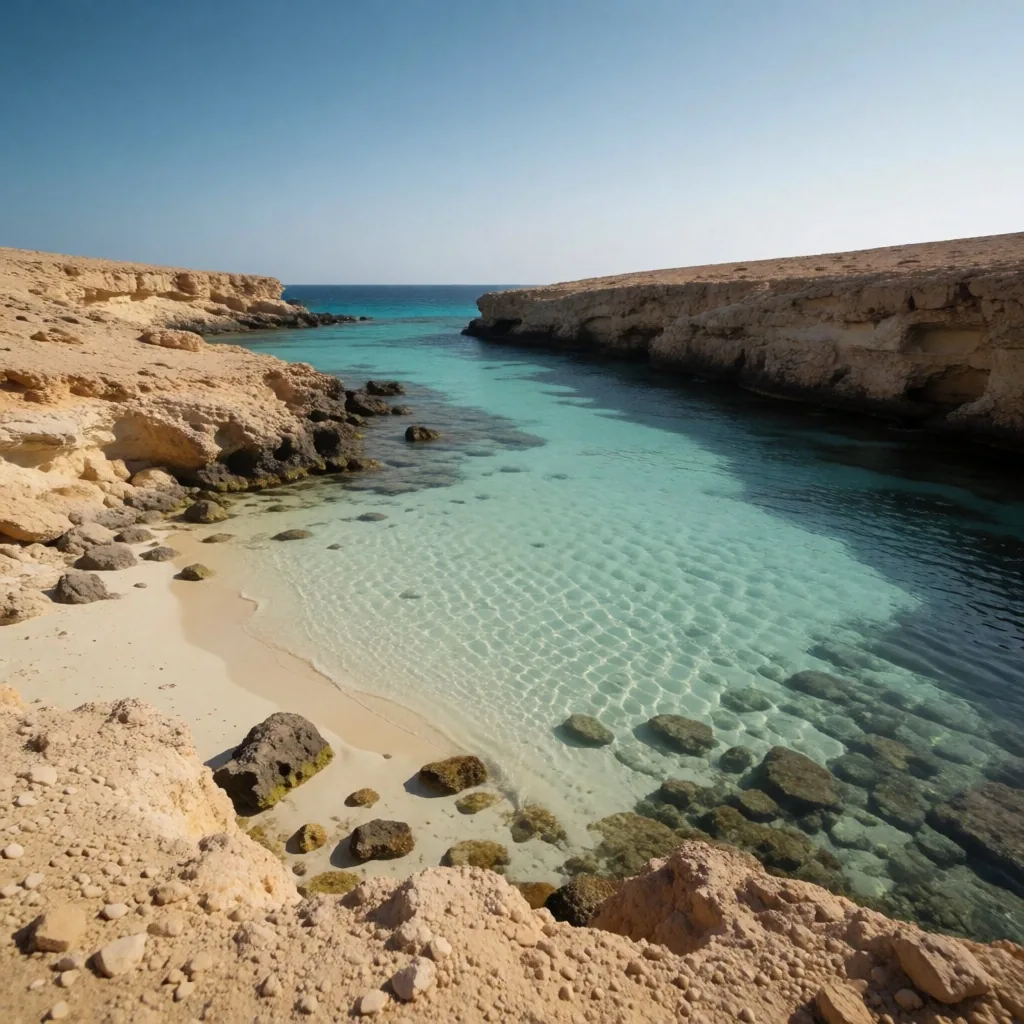
A sheltered marsa where the water shifts from deep blue to pale turquoise over the sandy shallows.
The Influence of the Tides
While the Red Sea has a relatively small tidal range, the movement of the water still dictates the accessibility of certain coastal features.
At low tide, coral flats and sandbars are exposed, revealing hidden details of the seabed. This is the best time to walk the reef edge and observe the structures that normally sit below the surface. Small tidal pools trap water and marine life, offering close-up views of fish, urchins, and anemones that you would otherwise need to swim to see.
At high tide, the water pushes up against the desert rocks, creating a sense of containment. The reef edge becomes submerged, and marine life congregates in the shallows to feed. This is when the coastline feels most enclosed, the sea claiming the boundary between land and water.
Understanding these cycles is important for safely navigating the shoreline and for finding the best times to observe the marine life that congregates in the shallows.
Nighttime by the Sea
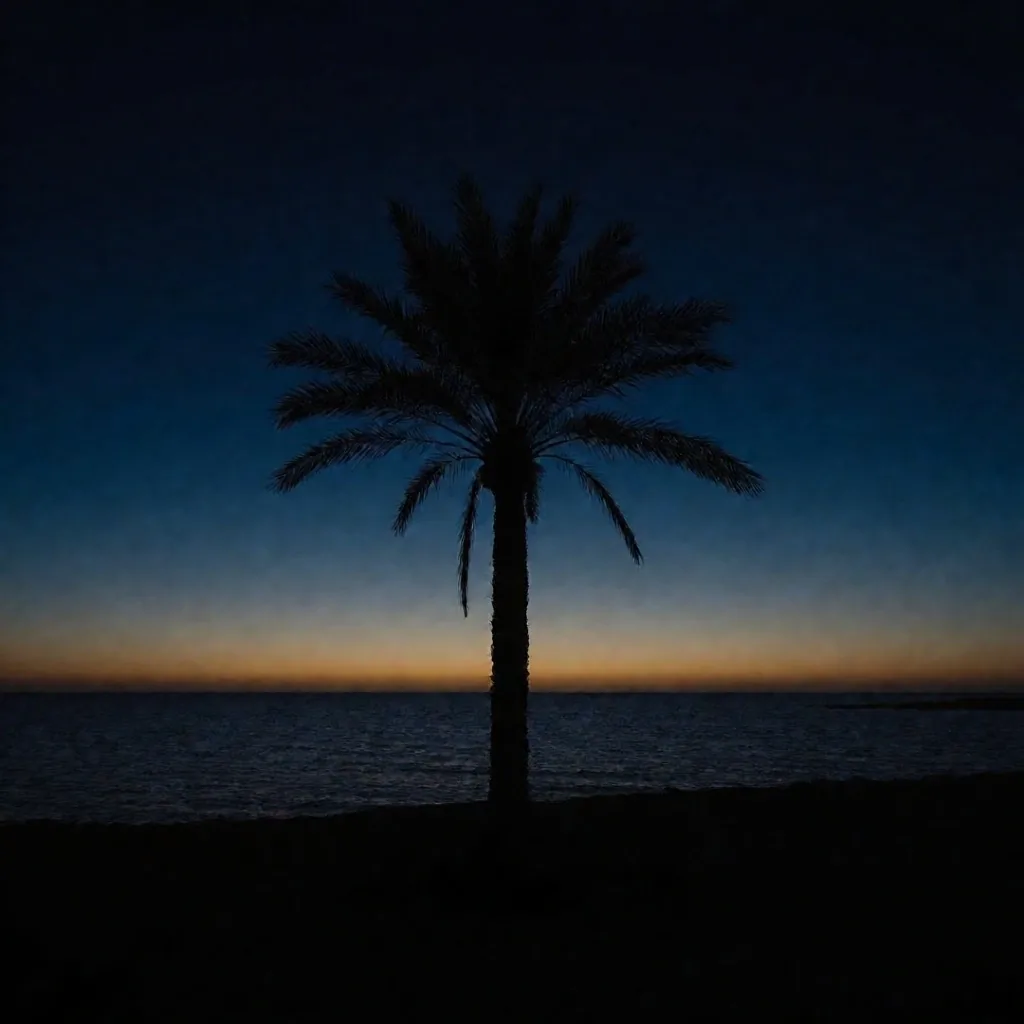
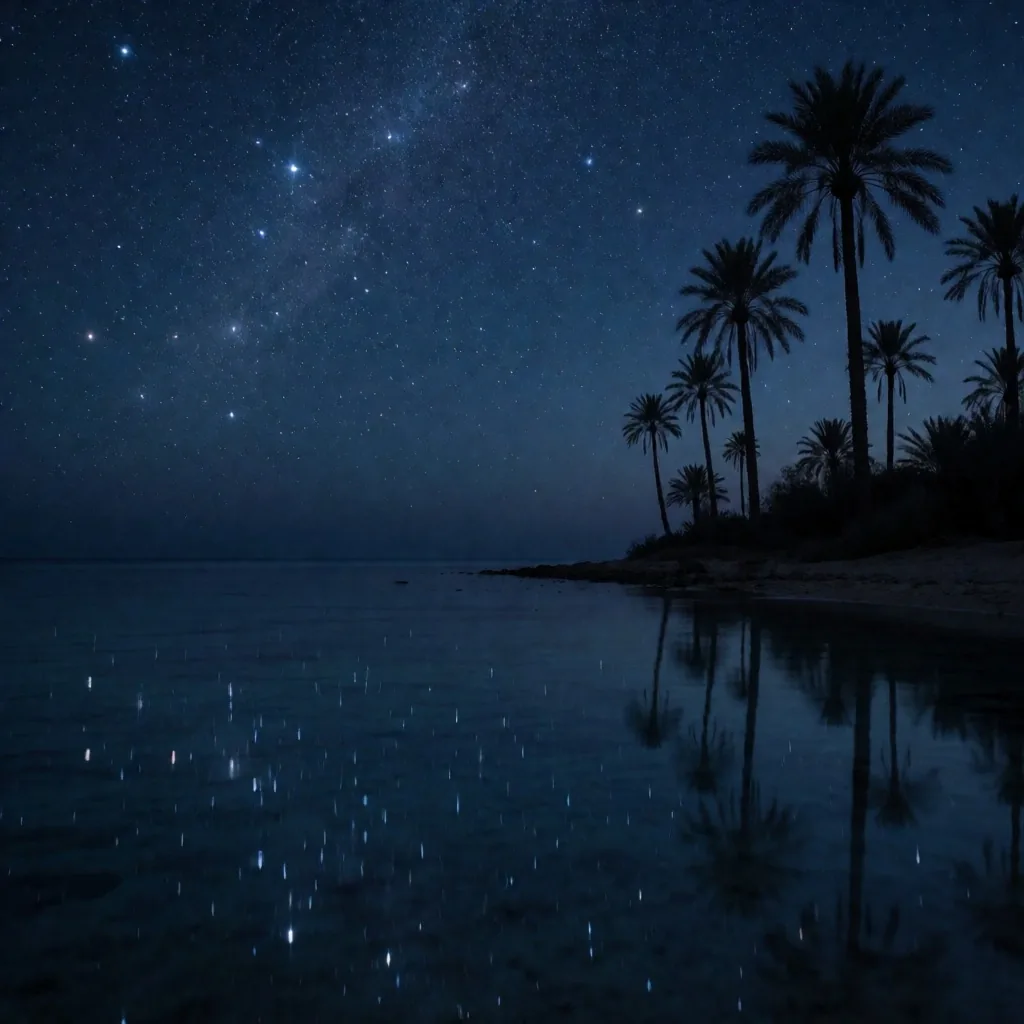
The coastal night is defined by the sound of the water and the coolness of the air. Away from the lights of the larger settlements, the sea reflects the stars, creating a double horizon. The humidity of the coast feels different from the dry desert night, providing a soft, encompassing atmosphere.
It is a time for stillness, where the vastness of the water meets the vastness of the sky. Our egypt travelling guides encourage taking the time to simply sit by the shore after dark to experience this unique coastal tranquility.
The coast changes completely after dark. If you have only visited during the day, you have seen half the picture. Bring a small light, find a safe spot above the waterline, and let your eyes adjust. The experience rewards patience.
Continue your journey along the Egyptian coast
These travel guides cover each region in detail, with practical notes on conditions, access, and what to expect at different times of day. Pick the area that matches your interest, or work through them in sequence.
Educational travel resource for visitors exploring the natural and coastal destinations of Egypt.
Bygatan 4A, 642 61 Malmköping
+20 2 2375 1589
[email protected]