Western Desert Series
Field Entry — Oasis Environments
Desert Oasis Guide
Green Havens in the Sand
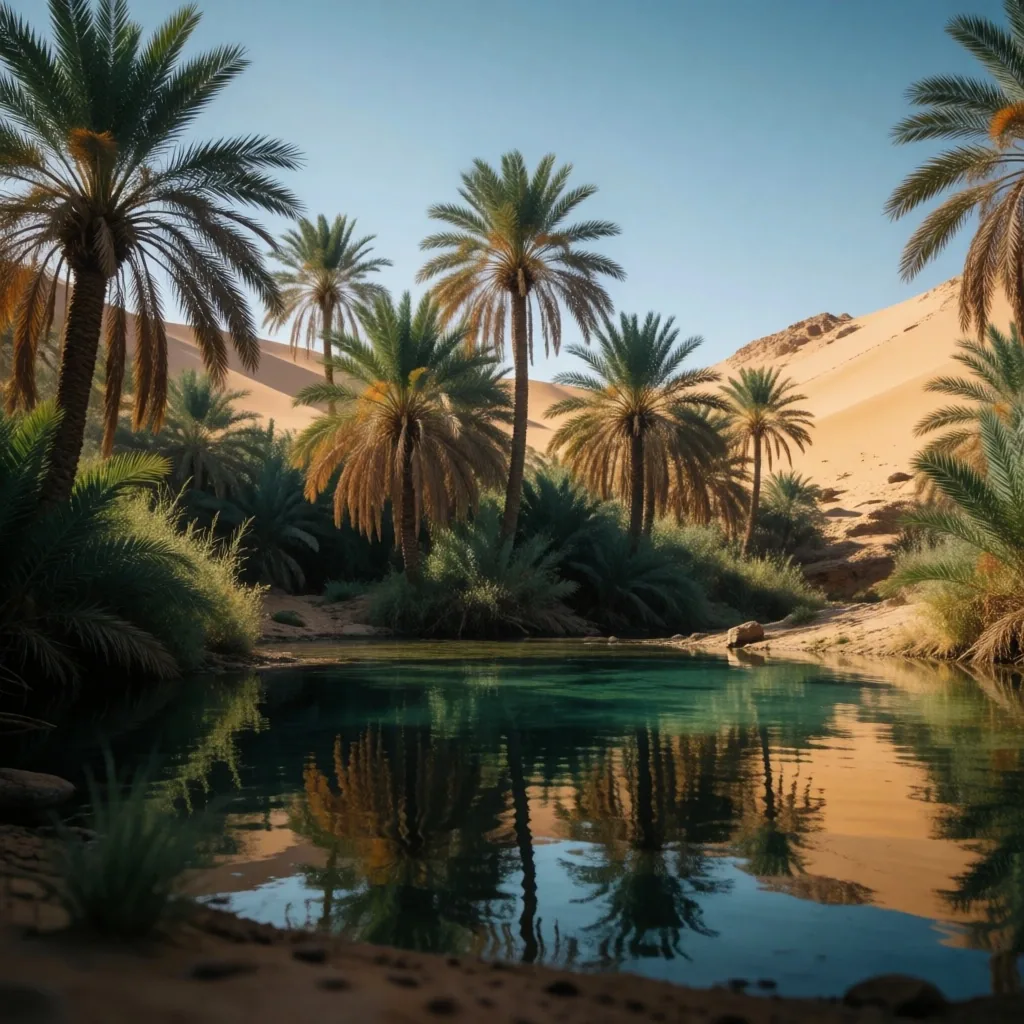
Beyond the fertile valley of the Nile lies the vast expanse of the Western Desert — a place of extreme aridity and striking geological formations. Within this wilderness, a series of oases serve as essential hubs of life, sustained by deep underground aquifers. For the traveller into Egypt, these green islands offer a profound contrast to the surrounding dunes.
Field Plate — Aquifer Spring
Chapter One
The Source of Life
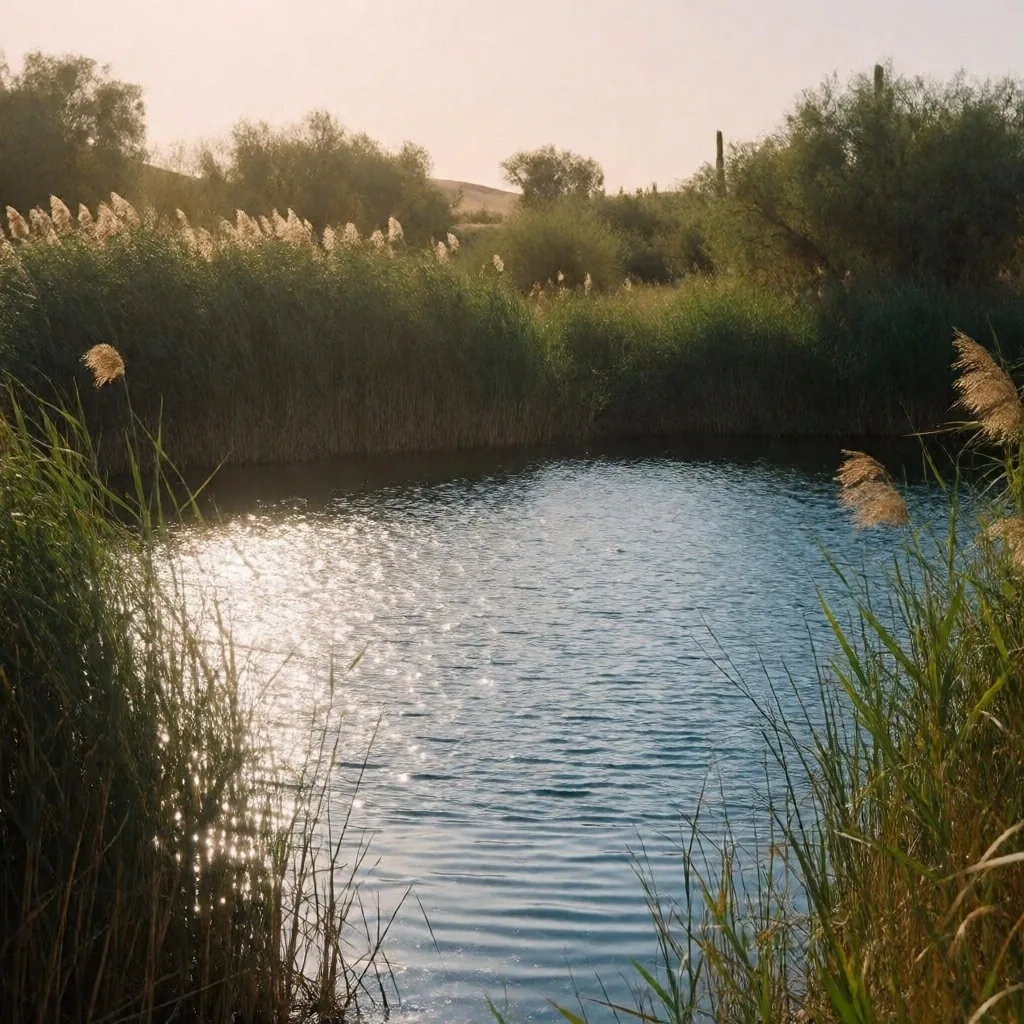
The existence of the oases is due to the Nubian Sandstone Aquifer System, one of the largest underground water reserves on the planet. This ancient water, trapped deep beneath the desert floor for millennia, rises to the surface through natural springs and man-made wells. The steady supply allows for the cultivation of palm trees, olives, and various fruits in the middle of the desert.
Understanding the flow and management of this water is central to understanding the oases themselves. Our egypt travelling guides explain how traditional irrigation systems — some dating back centuries — continue to sustain these communities. Channels carved into the earth distribute water by gravity, feeding garden plots in a carefully ordered rotation that reflects generations of accumulated knowledge about the land.
The aquifer is not infinite. Water tables have been falling in recent decades as extraction outpaces natural recharge, which happens on a geological timescale. Visitors who understand this context see the oases not as timeless postcards but as living systems dependent on careful stewardship.
Chapter Two
The Palm Groves
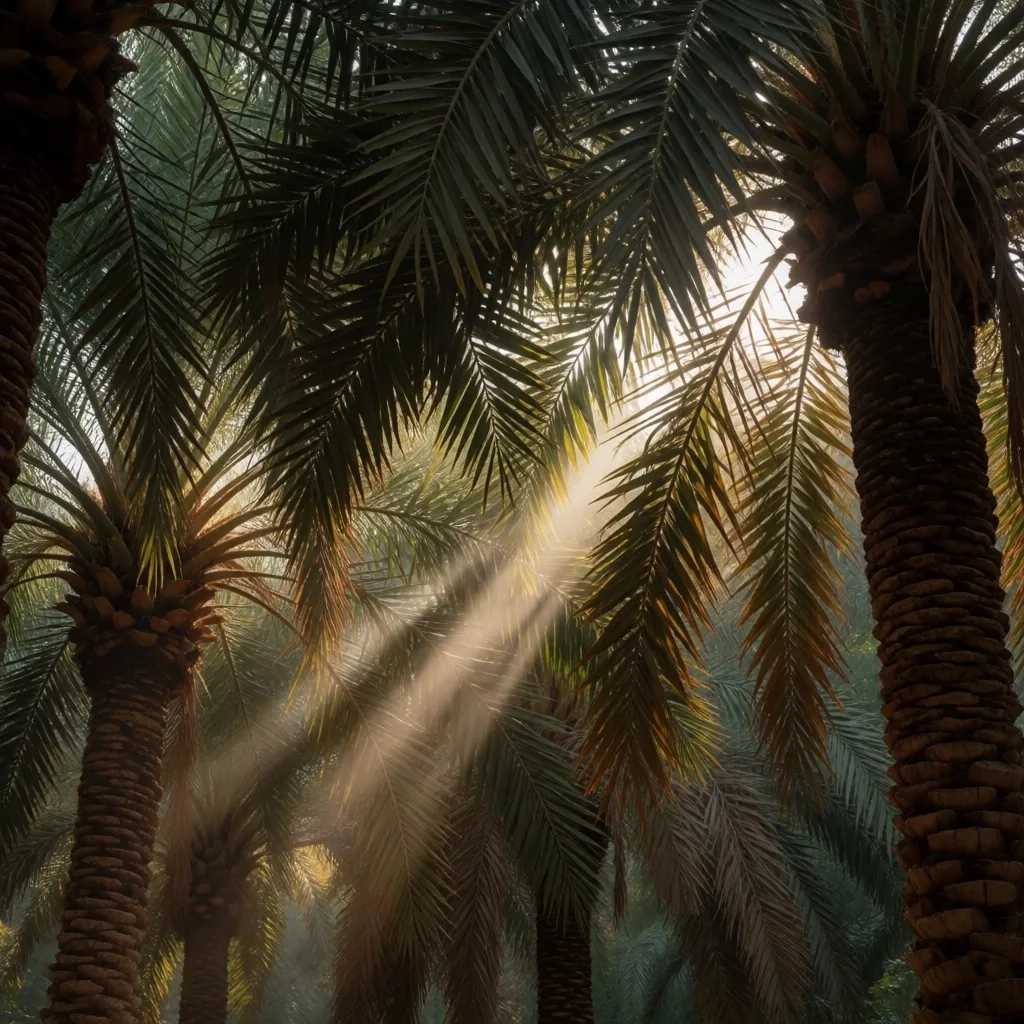
The most striking feature of any oasis is the dense forest of date palms. Thousands of trees create a thick canopy that blocks the sun and keeps the ground below cool and humid. Walking through these groves is a sensory experience — the sound of rustling leaves, the smell of damp earth — a sharp departure from the dry desert air just beyond the tree line.
These palms are not just for shade. They are a vital economic resource, producing high-quality dates that are prized across the region. The groves also provide a habitat for various birds and insects, creating a small-scale forest ecosystem in the middle of a wasteland. The understory often holds a second layer of cultivation: citrus, mango, and olive trees growing in the filtered light beneath the palms.
Chapters Three & Four
Salt Lakes, Springs, and the White Desert
Water Feature
Salt Lakes
Drainage water collects and evaporates in the desert heat, leaving behind white salt crusts that contrast sharply with green palms and yellow sand.
Water Feature
Mineral Springs
Natural hot and cold springs surface throughout the oases. Some carry high sulfur content; others are known for their refreshing clarity.
Geological Site
The White Desert
Near the Farafra Oasis, massive chalk formations carved by wind into mushrooms, birds, and waves glow under a full moon.
Conservation Note
Fragile Chalk
The chalk formations are easily damaged by careless movement. This is a protected area — stay on established tracks.
On the Lakes and Springs
Many oases feature large salt lakes where drainage water collects and evaporates. These lakes are often surrounded by white salt crusts and provide a striking visual contrast to the green palms and yellow sand. Natural hot and cold springs are common as well, offering visitors a chance to experience the mineral-rich waters of the aquifer firsthand. The chemistry of these springs varies — some are known for high sulfur content, others for their clarity.
On the White Desert
Near the Farafra Oasis lies a landscape that looks like it belongs on another planet. Massive chalk formations, carved by the wind into shapes resembling mushrooms, birds, and waves, dot the landscape. At night under a full moon, the white stone glows, creating a surreal and beautiful environment. This is a protected area and a highlight for any traveller into Egypt who appreciates unique geology. Exploring it requires respect for the fragile chalk, which can easily be damaged.
Chapter Five
The Architecture of Isolation
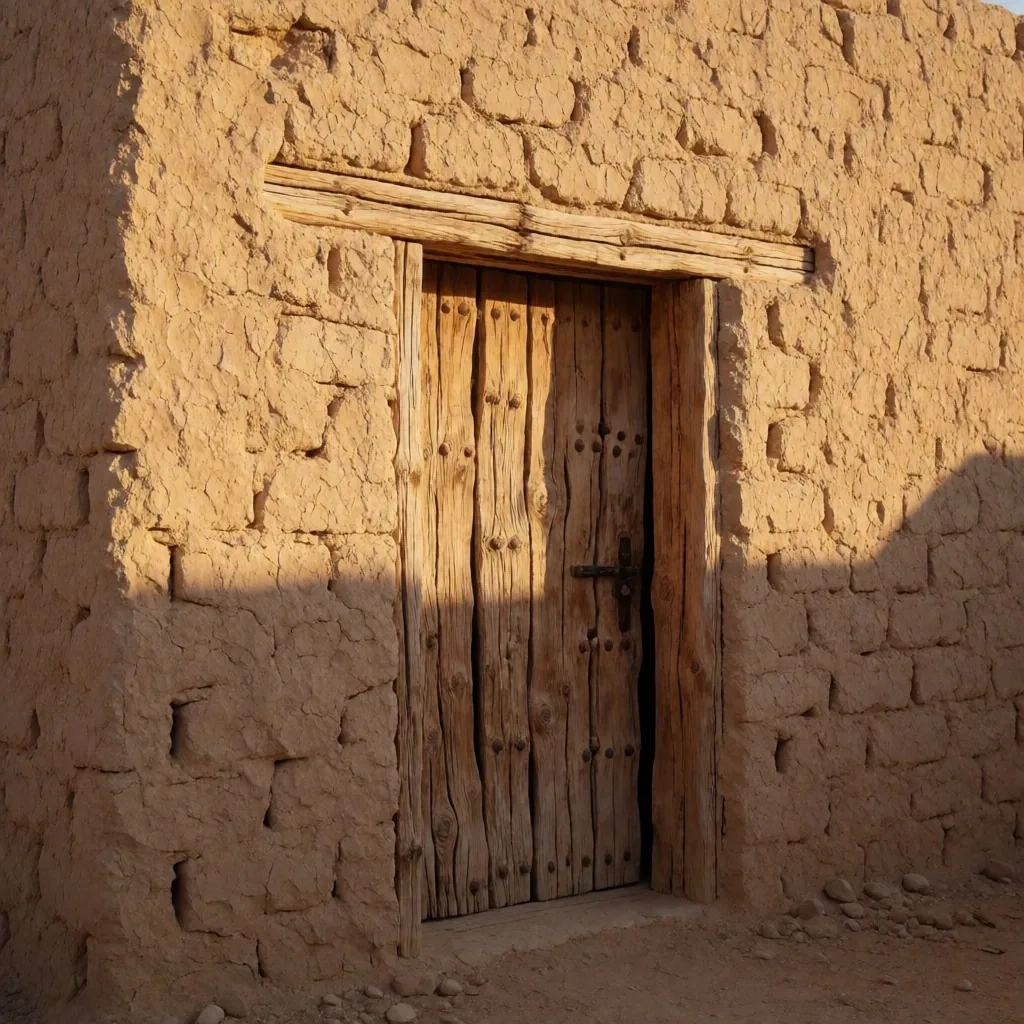
The oases have developed a distinct style of architecture using local materials like mud-brick and palm wood. These thick-walled buildings are designed to keep the interior cool during the hot days and warm during the cold desert nights, when temperatures can drop sharply after sunset.
In places like Siwa, a special material called kershef — a mixture of salt, mud, and clay — is used, giving the buildings a unique texture and color that blends into the surrounding earth. This traditional construction is perfectly adapted to the environment, showing how human settlement can harmonize with the natural constraints of the desert.
The walls are often a meter thick or more, storing coolness through the day and releasing warmth at night. Narrow streets between buildings create permanent shade, and small windows limit the sun's entry. These are not aesthetic choices alone — they are engineering responses to a climate where the temperature swing between noon and midnight can exceed thirty degrees.
Field Plate — Kershef Wall Construction
Chapter Six
Desert Flora and Fauna
While the desert may look empty, it is home to a variety of specialized plants and animals. Fennec foxes, gazelles, and various reptiles have adapted to the lack of water and extreme temperatures. Plants outside the oases are equally hardy, with deep roots and small leaves to minimize evaporation. Our travel guides help you spot the subtle signs of desert life — from tracks in the sand to the hardy shrubs that cling to the leeward side of dunes.
What to Look For
- Fennec fox tracks — small, narrow prints in smooth sand near dawn
- Acacia and tamarisk trees — deep-rooted, growing in dry wadis
- Desert lizards basking on rocks during the cooler morning hours
- Dorcas gazelles — wary, usually at a distance near sparse vegetation
Field Conduct
- Do not feed or approach wildlife — observe from a distance
- Stay on established tracks to avoid damaging fragile root systems
- Keep noise low near water sources — animals gather there at dusk
- Carry out everything you bring in, including organic waste
Chapter Seven
The Silences of the Sahara
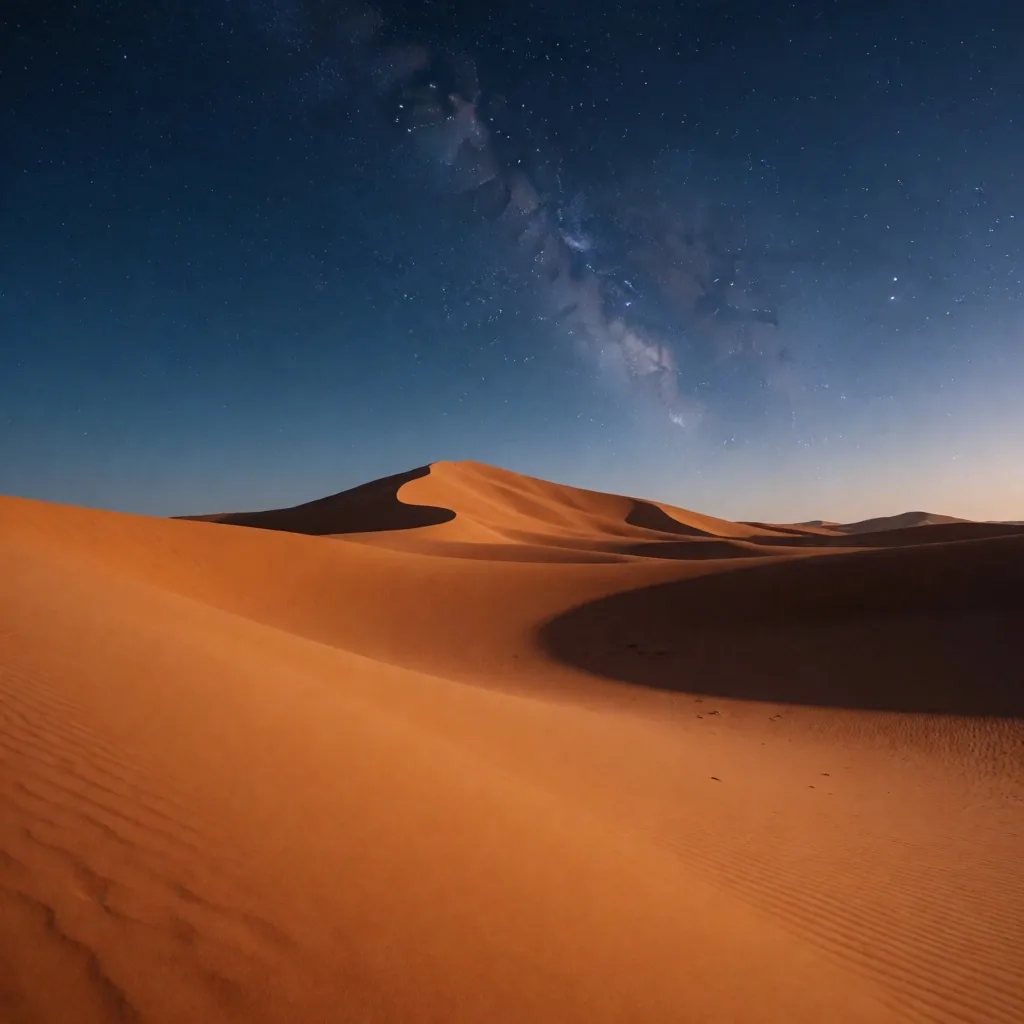
One of the most powerful experiences in the desert is the absolute silence. Far from the oases, where the wind dies down, the lack of sound can be overwhelming. This quiet provides a space for reflection and a deep connection with the natural world. For the traveller into Egypt, spending a night in the open desert is a chance to experience the scale of the landscape and the brilliance of the stars without any modern distractions.
We provide advice on how to enjoy these remote areas safely and respectfully — including what to carry, how to prepare for the sudden temperature drop after sunset, and why you should never venture into the deep desert without a local guide who knows the terrain.
Chapter Eight
Moving Between Oases
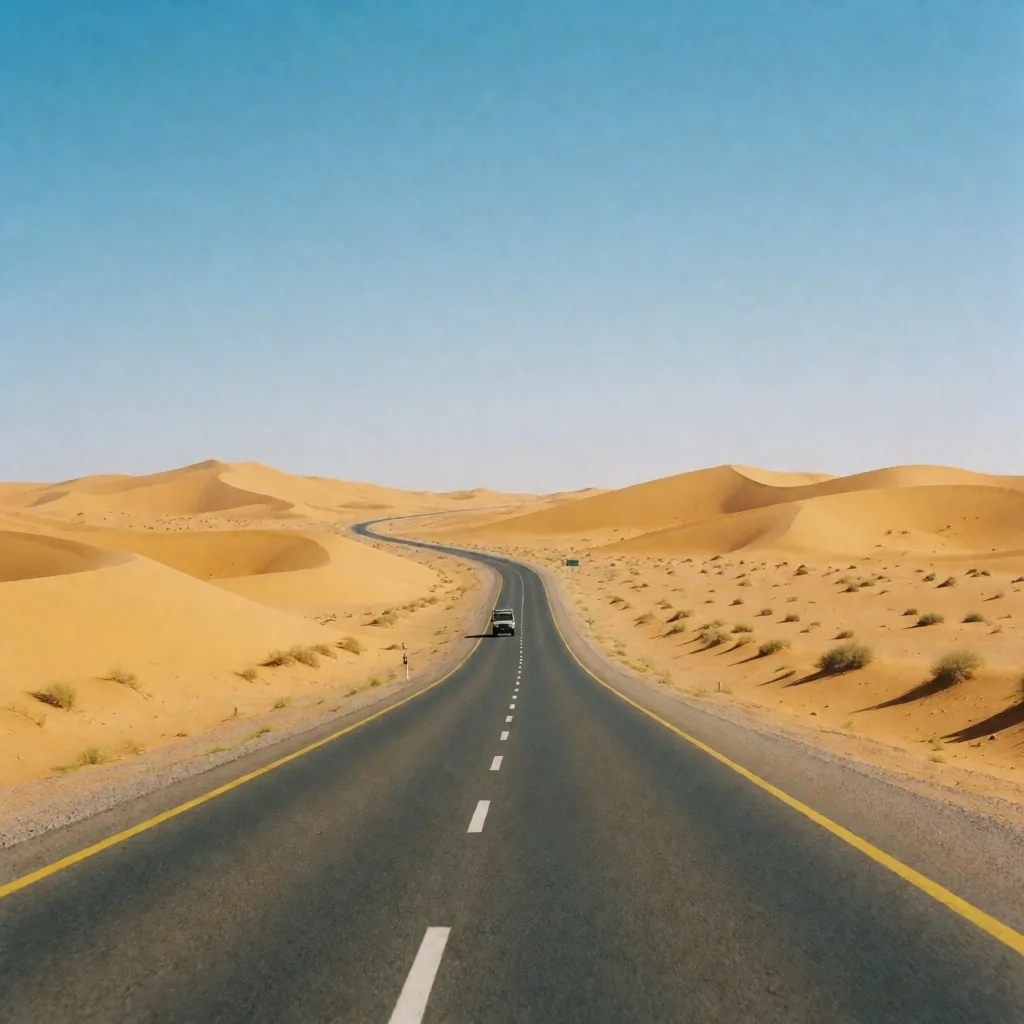
The distances between the oases are vast, requiring careful planning and reliable transportation. The roads cut through various types of desert — from flat gravel plains to towering sand dunes. The changing colors of the sand, ranging from pale yellow to deep orange and even black, indicate the varying mineral content of the soil.
Traveling between these green hubs allows you to appreciate the sheer scale of the Western Desert and the vital role the oases play as waypoints in the wilderness. Carry extra water beyond what you think you will need, confirm your fuel range against the distance to the next station, and let someone at your departure point know your route and expected arrival time.
Route Planning Checklist
- Confirm fuel stations along your route — some are spaced far apart
- Carry a minimum of four liters of water per person per travel day
- Download offline maps — cell signal disappears for long stretches
- Travel during daylight hours; avoid driving after sunset
- For remote sections, hire a local guide with desert navigation experience
Chapter Nine
Local Traditions and Culture
The inhabitants of the oases have developed unique cultures shaped by their isolation and environment. In Siwa, the local population speaks a Berber language and maintains traditions distinct from those in the Nile Valley. The oases are known for their hospitality and their deep knowledge of the desert.
Our egypt travelling guides touch upon the importance of respecting these local customs, which are deeply intertwined with the management of natural resources like water and land. Ask permission before photographing people or private homes, dress modestly when visiting settlements, and accept hospitality when it is offered — refusing tea or a meal can cause genuine offence.
Chapter Ten
Conservation in the Arid Interior
The oases are fragile ecosystems that face threats from falling water tables and encroaching sand dunes. Modern challenges like climate change and increased water demand require new approaches to conservation. Various projects aim to improve water efficiency and protect the unique biodiversity of these areas.
By visiting with an awareness of these issues, travellers can support a more sustainable future for the oases. We highlight the natural beauty that these conservation efforts seek to preserve — and we encourage visitors to ask local hosts about the specific challenges their community faces, rather than assuming the answers are the same everywhere.
Field Notes
Common Questions from the Interior
Question One
When is the best time to visit the oases?
October through March offers the most manageable temperatures. Daytime highs range from warm to mild, and nights can be genuinely cold — bring layers. Summer temperatures in the interior regularly exceed forty-five degrees, and travel during that period is not advisable without specific reason and experienced support.
Question Two
Can I drink from the natural springs?
Some springs are safe for bathing but not for drinking. Mineral content — particularly sulfur and dissolved salts — varies widely between sources. Always carry sealed bottled or filtered water for drinking, and ask locally before entering any spring to check whether it is open to visitors and whether the water is suitable for skin contact.
Question Three
Do I need a guide for the White Desert?
Yes. The White Desert is a protected area, and entry requires an official guide with a registered vehicle. Independent driving is not permitted within the reserve. Guides know the routes between formations, the best campsites, and the regulations that keep the chalk structures intact for future visitors.
Question Four
How cold does the desert get at night?
In winter months, nighttime temperatures in the open desert can drop close to freezing, even after a warm day. The dry air holds very little heat once the sun sets. A warm jacket, a proper sleeping bag rated for low temperatures, and a hat are essential gear for any overnight stay between October and March.
Question Five
Are the oases accessible by public transport?
Bus services connect the major oases to Cairo and to each other, though schedules are limited and journeys are long. For the more remote springs and geological sites, a hired vehicle or an organized tour is the practical option. Our travel guides provide current route information in the resources section.
Continue the Survey
Explore Further Inland
These oasis travel guides are part of a broader field series covering the natural landscapes of Egypt. Continue to the nature exploration section for detailed route notes, or visit the resources page for printable maps and packing lists prepared for the interior.
Discovery Egypt
Educational travel resource providing guides and location insights for visitors exploring natural and coastal destinations in Egypt.
Related Guides