 Discovery Egypt · Planning Guide
Entry 06 / 11
Discovery Egypt · Planning Guide
Entry 06 / 11
Planning Your Stay
Practical travel guides for the traveller into Egypt — climate prep, regional logistics, and cultural etiquette for coastal retreats and desert oases alike.
Logistical Advice for EgyptPreparing for a journey into the natural landscapes of Egypt requires more than just packing a suitcase.
The climate, the distances, and the local customs all play a role in shaping your experience. Whether you are planning to explore the coastal retreats or the deep desert oases, these travel guides provide the practical information you need to move safely and comfortably. Our focus is on helping the traveller into Egypt navigate the logistical challenges of a diverse and sometimes intense environment. By planning ahead, you can focus on the beauty of the landscape rather than the stresses of travel.
Understanding the Seasons
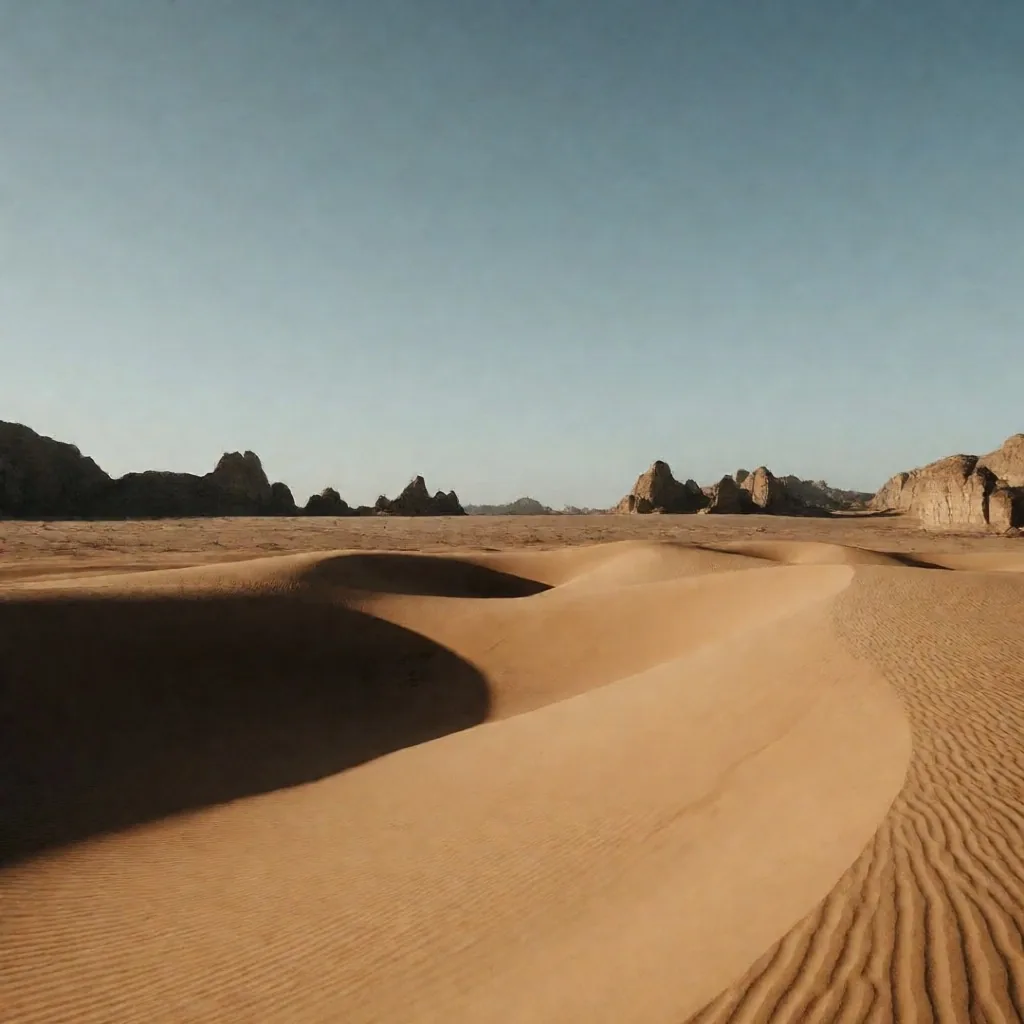
Egypt has two main seasons: a mild winter from November to April and a hot summer from May to October. The best time for nature exploration depends on your destination. The desert oases are most pleasant in the winter, while the coastal areas offer a cooling breeze that makes the summer heat more tolerable.
We break down the temperature ranges for different regions to help you decide when to visit. Being aware of the seasonal shifts is the first step in successful stay planning. A winter trip to the Western Desert can mean comfortable days under 25°C and chilly nights that drop well below 10°C. The same weeks on the Red Sea coast stay warmer, with steady sea breezes that take the edge off the afternoon sun.
Quick reference: Winter suits the oases and inland desert tracks. Summer is manageable on the coast but demands early-morning and late-afternoon activity inland.
Packing for the Climate
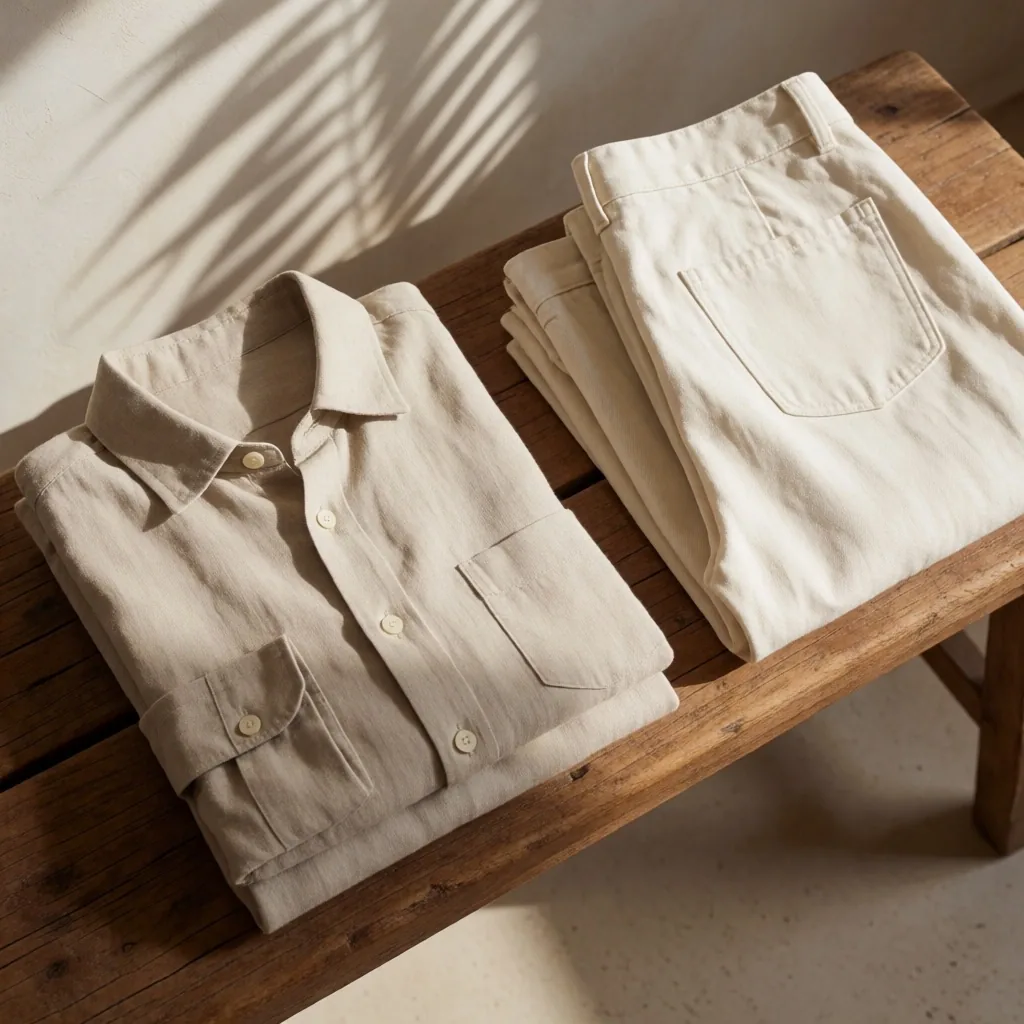
Breathable, light-colored clothing made of natural fibers like cotton or linen is essential for the Egyptian heat. Even in the summer, long sleeves and pants provide protection from the sun. In the winter, and especially in the desert at night, temperatures can drop significantly, so layering is key.
A sturdy pair of walking shoes is necessary for exploring rocky paths or sandy dunes. Our egypt travelling guides provide a checklist of essential items, focusing on functionality rather than fashion.
- Cotton or linen shirts, long-sleeved
- Lightweight trousers and a warm mid-layer
- Sturdy closed-toe walking shoes
- Wide-brim hat and high-SPF protection
- Sunglasses with UV protection
- Reusable water bottle, insulated
Navigating Distances
Egypt is a large country, and the natural sites are often far apart. The most efficient way to travel between regions is a combination of domestic flights, trains, and private road transport. The train system along the Nile valley is reliable and offers a great view of the landscape.
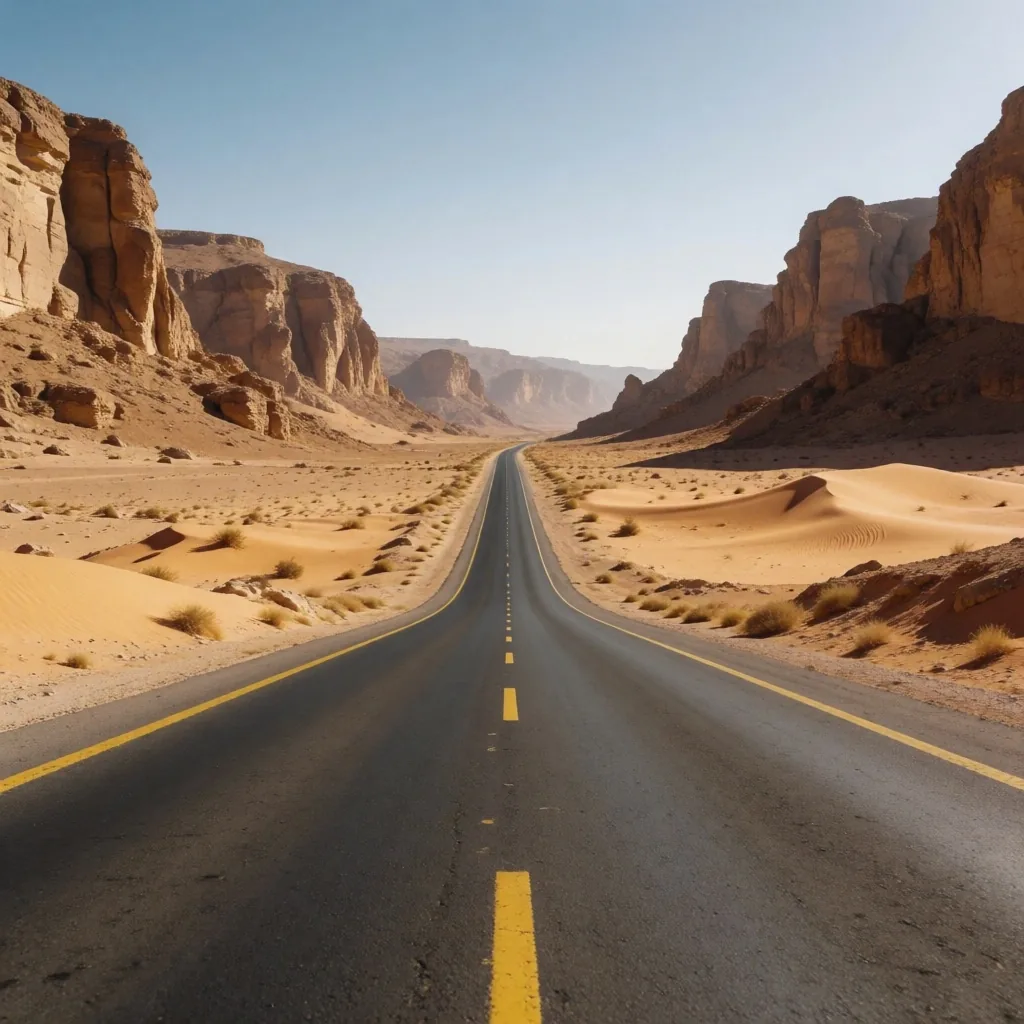
For reaching the oases or the Red Sea coast, road travel is often necessary. We provide advice on estimating travel times and choosing the best mode of transport for your itinerary, ensuring you spend less time in transit and more time in nature.
Health, Hydration & Customs
Two practical concerns that shape every day on the ground in Egypt — what you carry and how you carry yourself among local communities.
Staying Hydrated
The dry heat of the desert can lead to dehydration very quickly. Carry plenty of water and drink regularly, even if you do not feel thirsty.
Water Sources
Be cautious with local water sources and stick to bottled or filtered water throughout your journey to avoid stomach upsets.
Dress Modestly
Egypt is a conservative country. Dressing modestly is a sign of respect, especially when visiting rural areas or oasis communities.
Learn Arabic Phrases
A few basic Arabic phrases go a long way in facilitating positive interactions with local communities along your route.
Sun protection completes the kit. Hats, sunglasses, and high-SPF protection are equally important. Respecting the culture is as important as respecting the environment.
Managing Your Budget
Travel costs in Egypt can vary widely depending on your style of travel. While we do not provide specific amounts, we offer general advice on how to manage your expenses. This includes understanding the local tipping culture, known as "baksheesh," and knowing when to negotiate for services.
By being aware of these common practices, you can avoid surprises and ensure your funds last for your entire journey. Our egypt travelling guides focus on providing a realistic picture of the travel landscape rather than optimistic estimates.
Small tips for everyday help — porters, drivers, restroom attendants. Carry low-denomination notes so you are not caught short.
Markets and informal transport often expect a polite back-and-forth. Agree on fares before you set off, not after.
Safety and Security
Egypt is generally a safe destination for travelers, but it is always wise to stay informed. We recommend checking your government's travel advisories and staying aware of local news before heading into remote areas.
When exploring remote areas, it is often best to hire a local guide who knows the terrain and the local conditions. We provide tips on staying safe in the desert and by the sea, highlighting the natural risks and how to avoid them.
- Check official travel advisories before departure
- Share your itinerary with someone you trust
- Carry a charged phone and a physical map backup
- Rest during the hottest midday hours
Connecting with Local Guides
In many of the natural areas we cover, the expertise of a local guide is invaluable. They can provide insights into the flora, fauna, and geology that you might otherwise miss. They also ensure you stay on the right path and help you navigate local logistics.
We explain how to find reputable guides and what to expect from their services. Relying on local knowledge is one of the best ways to deepen your connection with the Egyptian landscape.
Ask About Local GuidesFrequently Asked Questions
What is the best way to get around the desert?
For the Western Desert, a 4x4 vehicle with an experienced local driver is the safest and most effective way to navigate the sand and rocky tracks. Self-driving in deep desert terrain is not recommended without prior experience and proper equipment.
Is it safe to drink the tap water?
In most areas, it is recommended to stick to bottled or filtered water to avoid any stomach upsets. This applies to brushing teeth as well. Sealed bottles are widely available at roadside stops and in towns along the major routes.
What should I wear in the oases?
Modest clothing that covers the shoulders and knees is appropriate and respectful in the conservative oasis communities. Lightweight long trousers and loose shirts work well in the heat while observing local norms.
Do I need a guide for the White Desert?
Yes, hiring a local guide is strongly recommended for safety and to ensure you follow the regulations of the protected area. Independent travel in the White Desert is restricted, and a registered guide knows the routes, the camping spots, and the rules that keep the landscape intact.
More travel guides for the traveller into Egypt
Explore our regional guides for coastal retreats, desert oases, and Nile shores — or reach out with a specific question.