Local Customs
& Culture
A journey through Egypt's natural landscapes is also a journey through its living culture. The people who inhabit the oases, the Nile valley, and the coastal regions have developed traditions and social codes that are deeply rooted in their environment. For the traveller into Egypt, understanding and respecting these customs is essential for a meaningful and harmonious visit.
Hospitality is a core value
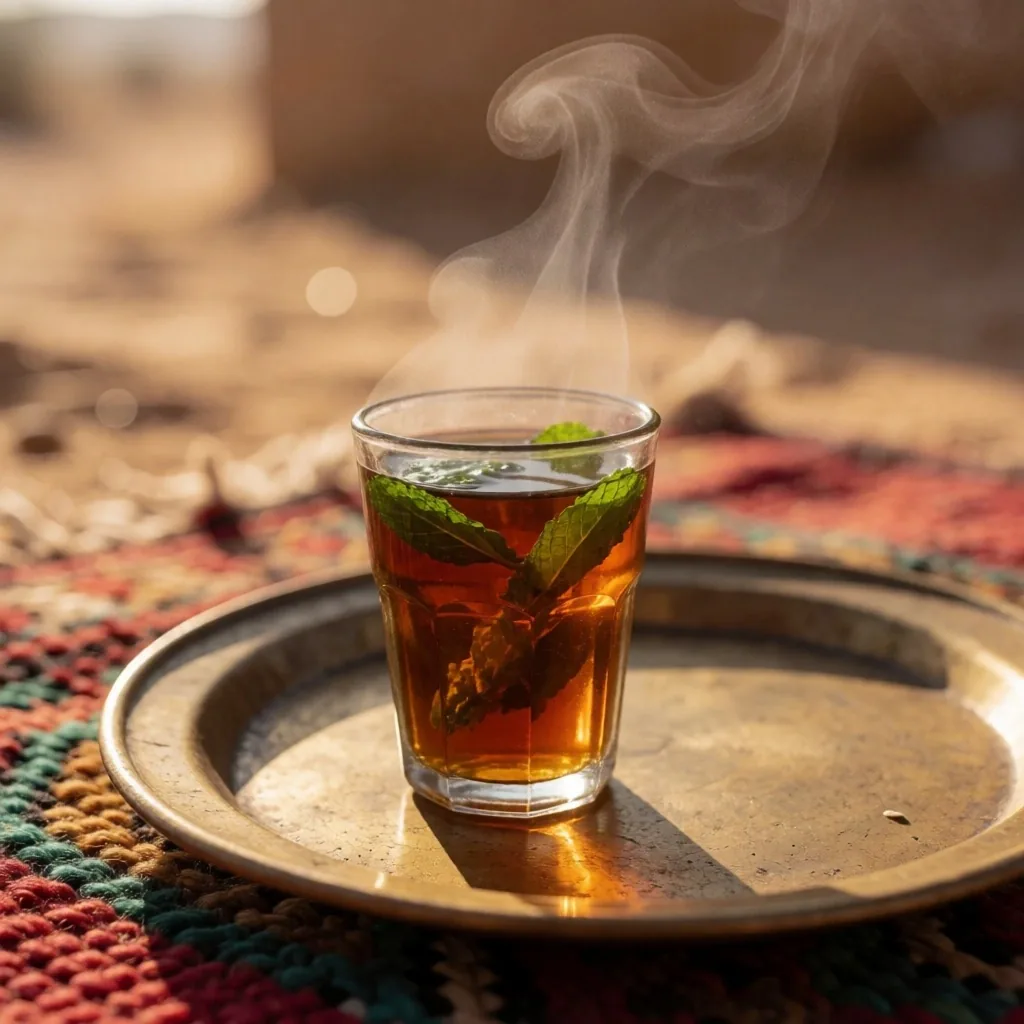
Hospitality sits at the center of Egyptian culture, especially in rural and desert areas. It is common for locals to offer tea or a meal to visitors, even those they have just met. Accepting these offers, even if only for a short time, is a way to build rapport and show respect. These travel guides explain the etiquette of these interactions, such as using your right hand for eating and drinking and offering a polite "shukran" when something is given to you. This warmth is a defining characteristic of the traveller into Egypt experience.
When you are invited to sit, accept the gesture gracefully. Refusing refreshments outright can read as distance rather than courtesy. A short stay, a shared glass of tea, and a few genuine questions about the household or the area often open doors that a rushed itinerary never will.
Dress with the climate and the community in mind
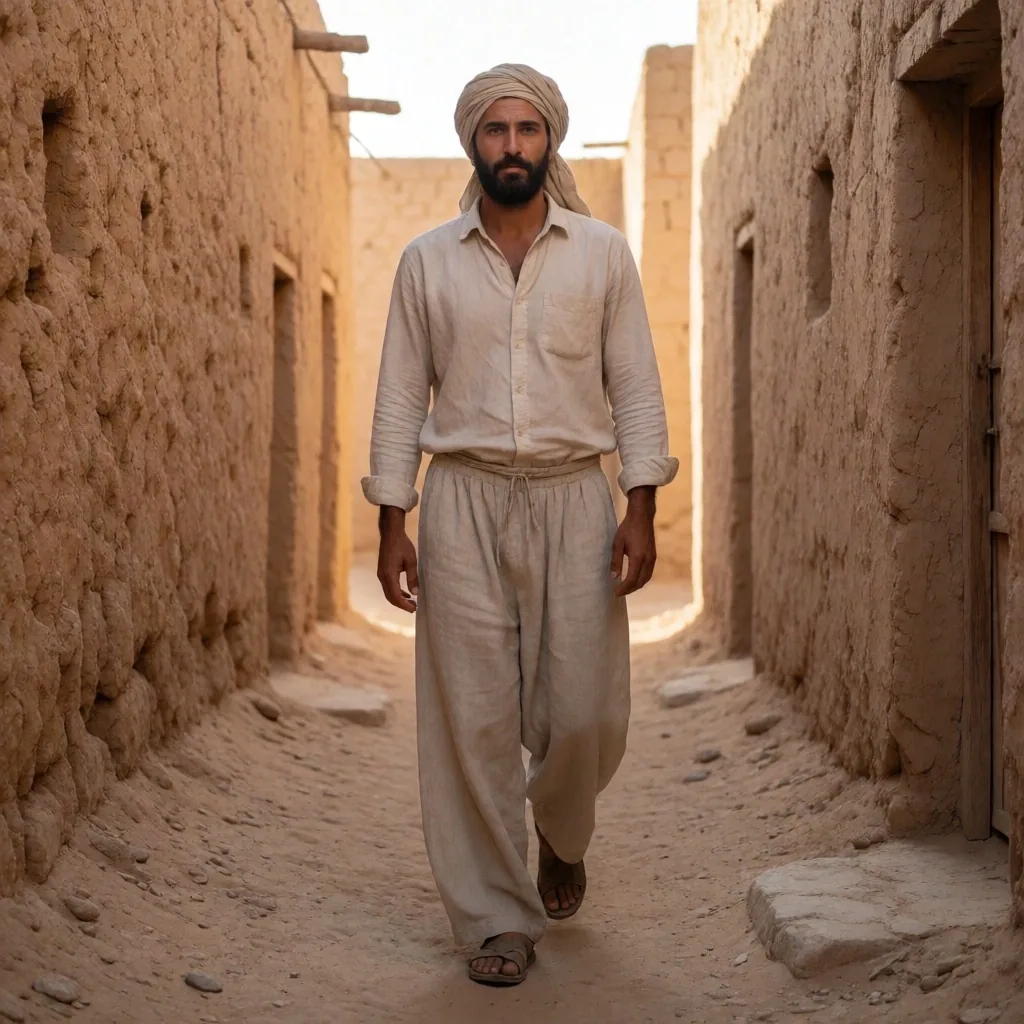
Egypt is a predominantly conservative society, and this is reflected in the way people dress and behave in public. In the oases and small villages, both men and women generally wear clothing that covers their shoulders and legs. As a visitor, following these norms is a sign of respect for the local culture. We provide practical advice on how to dress comfortably for the heat while still adhering to local standards of modesty.
Loose linen shirts, long cotton trousers, and a light scarf work well in most regions. Swimwear is appropriate at the coast and at designated swimming spots, but not when walking through a town or sitting in a roadside café. This sensitivity helps you blend in and avoids causing unintentional offense.
What to pack
- — Long-sleeve cotton shirts that breathe in the heat while covering the arms.
- — A scarf or shawl for entering homes, community spaces, and places of worship.
- — Sturdy sandals or walking shoes for uneven village paths and desert tracks.
- — One outfit set aside for coastal wear, kept to the beach rather than the street.
Centuries of local knowledge, still alive
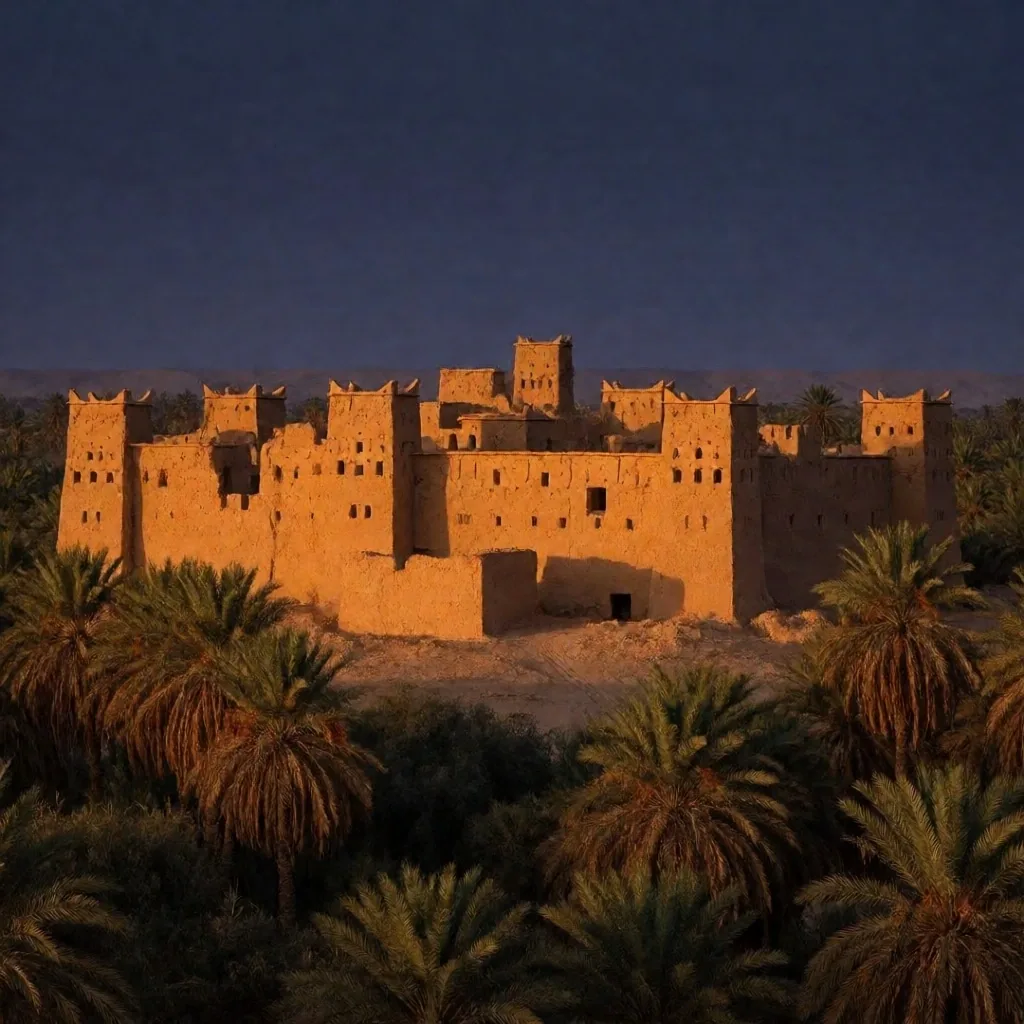
The desert oases have maintained their own unique traditions for centuries. In Siwa, for example, the local Siwi language and specific marriage customs are still very much alive. These traditions are often tied to the agricultural cycle and the management of water. Our egypt travelling guides explore these cultural nuances, helping you understand the history and significance behind the local way of life. Respecting these traditions means observing them without judging or interfering.
Water shapes the calendar here. The timing of planting, harvesting, and community gatherings follows the rhythm of springs and rainfall rather than the clock. When you visit an oasis, ask before entering groves or irrigation channels, and treat agricultural land as you would a private home.
The rhythm of daily life
Islam is the primary religion in Egypt, and its practices shape the rhythm of daily life. The call to prayer occurs five times a day, and Friday is the holy day, when many shops and businesses may close. During the month of Ramadan, many people fast from sunrise to sunset, which can affect the availability of services. We explain how these observances might impact your travel plans and how to show respect during religious holidays. Understanding the religious context is key to navigating the social landscape.
Daily Prayer
Five calls mark the day. Pause conversations when the call sounds, and avoid loud music near places of worship.
Friday
Many businesses close for midday prayer. Plan transport and supplies earlier in the week.
Ramadan
Fasting runs sunrise to sunset. Eat indoors or in designated areas, and join evening meals when invited.
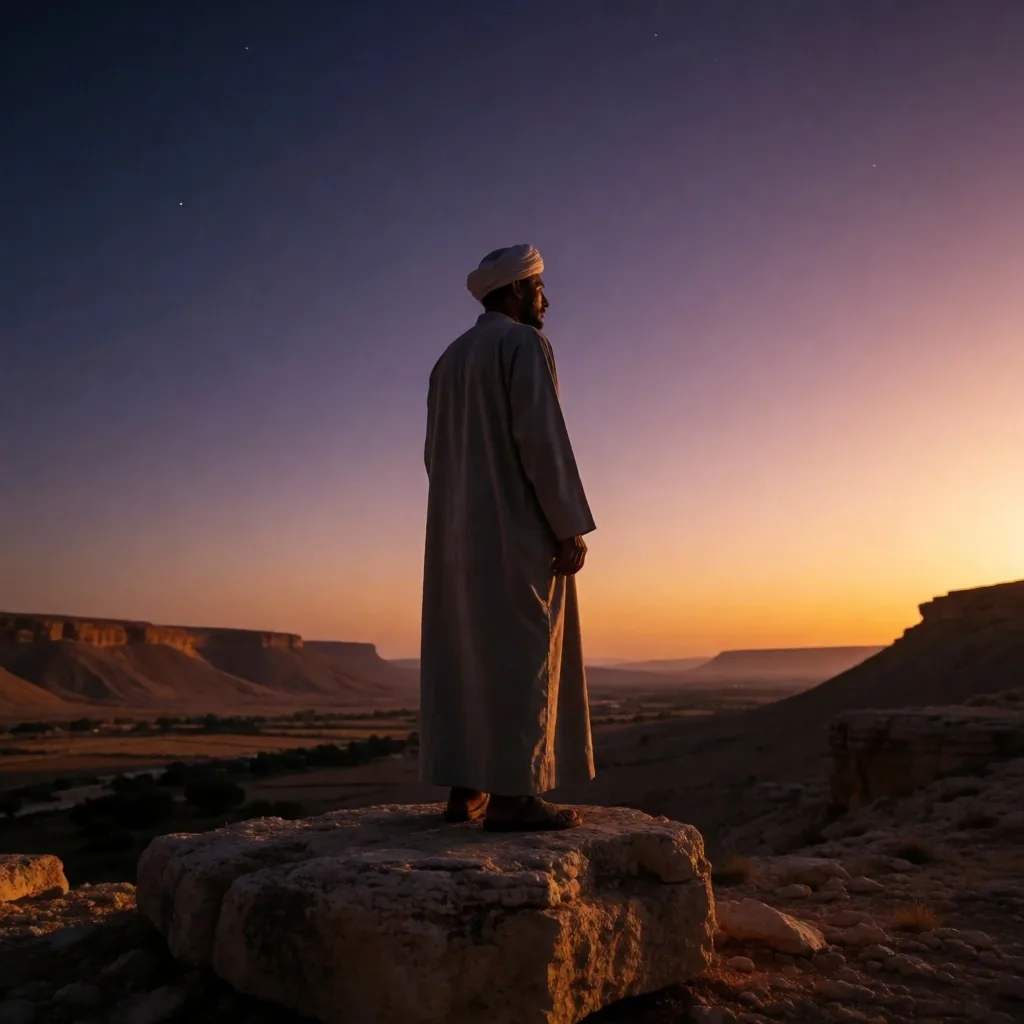
A social exchange, not just a tip
The concept of "baksheesh" is a central part of Egyptian life, encompassing everything from tipping for a service to a small gesture of charity. It is not just about the money, but about the social exchange. We provide guidance on when and how much to tip for common services like guiding, transport, and hospitality. By understanding the local expectations, you can navigate these interactions with confidence and avoid any awkwardness. It is a practical part of stay planning.
- — Guides: A small share of your daily total, given at the end of the day.
- — Drivers: A modest amount per day, rounded up with thanks.
- — Hospitality: Loose change for tea or a helpful hand goes a long way.
- — Charity: Small notes offered during festivals support those in need.
The land is home and livelihood
For the people who live in Egypt's natural areas, the environment is their home and their livelihood. This means that environmental protection is also a cultural issue. Following "leave no trace" principles and respecting local guidelines for waste management is a sign of respect for both the land and the people. We highlight the connection between cultural values and environmental stewardship, encouraging visitors to be mindful of their impact on the fragile ecosystems they visit.
Carry out what you carry in. Stay on marked paths near springs and coral areas. Treat water sources as shared resources, because that is exactly what they are. For more on the places where these principles matter most, see our Nature Exploration and Nile River Banks pages.
A few words open many doors
While English is widely spoken in the main tourist hubs, it may be less common in remote areas. Learning a few basic Arabic greetings and phrases can make a big difference in your interactions. The local people usually appreciate the effort, even if your pronunciation is not perfect. We provide a list of useful words and phrases to help you communicate effectively and show your interest in the local culture. Communication is the bridge to a deeper understanding.
These travel guides keep phrase lists short on purpose. Learn two or three well, and you will find that conversations grow warmer and directions come easier.
Basic Arabic Phrases
- As-salamu alaykum
- Peace be upon you — the standard greeting.
- Shukran
- Thank you — useful everywhere, all day.
- Min fadlik
- Please — adds courtesy to any request.
- Aywa / La
- Yes / No — clear, friendly answers.
- Kam?
- How much? — handy in markets and for transport.
- Ma'a as-salama
- Goodbye — a warm way to part.
Ask before you frame the shot
Egypt is a visually stunning country, but it is important to be respectful when taking photos. Always ask for permission before photographing people, especially women and children. In some areas, taking photos of government buildings, bridges, or military installations is prohibited for security reasons. We provide advice on how to navigate these rules and how to capture the beauty of the landscape and the culture in a way that is respectful and legal.
A simple gesture toward your camera and a smile is usually enough to get a clear yes or no. If the answer is no, respect it without insistence.
The souq is a conversation
In the local markets, or "souqs," negotiation is a common and expected part of the buying process. It is a social interaction that involves a bit of theater and a lot of patience. We explain the basics of how to negotiate fairly and respectfully, without being aggressive or dismissive. This process is a great way to interact with local artisans and to learn more about the products they create. The souq is a vibrant part of the local culture and a sensory feast for the visitor.
Start with genuine interest in the object, not the cost. Let the seller name a figure first, respond thoughtfully, and meet somewhere that leaves both sides satisfied. The exchange matters as much as the object you carry home.
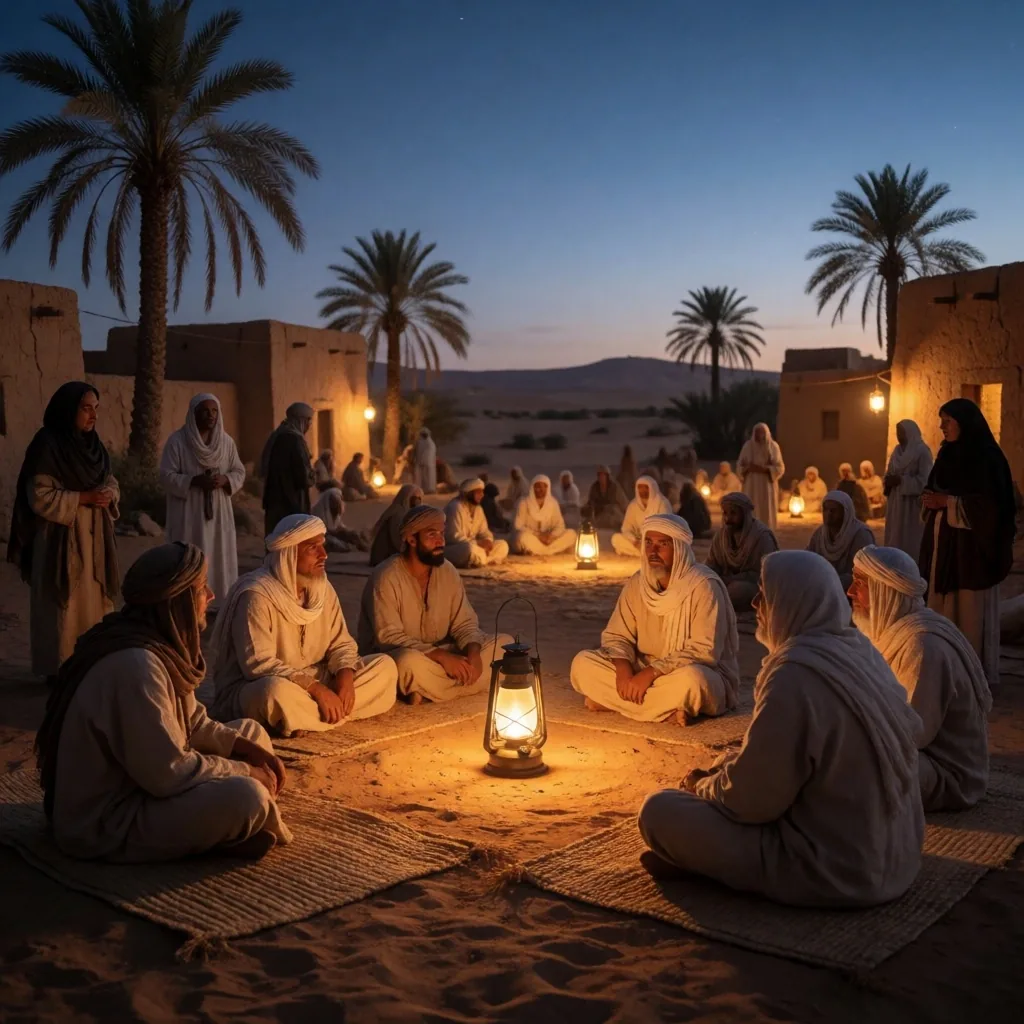
Joy and resilience, shared in the open
Throughout the year, various local festivals and celebrations take place across the country. These might be religious holidays, harvest festivals, or local saints' days. Participating in these events as an observer is a wonderful way to experience the vibrancy of Egyptian culture. We provide information on some of the major festivals and how to experience them respectfully. These celebrations are a reminder of the resilience and joy of the local communities.
Stand at the edge of a gathering before joining. Accept food or drink when it is offered, and observe rather than direct the flow of the event. A guest who watches with genuine interest is welcome; one who performs for attention is not.
Continue the journey
Respect grows from understanding. These egypt travelling guides are written to help you prepare for the social and natural landscape you will meet. Carry them with you, and let the people and the land guide the rest.
Discovery Egypt is an independent educational resource for coastal and cultural travel in Egypt. Reach us at [email protected] or +20 2 2375 1589, or visit our contact page for working hours.