Natural Egypt · Travel Guides
Natural Egypt: Essential Travel Guides for Coastal and Desert Exploration
A resource dedicated to the raw beauty of the Egyptian landscape. We focus on the serene environments shaped by wind, water, and sun — and help the traveller into Egypt find the quiet corners where palm trees provide shade against the vast horizon.
Entry 01 · Orientation
Understanding the Regional Geography
The Egyptian terrain is far more diverse than a simple desert expanse. To the east, the country is bordered by the Red Sea, a basin known for its clear waters and surrounding mountain ranges that create a dramatic backdrop for the shoreline. To the north, the Mediterranean coast offers a different climate, characterized by salt-sprayed air and softer sands. The Nile River serves as a green spine through the center, providing a lush corridor that contrasts sharply with the arid surroundings.
Recognizing these zones is the first step for any traveller into Egypt who wishes to plan a route based on natural interests rather than traditional tourist loops. Our egypt travelling guides focus on the land itself — the wadis, the oases, the coastal inlets — so you can match your journey to the landscape that speaks to you.
Entry 02 · The Coastline
Coastal Sanctuaries and Sea Breezes
The coastlines provide a necessary reprieve from the interior heat. Along the eastern edge, the Gulf of Aqaba and the Red Sea proper offer rocky inlets and sandy stretches where the wind remains constant. These areas are not just for relaxation but serve as windows into a complex marine ecosystem. Visitors can find spots where the desert literally meets the sea, creating a unique visual contrast where the beige of the sand dissolves into the deep turquoise of the water.
Our egypt travelling guides emphasize these transitions, pointing you toward locations where the tide dictates the pace of the day — where the morning breeze shifts to an evening calm and the shoreline changes shape with every cycle.
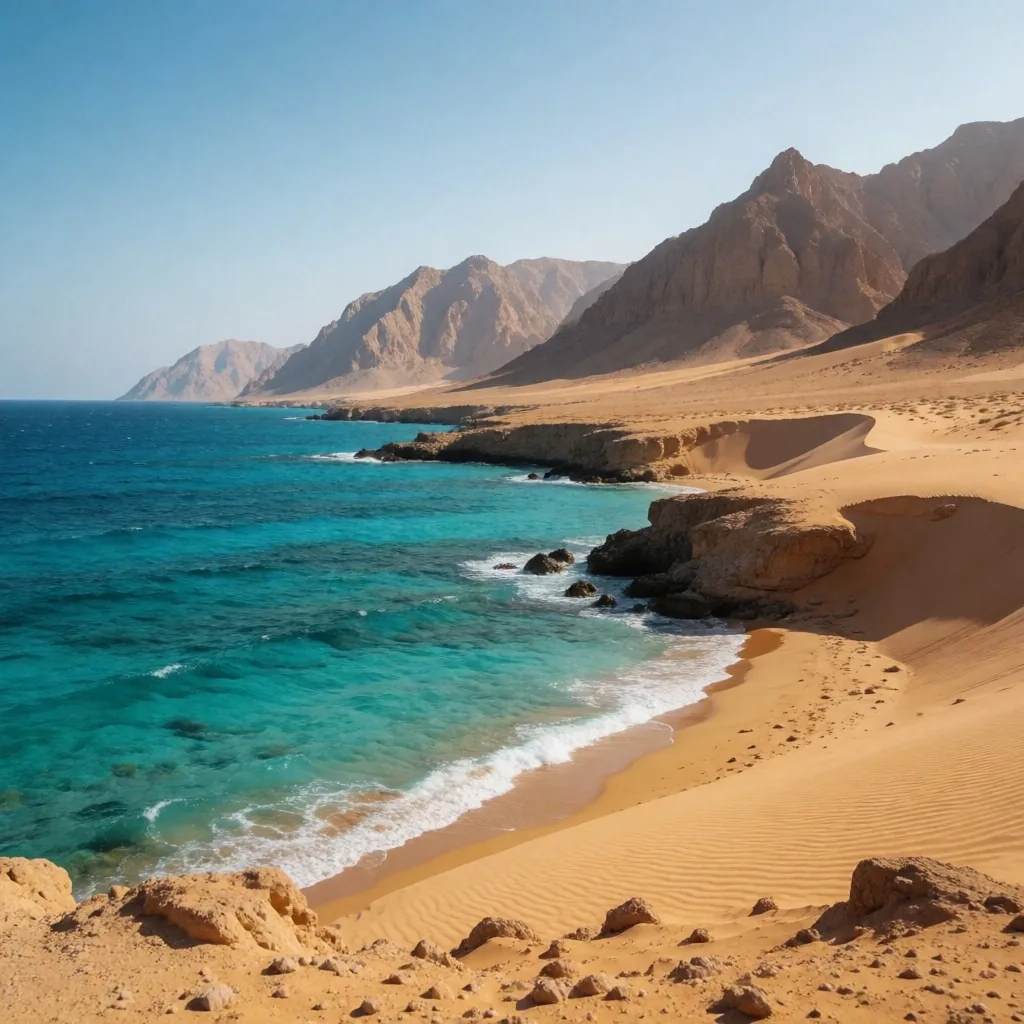
Where sand meets the tide
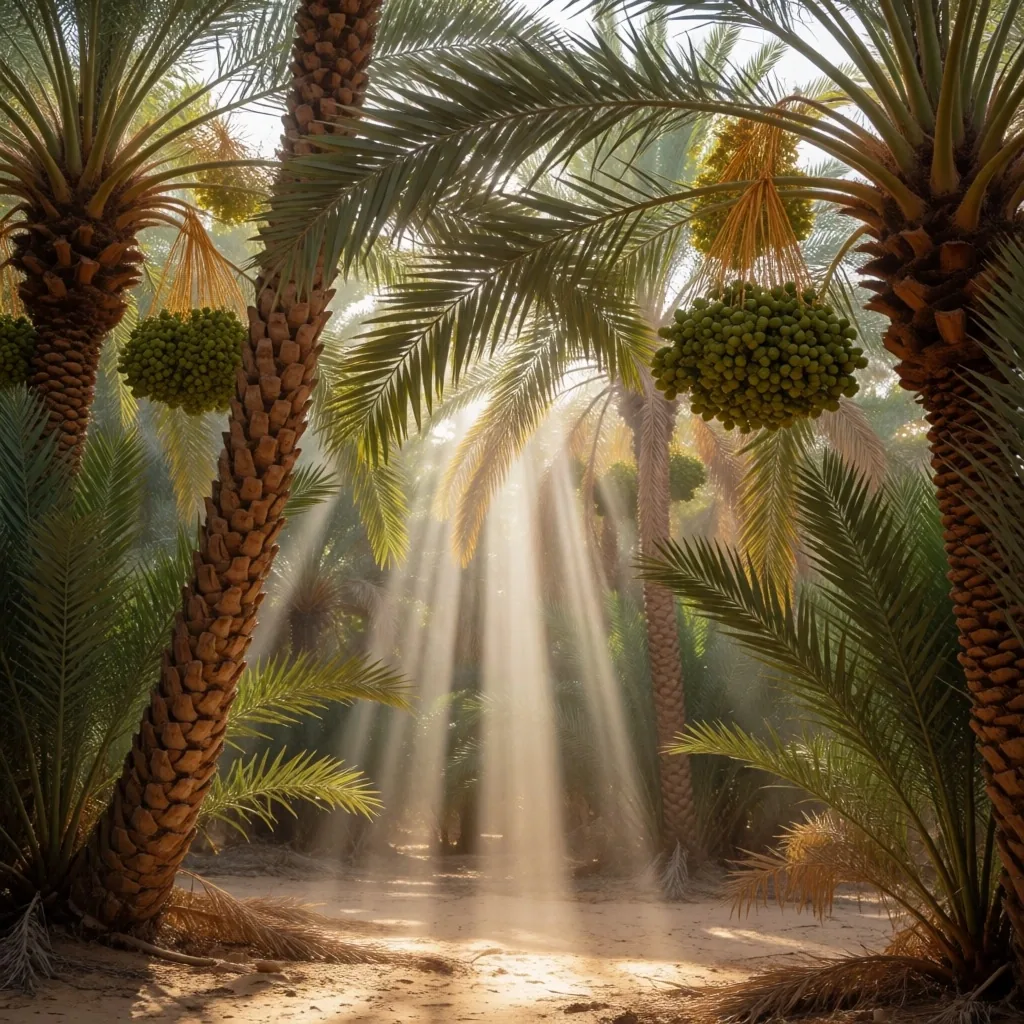
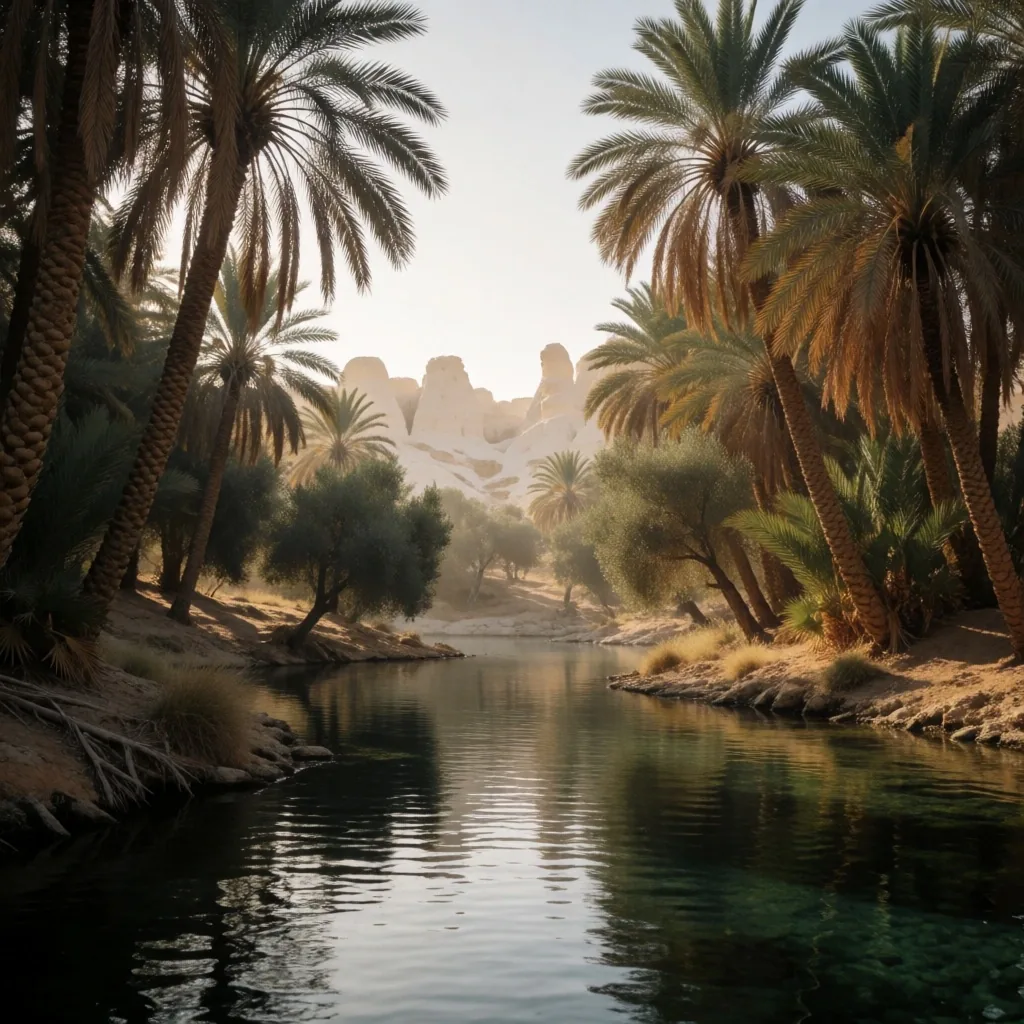
Oasis canopy · Palm shade
Entry 03 · The Interior
The Greener Side of Arid Lands
In the heart of the desert, life persists through ancient aquifers and natural springs. Oases like Siwa or Bahariya are not merely rest stops; they are self-sustaining ecosystems where thousands of palm trees create a dense canopy. Walking through these groves provides a temperature drop that feels remarkable after a day in the open sun.
These green havens have supported life for millennia, relying on traditional irrigation methods to maintain their gardens and groves. Understanding how water is managed in these remote locations is central to appreciating the resilience of the local environment. The date palm stands at the center of this system — feeding the community, shading the soil, and marking the presence of water in an otherwise dry land.
For the traveller into Egypt, an oasis visit is a lesson in adaptation. The ground changes color beneath your feet as you move from hardpan to garden soil. The air carries the scent of date blossoms and cool water. These are working landscapes, not curated displays — and our travel guides treat them as such.
Entry 04 · Regional Index
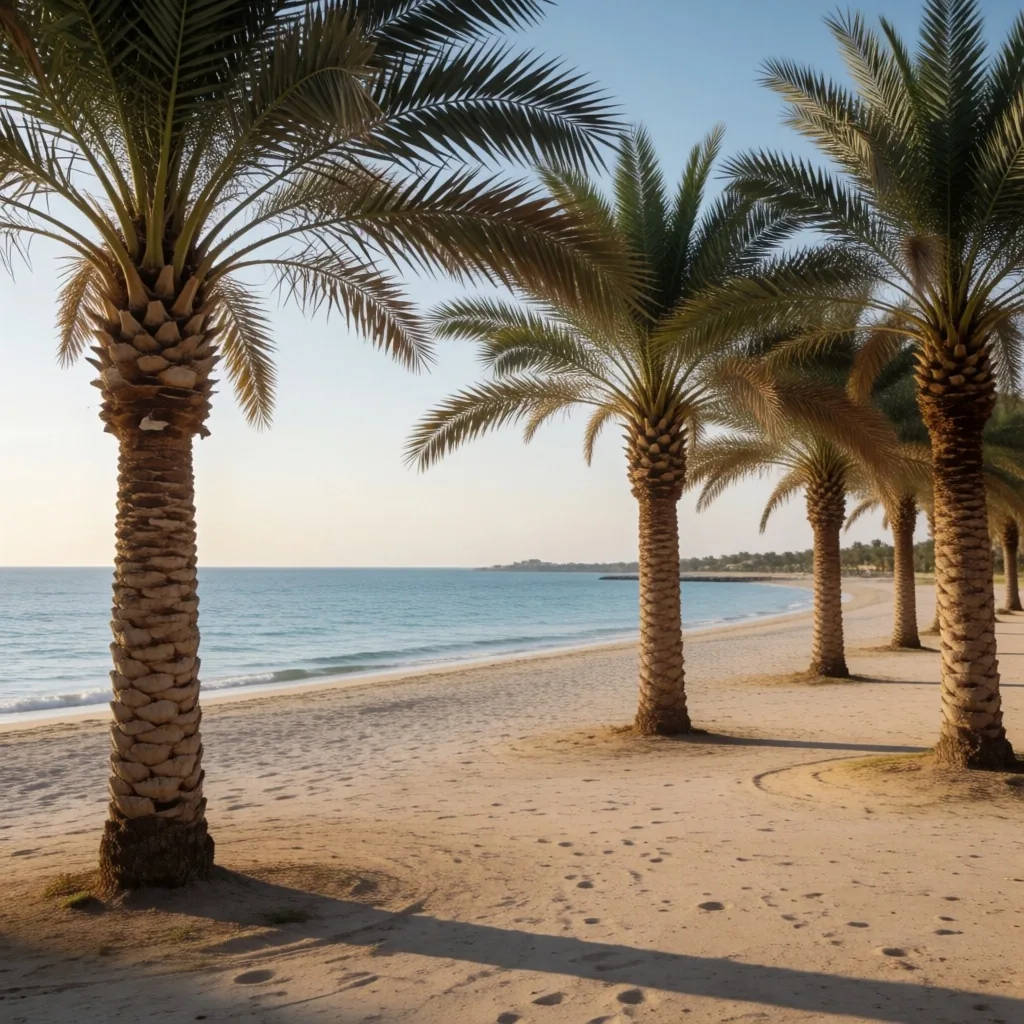
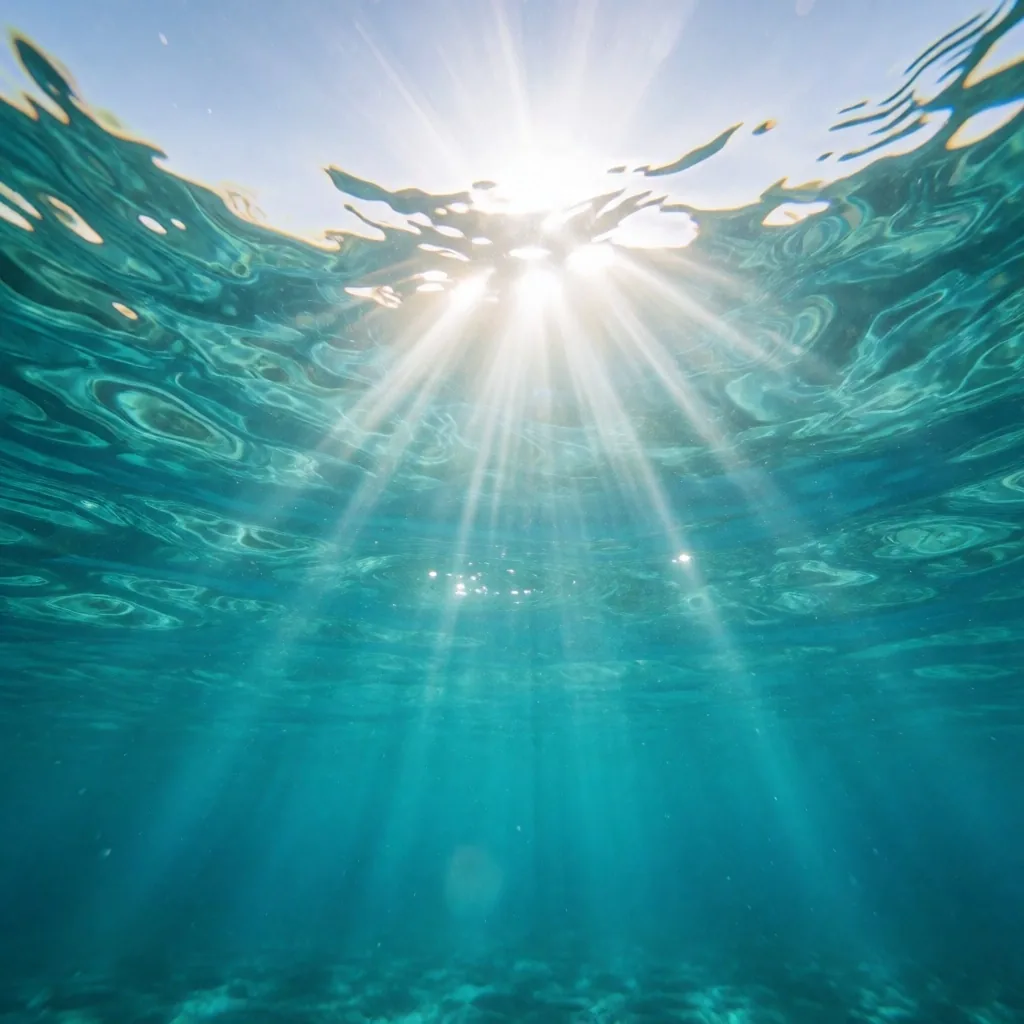
Four Landscapes, Four Guides
Entry 05 · The River
Riverfront Perspectives
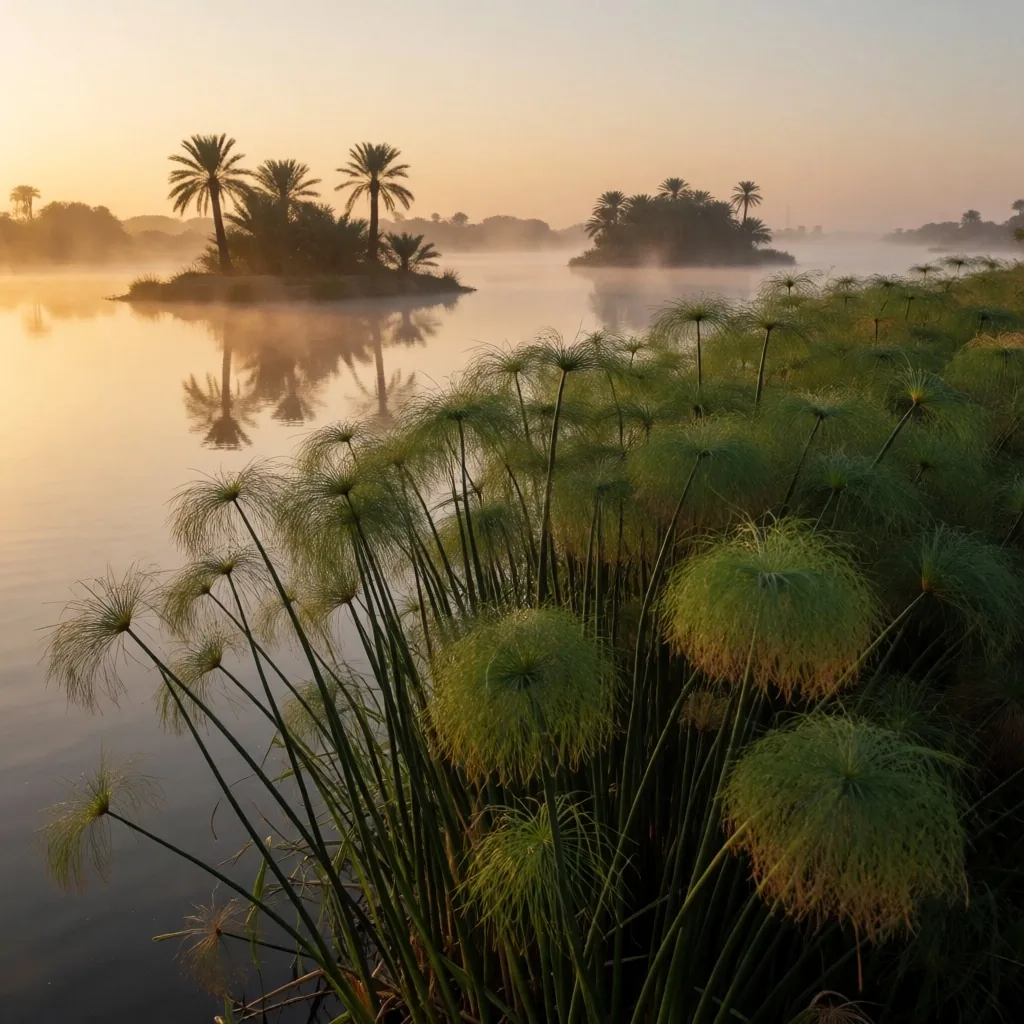
The Nile is the lifeblood of the nation, and its banks offer a unique perspective on the intersection of water and land. Away from the dense city centers, the river flows past granite boulders and reed-filled banks. The flora here is distinct, featuring papyrus and various aquatic plants that draw in local birdlife.
Small islands dot the river, providing isolated pockets of greenery where the sound of flowing water replaces the hum of traffic. We provide insights on how to observe these riverine environments from the shore, focusing on the seasonal changes that affect the water level and the surrounding vegetation. In late summer, the banks swell with the annual flood cycle's residual flow; in winter, the water recedes to expose rich silt that has sustained agriculture for thousands of years.
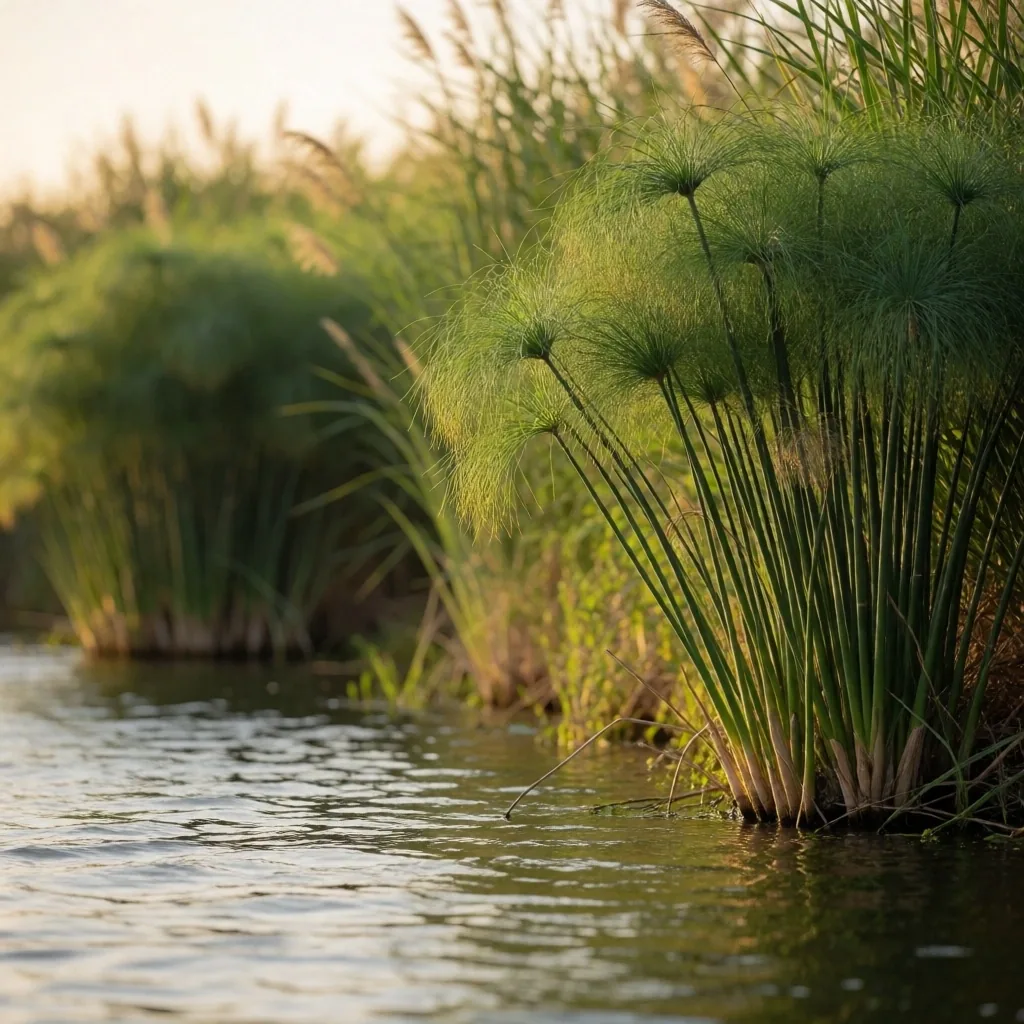
Reed banks · Papyrus
Entry 06 · Preparation
Planning for the Elements
Preparation is key when moving between the humid coasts and the dry interior. The sun is a constant factor, requiring specific gear and a shift in daily timing. Early mornings and late afternoons are the most productive times for exploration, while the midday hours are best spent in the shade of palm trees or thick-walled structures.
Our travel guides suggest packing according to these temperature swings, as the desert can cool down significantly once the sun sets. We avoid recommending specific brands, focusing instead on the functional requirements of breathable fabrics and sturdy footwear suitable for sandy or rocky paths.
Seasonal Timing for Nature Lovers
Wildflowers bloom in the Sinai; migratory birds pass through the Rift Valley and Red Sea coast.
Intense interior heat, but the warmest coastal waters — best for Red Sea shoreline exploration.
The most stable temperatures for desert treks and long walks through the wadis.
Ideal for the southern Nile, where the sun is pleasant rather than punishing.
Entry 07 · The Quiet
Respecting the Natural Silence
One of the most valuable aspects of Egypt's natural sites is the silence they offer. In the vast wadis of the Eastern Desert, the lack of human-made noise allows for a heightened awareness of the environment. You might hear the wind whistling through sandstone formations or the occasional call of a desert bird.
Preserving this quiet is a responsibility for every visitor. By staying on established paths and minimizing waste, travellers help ensure that these sensitive ecosystems remain intact for future generations to observe and enjoy.
Finding seclusion requires a willingness to move beyond the primary transit hubs. While major roads connect the main regions, the most interesting natural features often lie at the end of dirt tracks or along less-traveled coastal routes. For the traveller into Egypt, this means being comfortable with a slower pace of movement.
Whether you are following the curve of the Mediterranean or heading deep into the interior, the goal is to observe the changing textures of the soil and the shifting colors of the sky. These guides serve as a compass for those who value the journey as much as the destination.
Entry 08 · Land & Life
Flora of the Desert and Coast
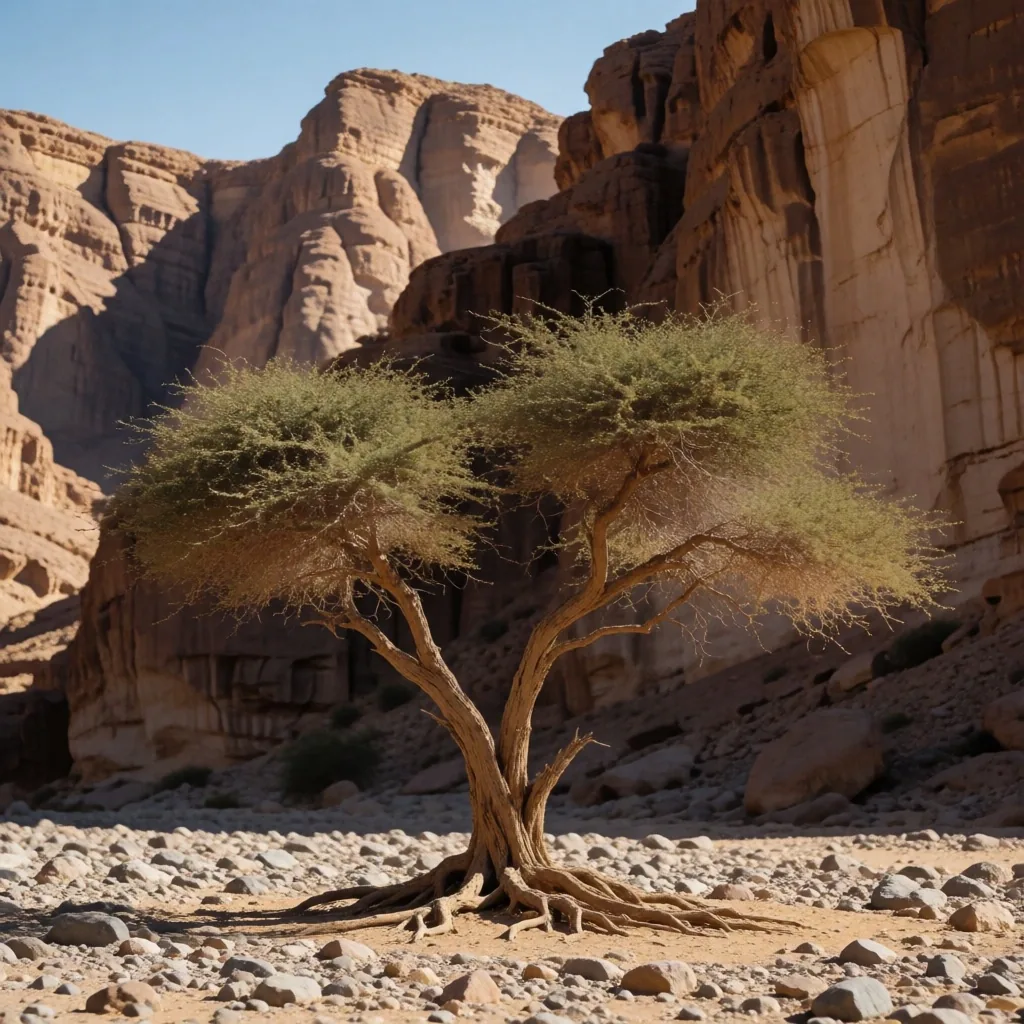
Acacia · Southern wadis
The vegetation in Egypt has adapted to survive extreme conditions. From the salt-tolerant mangroves on the Red Sea coast to the hardy acacia trees in the southern wadis, the plants here are masters of water conservation.
Palm trees are perhaps the most iconic, providing not just shade but also dates, which have been a staple food source for centuries. Observing these species in their natural habitat reveals the clever ways nature manages to thrive with minimal rainfall. We provide details on where to see these botanical survivors without the need for commercial garden settings.
The Geology of the Land
Egypt's landscape is a masterclass in geology. From the white chalk formations of the Western Desert to the red granite peaks of the Sinai, the earth here is exposed and dramatic. Wind erosion has carved the soft stone into surreal shapes that look like giant mushrooms or waves frozen in time. These formations tell a story of ancient seas that once covered the land and the tectonic shifts that raised the mountains.
Entry 09 · Migration
Avian Life and Migration Paths
As a bridge between continents, Egypt is a major corridor for migratory birds. During the peak seasons, thousands of storks, pelicans, and birds of prey pass through the Rift Valley and along the Red Sea coast. Wetlands and coastal lagoons serve as vital refueling stops for these travelers.
Observing these migrations offers a glimpse into the global interconnectedness of nature. We highlight the types of environments, such as salt marshes and river islands, where birdwatching is most productive during the spring and fall months.
Entry 10 · The Night Sky
Stargazing in the Deep Desert
Away from the light pollution of the Nile Valley, the Egyptian night sky is exceptionally clear. The desert offers some of the best stargazing opportunities in the world, where the Milky Way is visible to the naked eye as a bright band across the heavens.
We provide advice on how to find safe, dark-sky locations where you can experience the magnitude of the universe without the interference of modern glow. It is an essential experience for any traveller into Egypt who seeks a connection with the ancient sky.
Entry 11 · Stewardship & Boundaries
Local Initiatives and Landscape Transitions
Local Environmental Initiatives
Preserving the natural beauty of Egypt requires active effort. Various local groups work to protect the coral reefs of the Red Sea and the biodiversity of the desert oases. While we do not promote commercial entities, we acknowledge the importance of following local guidelines regarding waste management and wildlife interaction.
By choosing to visit protected areas and adhering to "leave no trace" principles, you contribute to the sustainability of these fragile environments. Our egypt travelling guides emphasize the role of the visitor in maintaining the integrity of the natural landscape.
Transitioning Between Landscapes
The shift from the lush Nile banks to the stark desert is often abrupt, occurring within just a few hundred meters. This transition zone is fascinating for its change in soil composition and plant life. You move from the deep greens of cultivated land to the ochres and golds of the sand.
Understanding this boundary helps travellers appreciate the narrow margins of life in an arid climate. These travel guides encourage you to stop at these intersections and observe the sharp line where the influence of the river ends and the power of the desert begins.
Discovery Egypt
Plan your journey with us
Discovery Egypt is an educational resource for independent travellers. We compile practical guidance for navigating coastal and desert regions and help you prepare for the elements you will meet along the way. Reach out with questions about routes, timing, or what to carry.