Biodiversity and Protected Landscapes
Egypt's natural world is a mosaic of desert, sea, and riverine environments. While the arid climate might seem limiting, the country supports a surprising amount of biodiversity, much of it protected within a network of national parks and reserves. For the traveller into Egypt, these areas offer a chance to see the landscape in its most pristine state — from the coral reefs of Ras Mohammed to the bird-rich wetlands of the north.
Protected Areas of the Sinai
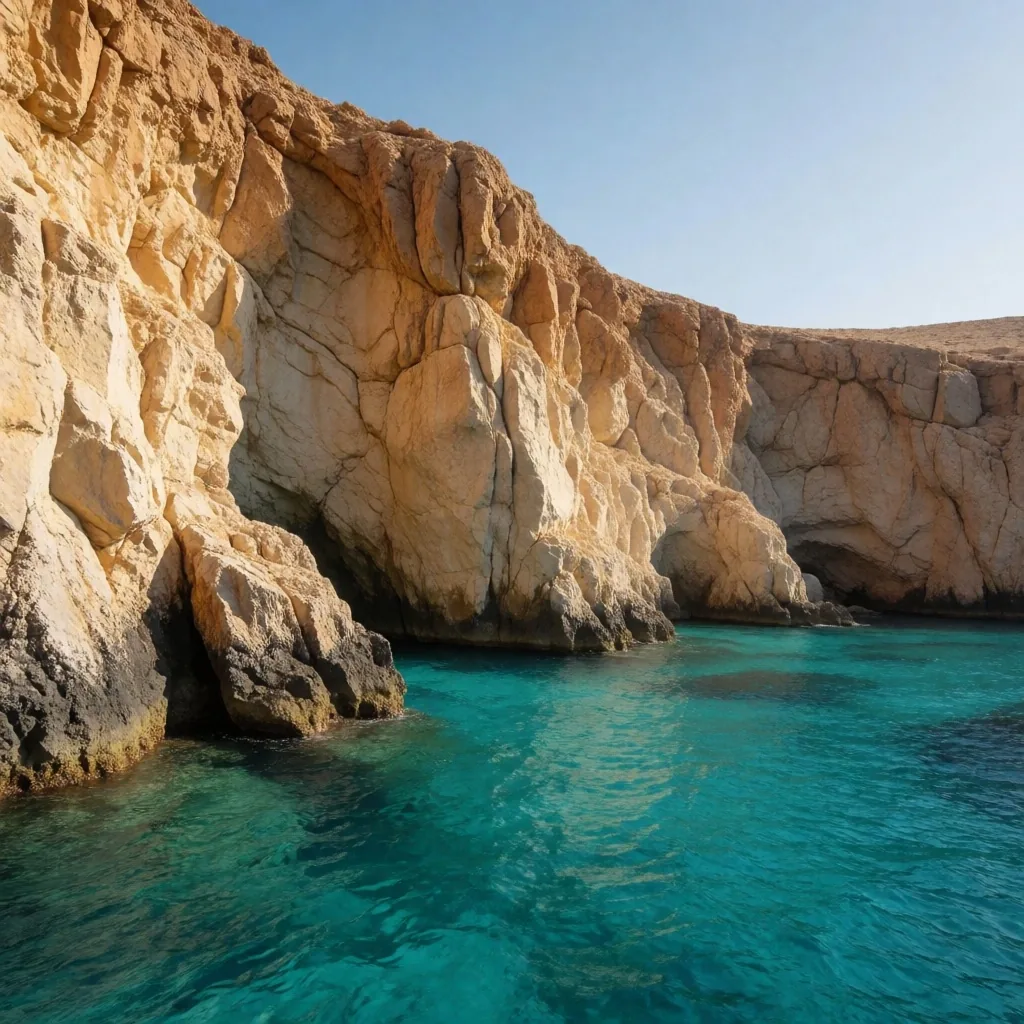
The Sinai Peninsula holds several important protected areas, including Ras Mohammed at its southern tip and the St. Katherine Protectorate in the central mountains. Ras Mohammed is known for its diverse marine life and healthy coral reefs, while St. Katherine protects a high-altitude desert ecosystem with many endemic plant species found nowhere else.
These areas are managed to balance conservation with limited visitation. Our egypt travelling guides provide information on how to visit these parks responsibly — following the rules that protect their unique biodiversity, staying on marked trails, and respecting seasonal closures that allow wildlife to breed undisturbed.
The contrast between the two parks is striking: one protects a vibrant underwater world of coral and reef fish, the other a cool mountain refuge where medicinal plants have been gathered for centuries. Together they show how Egypt's protected system spans both sea and summit within a single peninsula.
- Park entry permits may be required for Ras Mohammed — arrange through your local guide or at the gate
- St. Katherine sits at high altitude; temperatures drop sharply at night even in summer months
- Snorkeling gear is available near the reef, but bring reef-safe sunscreen to protect coral
The Eastern Desert and the Red Sea
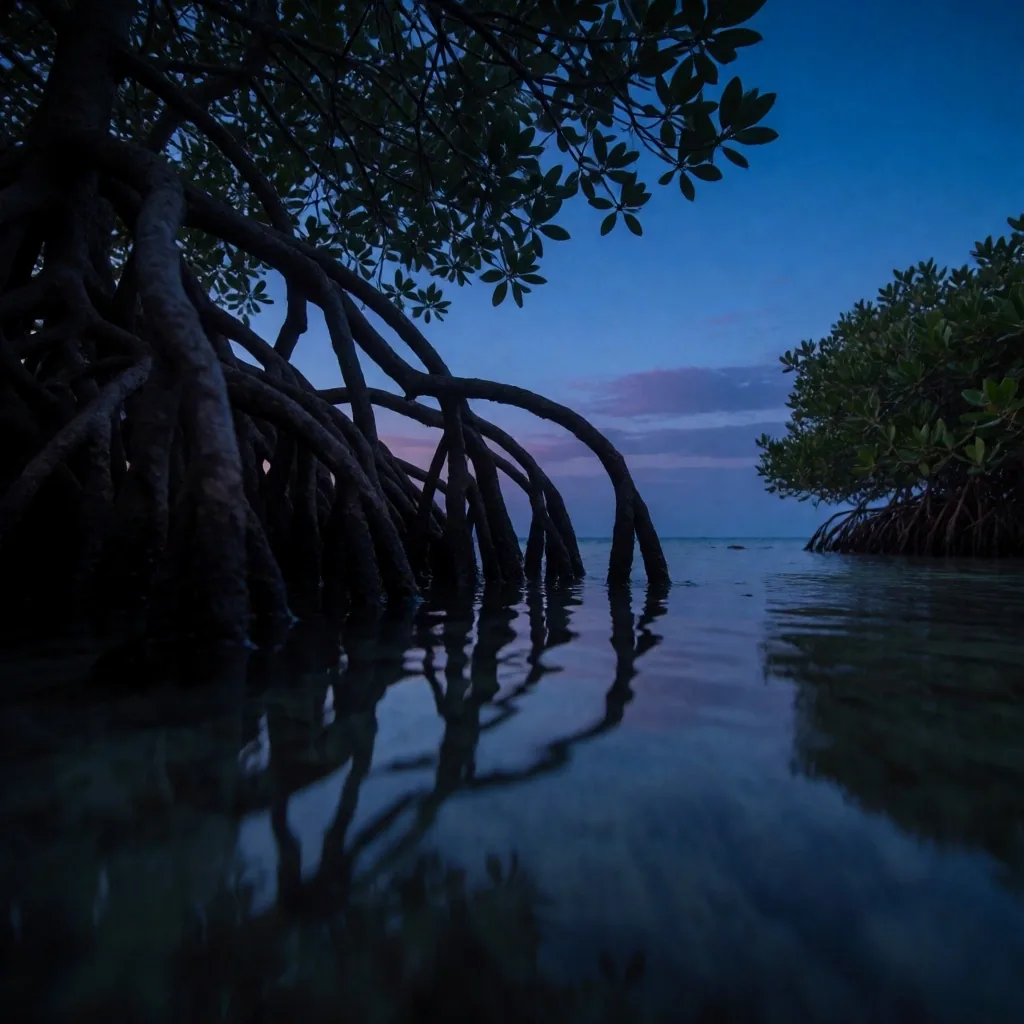
The Eastern Desert is a rugged landscape of granite mountains and dry wadis that supports specialized wildlife — Nubian ibex on the high cliffs, and raptors circling the thermal currents above. Along the coast, the Wadi El Gemal Protectorate includes both terrestrial and marine environments, protecting mangrove forests and seagrass beds where dugongs feed.
These areas are vital for the long-term health of the Red Sea ecosystem. Exploring these reserves offers a glimpse into the raw beauty of the desert-sea interface, where the environment remains largely untouched by modern development. The wadis fill briefly after rare rains, drawing gazelles and foxes down from the hills to drink.
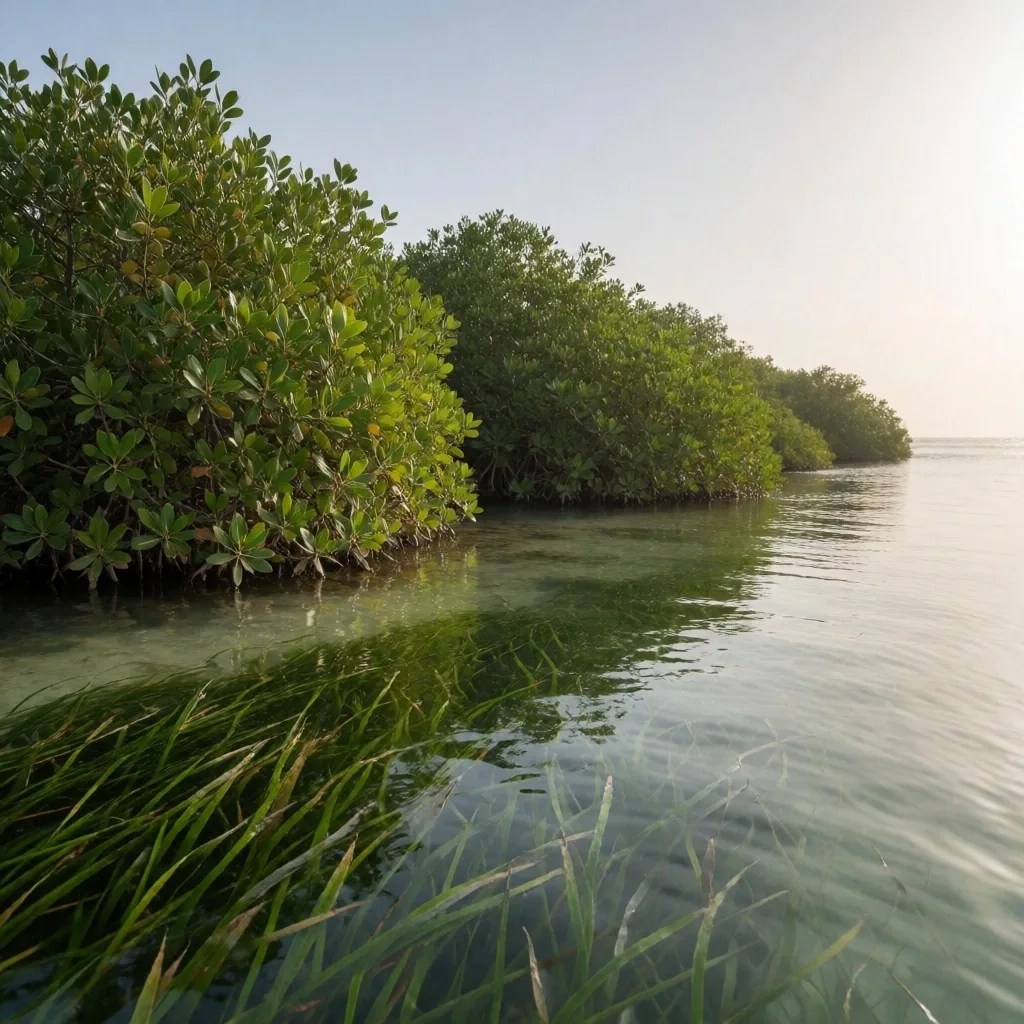
Mangrove and seagrass habitat · Wadi El Gemal
The Western Desert and the Oases
In the Western Desert, the White Desert National Park is the most famous protected area — known for its surreal chalk formations sculpted by wind into shapes that resemble giant mushrooms and icebergs. The formations glow amber at sunset and silver under moonlight, making overnight visits a quiet, otherworldly experience.
Other areas, like the Siwa Protectorate, focus on the unique cultural and natural heritage of the oases. These parks aim to preserve traditional water management systems — the ancient springs and irrigation channels that have sustained agriculture here for thousands of years — alongside the local flora and fauna.
The vastness of these areas means that much of the biodiversity is still being documented. New plant species and insect records emerge regularly from scientific surveys. Our travel guides provide insights into the geological and biological importance of these remote desert sanctuaries, and practical guidance for reaching them safely.
Chalk limestone
October – March
4WD + local guide
Camping permitted
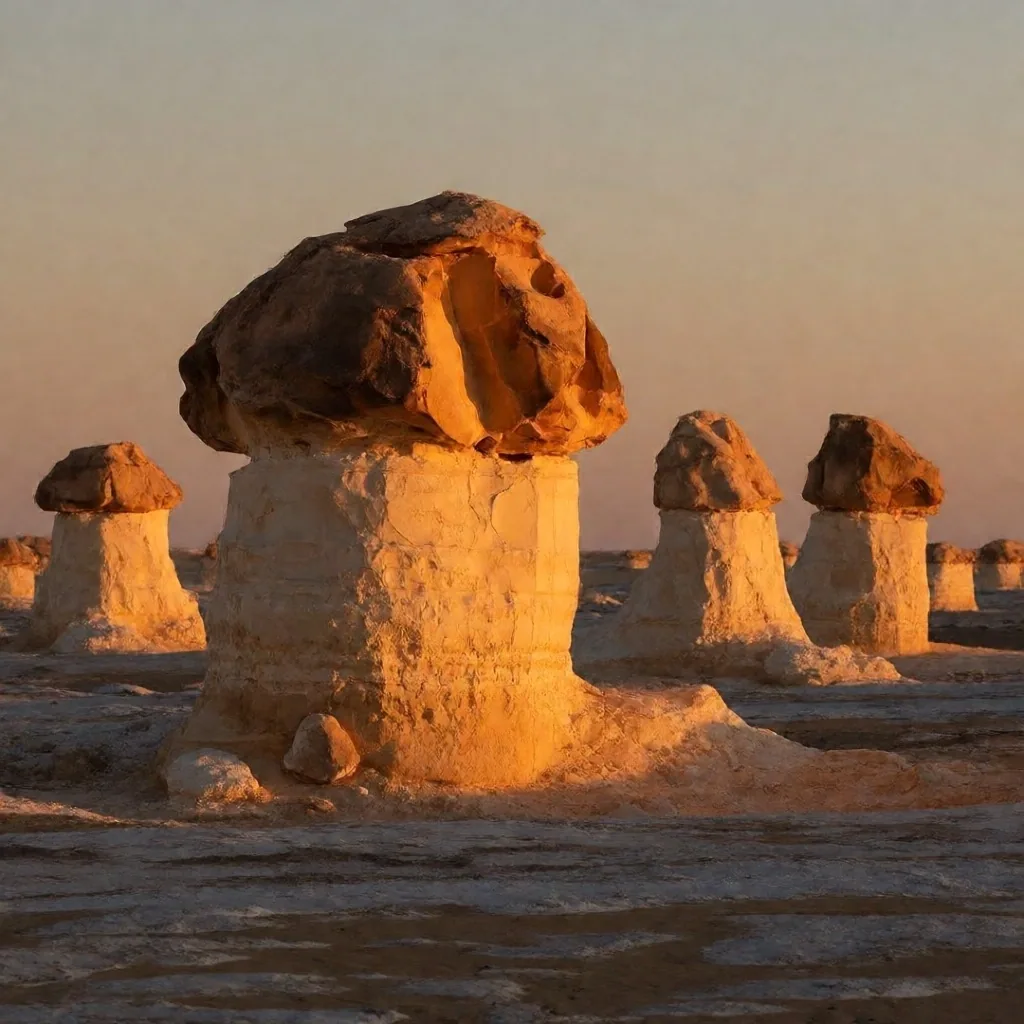
Chalk formations · White Desert National Park
Wetland and Coastal Lagoons
Egypt's northern coast features several large lagoons and wetlands that are essential for migratory birds traveling between Africa and Europe. The Burullus and Bardawil lagoons are internationally recognized for their importance to birdlife. These areas are a mix of salt and fresh water, creating a unique habitat for fish, reed plants, and invertebrates. While often overlooked by travelers, these wetlands are crucial for the ecological balance of the region.
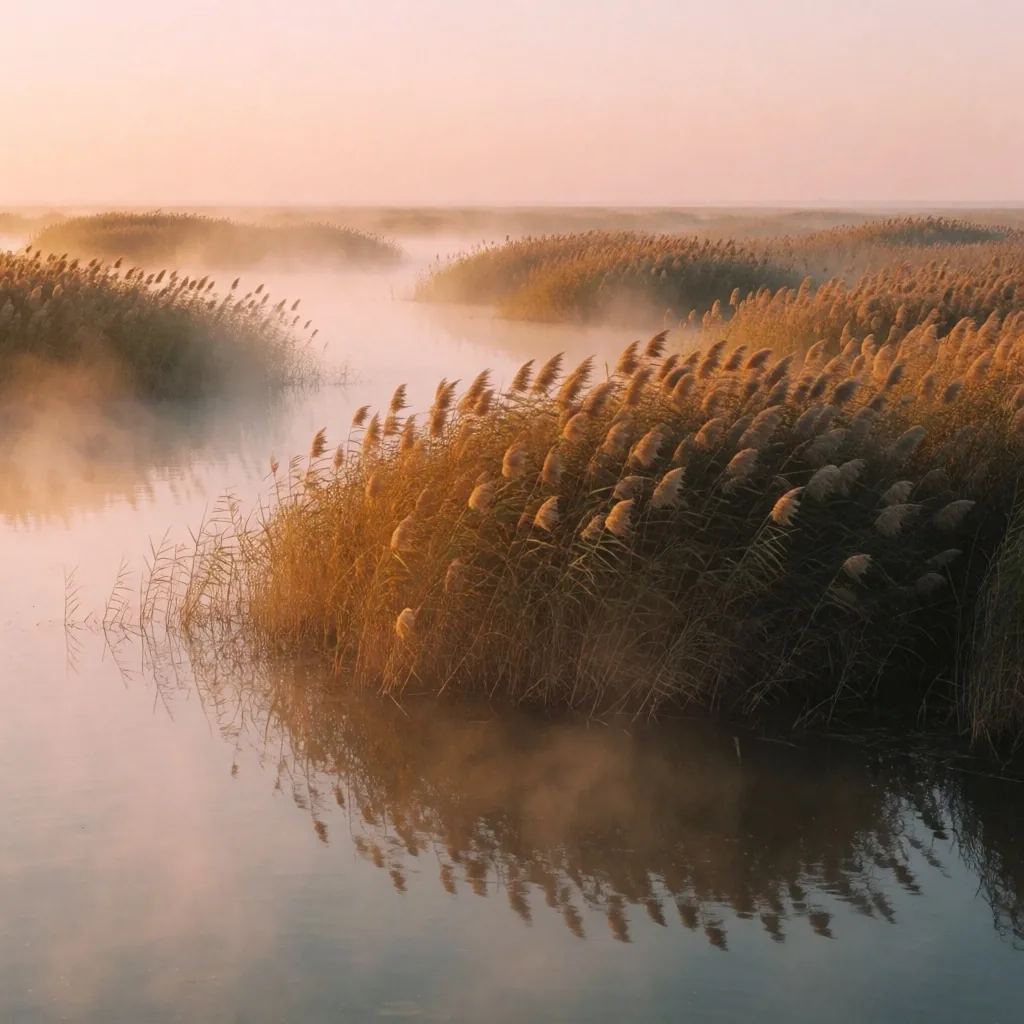
Burullus Lagoon
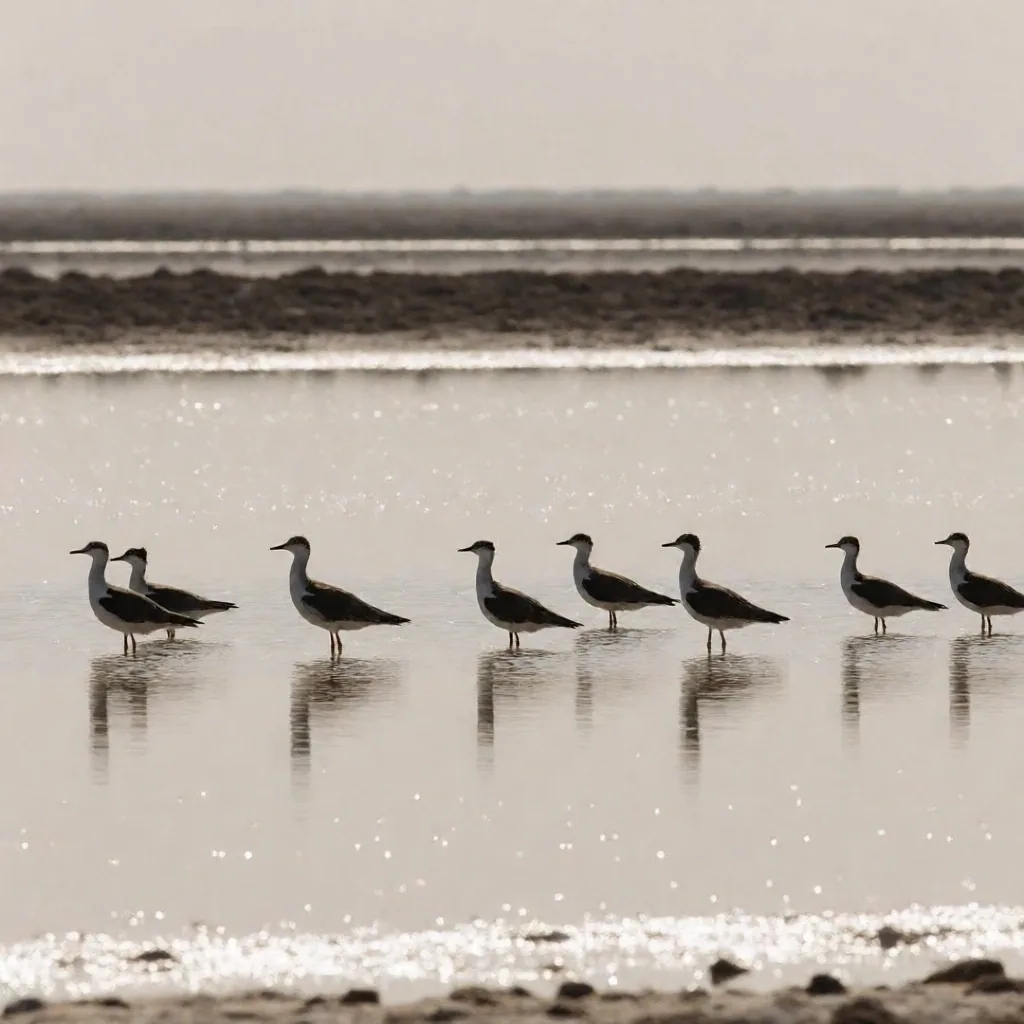
Bardawil Lagoon
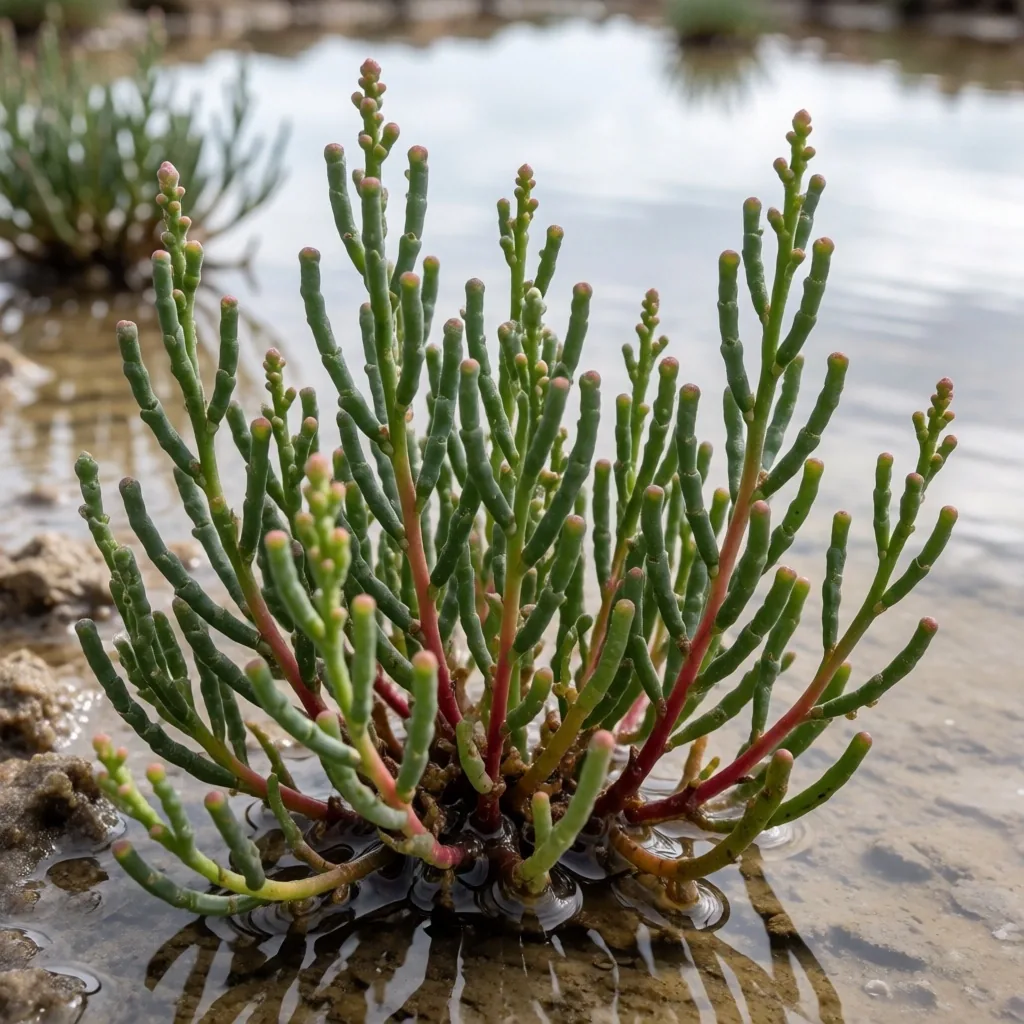
Salt Marsh Flora
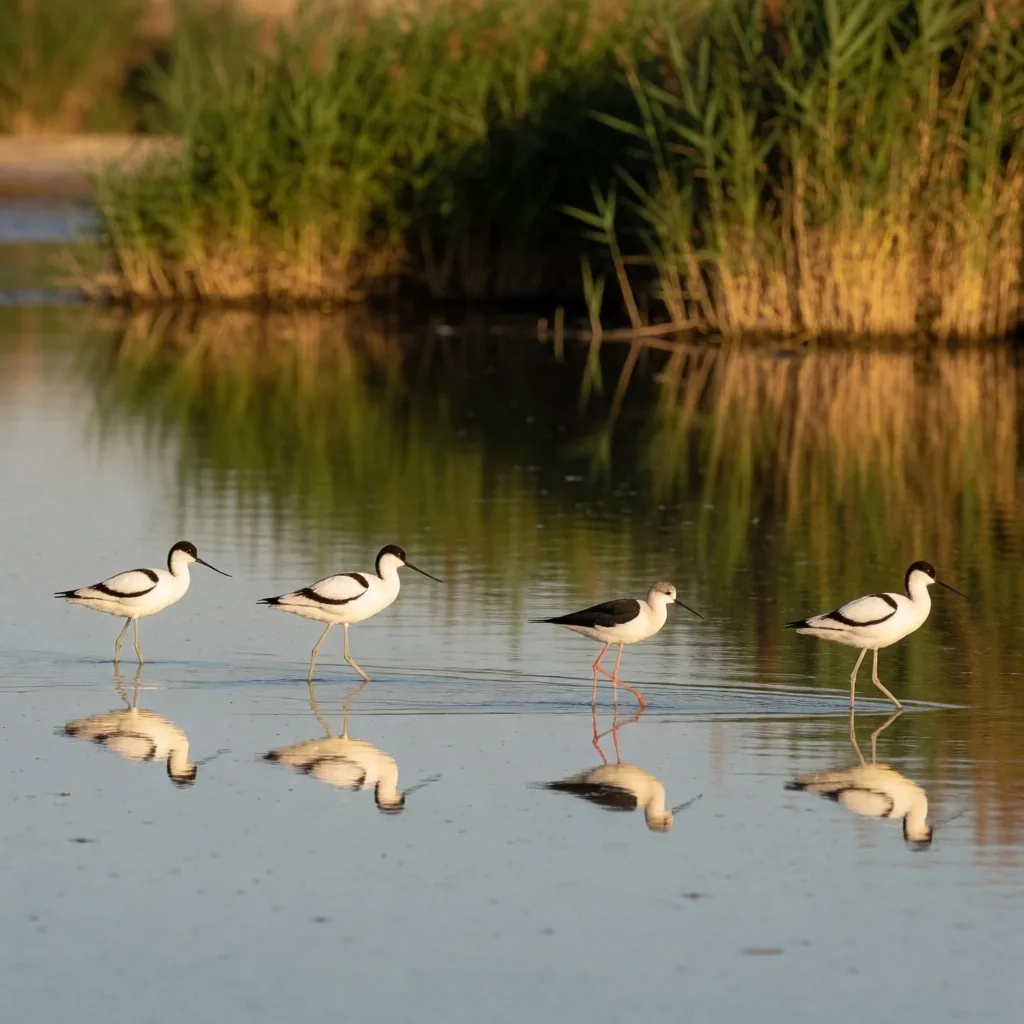
Shorebird Migration
The best window for birdwatching falls during the spring and autumn migration seasons, when millions of birds pause at these lagoons to rest and feed. Early morning visits offer the clearest views and the least disturbance. Our travel guides highlight the access points and the species most likely to appear at each season.
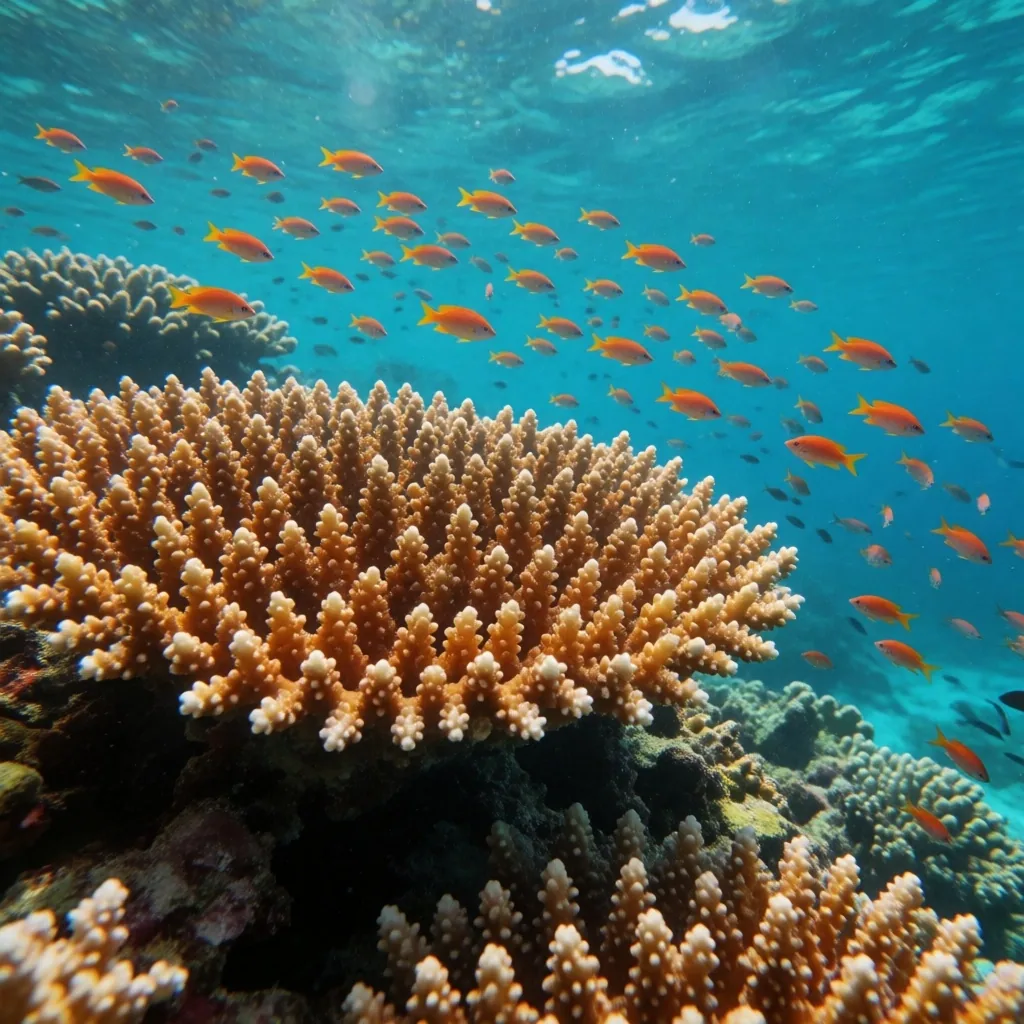
Coral reef ecosystem · Red Sea
Marine Conservation Efforts
The coral reefs of the Red Sea are among the most resilient in the world, tolerating warmer water temperatures than many other reef systems. But they still face significant threats — from anchor damage, unregulated coastal development, and rising sea temperatures that stress the coral polyps.
Organizations like HEPCA (Hurghada Environmental Protection and Conservation Association) work to protect the reefs through mooring buoy projects that eliminate the need for boats to drop anchor, waste management programs, and public education campaigns. As a visitor, you can support these efforts by following best practices for marine interaction — maintaining buoyancy control while diving, not touching or standing on coral, and choosing operators that follow environmental guidelines.
Our egypt travelling guides explain the importance of these conservation initiatives and how your choices as a traveler contribute to the protection of the marine environment. Small decisions — which boat to board, where to snorkel, how to dispose of waste — shape the future of the reef.
Desert Flora and Arid Land Fauna
The plants and animals of Egypt's deserts have developed remarkable ways to survive with very little water. Observing them in their natural habitat is a lesson in resilience — each species tells a story of adaptation to heat, drought, and scarce resources.
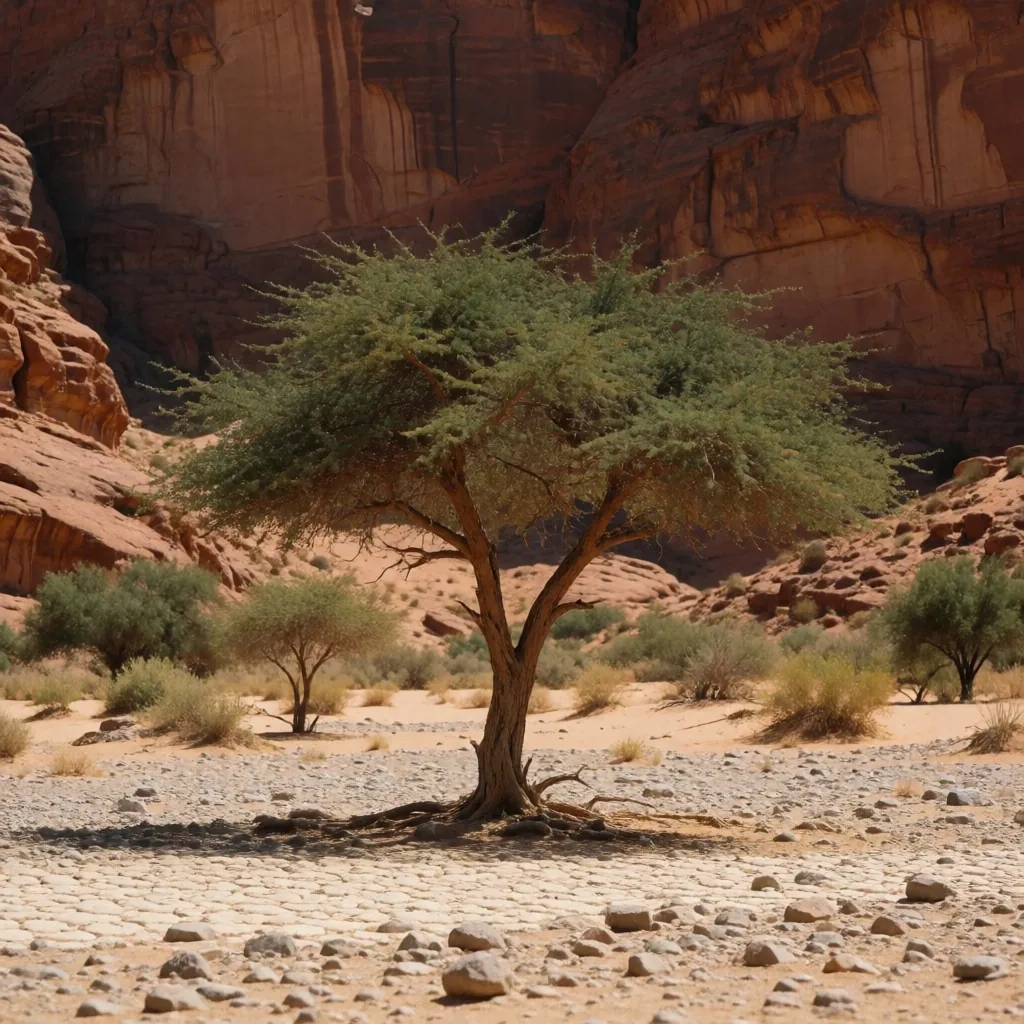
Some plants have deep taproots that reach underground aquifers tens of meters below the surface, while others have thick, waxy leaves that prevent moisture loss. Succulents store water in fleshy stems, and salt-tolerant species thrive in the oases and along the coast where the soil holds mineral salts.
- A Acacia — taproots reaching 30m+ for deep groundwater
- B Euphorbia — waxy stems reduce evaporation, toxic sap deters grazing
- C Date palm — oasis staple, tolerant of saline soils and intense heat
- D Halophytes — salt-excreting plants colonizing coastal marsh margins
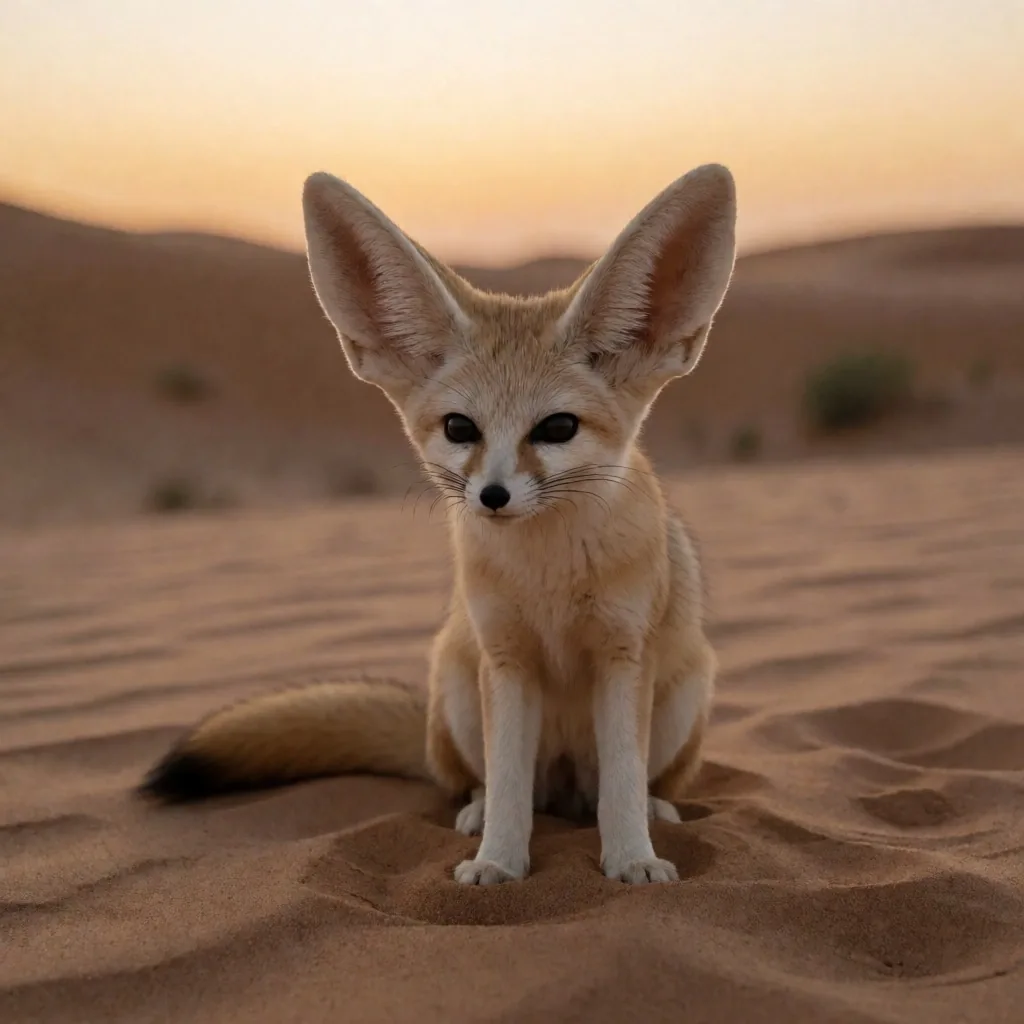
Fennec foxes use their oversized ears to dissipate body heat, while gazelles can go for long periods without drinking — getting their moisture from the plants they eat. In the mountains, the Nubian ibex navigates rocky terrain with sure-footed ease. Many of these animals are nocturnal, so you might only see their tracks in the sand.
- A Fennec fox — nocturnal, large ears for thermoregulation
- B Dorcas gazelle — derives water from vegetation, active at dawn and dusk
- C Nubian ibex — cliff-dwelling, descends to lower slopes at night to graze
- D Sand fox & hyrax — both leave distinctive tracks in soft sand
We provide tips on how to read these signs of wildlife — track identification, listening for nocturnal calls, and choosing the right times of day for observation. Early morning and the hour after sunset are when the desert is most alive.
The Role of Local Communities in Conservation
Conservation in Egypt is most successful when it involves the people who live within and near the protected areas. Many parks work closely with local communities — providing employment as guides, rangers, and wardens, and supporting sustainable traditional practices like date farming, herb gathering, and artisanal fishing.
This approach recognizes that local people are the best stewards of the land. Their knowledge of seasonal water sources, wildlife movements, and plant cycles spans generations — information no external survey can replicate quickly. By visiting these areas and respecting local knowledge, you support a model of conservation that values both nature and culture.
Our egypt travelling guides highlight community-based initiatives where visitor contributions go directly to the people maintaining the reserves. Choosing locally owned lodges, hiring local guides, and purchasing handmade goods all reinforce the link between conservation and livelihood.
Employment
Protected areas hire local residents as guides, rangers, and conservation officers — creating direct economic incentive to preserve habitat.
Traditional Practice
Grazing limits, water-sharing rules, and plant harvest seasons are set in dialogue with the people who have managed these lands for centuries.
Visitor Choice
Staying in community-run lodges and hiring local guides directs travel spending to the people who shoulder the work of protection.
Geological Wonders and Protected Sites
Egypt's geology is often just as important as its biology. Sites like the Petrified Forest near Cairo and the Whale Valley — Wadi El Hitan — in the Western Desert provide a window into the earth's ancient past. These landscapes tell stories that predate human presence by tens of millions of years.
Wadi El Hitan, recognized internationally for its scientific value, contains remarkably preserved fossils of early whales. The skeletons show the transition from land-dwelling mammals to sea-dwelling creatures — legs shrinking toward flippers, nostrils migrating up the skull toward a blowhole. It is one of the most important paleontological sites in the world for understanding how whales returned to the sea.
These sites are protected to ensure that their scientific and natural value is preserved. Fossils remain in place rather than being removed, so visitors can see them in the same geological context where they were formed. We provide information on how to explore these geological wonders responsibly — staying on designated paths, not collecting specimens, and reporting any new finds to park authorities.
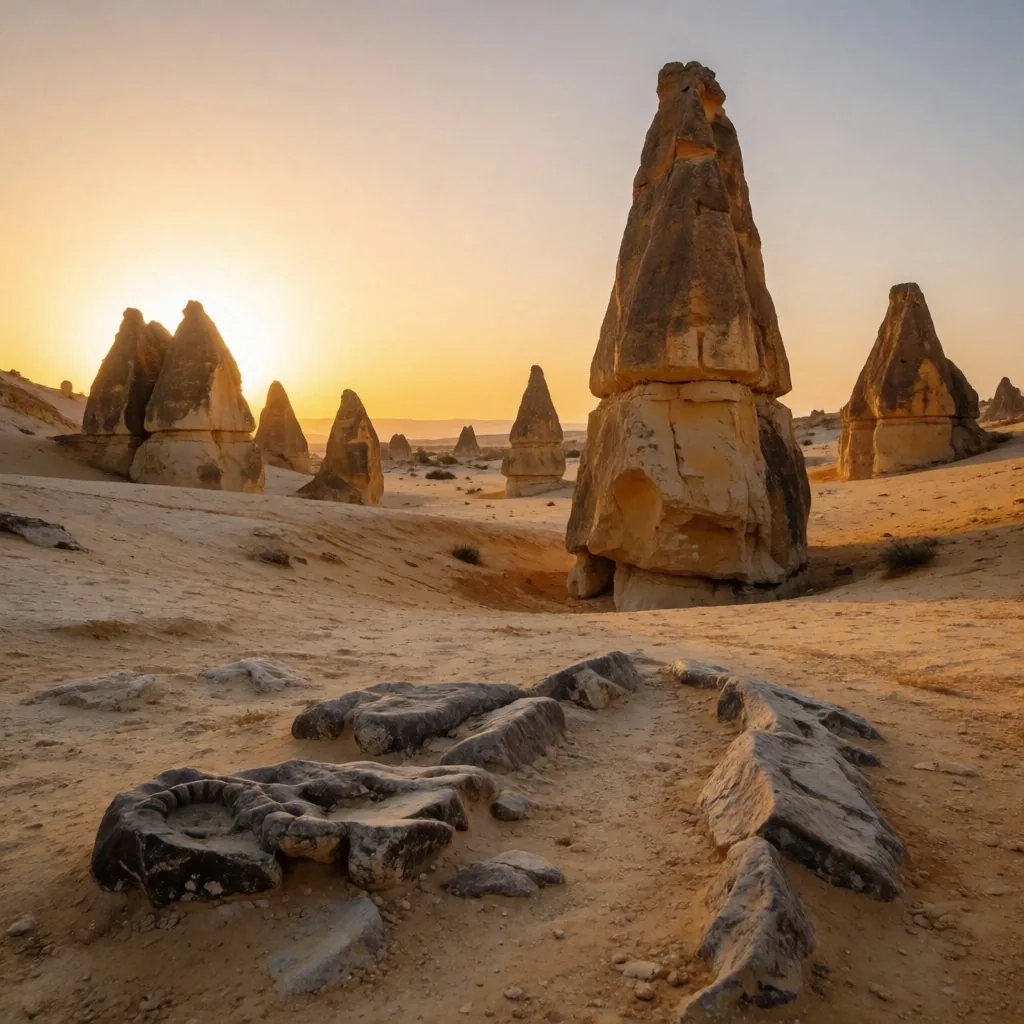
Eocene whale fossils · Wadi El Hitan
Planning Your Nature Exploration
Exploring Egypt's protected areas requires more planning than visiting the main cities. Some parks require permits, and others are only accessible with a local guide. Being prepared means making the most of your time in these special places — and ensuring your visit has a positive impact on the environment.
Choose Your Season
October through March offers the most comfortable conditions for desert and mountain parks. Coastal sites like Ras Mohammed are visitable year-round, but summer water temperatures are warmest. Wetland birdwatching peaks during spring and autumn migration.
Arrange Permits and Guides
Check whether your destination requires an entry permit before you travel. Remote parks like Wadi El Hitan and the White Desert are accessible only by 4WD with a registered guide. We list current access requirements in our egypt travelling guides for each protected area.
Pack for the Terrain
Sturdy closed shoes, long sleeves for sun protection, and at least four liters of water per person per day in the desert. A wide-brimmed hat, polarized sunglasses, and reef-safe sunscreen are essential. For overnight trips, bring layers — desert nights can drop below 10°C even in spring.
Travel Light, Leave No Trace
Carry out everything you carry in. Stay on marked trails to protect fragile soil crusts and avoid disturbing nesting birds. Keep a respectful distance from wildlife — using binoculars rather than approaching. Nature exploration is a privilege that comes with a responsibility to protect.
More travel guides for the traveller into Egypt
These protected areas connect to the wider landscape — coastal reefs, desert oases, and the river corridor that sustains them all. Each guide below covers a different facet of the same living system.
Talk to us about planning your visit
Our team can help you understand permit requirements, seasonal conditions, and guide arrangements for protected areas across Egypt.