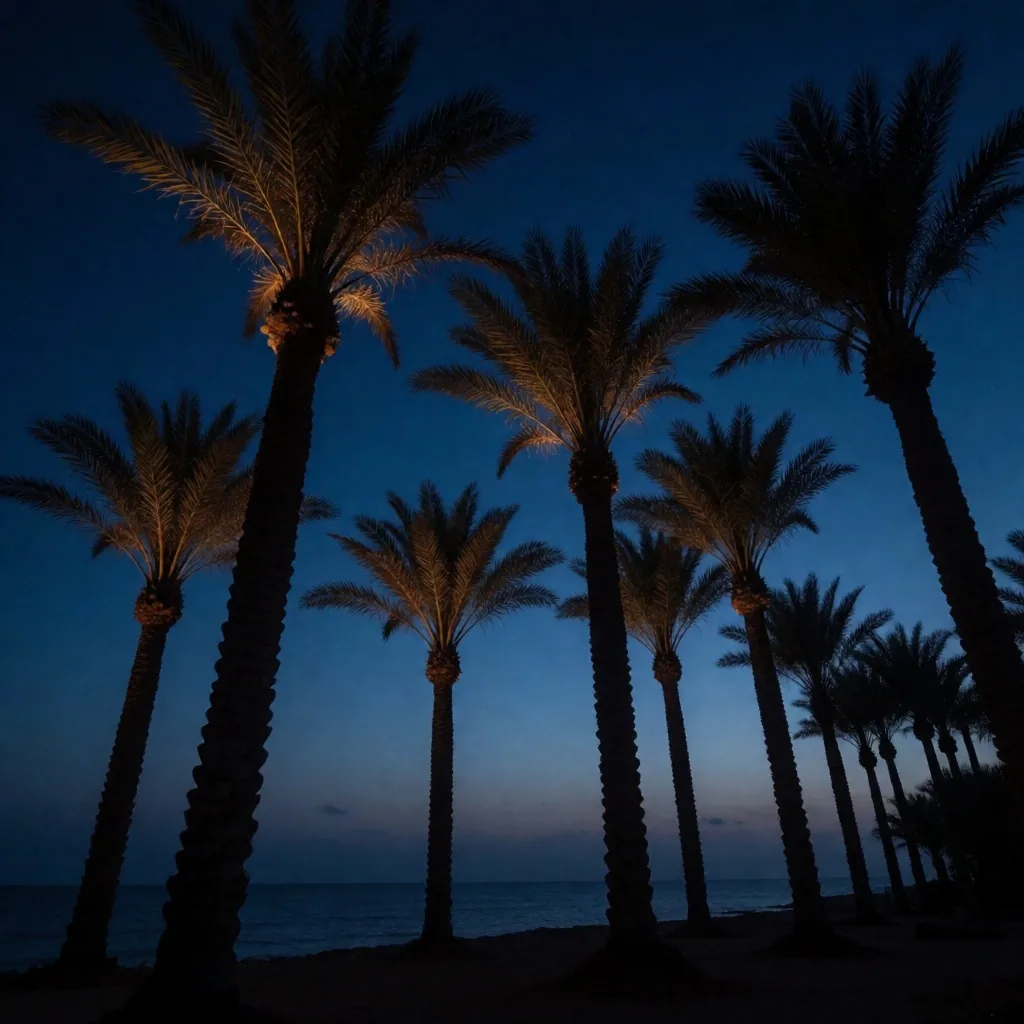
Discovery Egypt — Coastal Survey Vol. III
Red Sea Wonders
Marine environments and rocky shores along Egypt's eastern coast — where high mountain walls drop into deep coral water, and the shoreline moves to the rhythm of wind, salt, and tide.
Eastern Shoreline / 10 EntriesEntry 01 — Orientation
A coast of extremes
The Red Sea coast of Egypt is a land of extremes, where high mountains meet deep blue waters. This region is defined by its unique marine biology and its rugged, sun-drenched topography. For the traveller into Egypt, the Red Sea represents an opportunity to witness one of the most vibrant natural systems on the planet. These travel guides delve into the specifics of the eastern shoreline, focusing on the natural formations, the diverse aquatic life, and the environmental factors that make this area so distinct from the rest of the country.
The wind here shapes everything. It carves the granite peaks, churns the surface into whitecaps by afternoon, and deposits fine salt crust on rocks that line the shore. The coast is not a soft beach destination — it is a hard, luminous edge where the desert ends abruptly and the sea begins in deep, clear water. Prepare for sharp rock entries, strong sun, and currents that shift with the tide.
Entry 02
The formation of the Red Sea
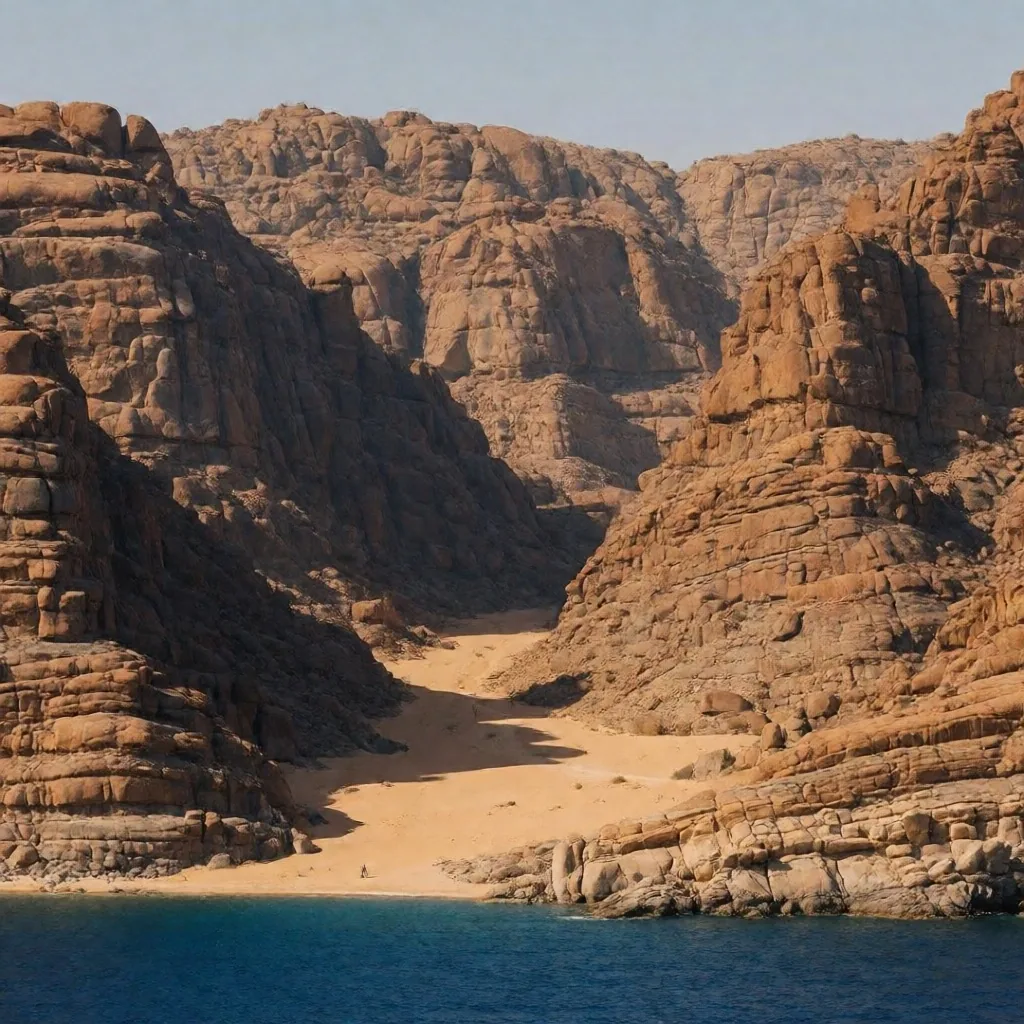
The Red Sea is a relatively young sea in geological terms, formed by the pulling apart of the African and Arabian plates. This tectonic activity created a deep rift that filled with seawater, resulting in a basin with steep walls and significant depth. The mountains that run parallel to the coast are part of this same geological process, made of ancient granite and volcanic rock.
Understanding this history helps visitors appreciate the dramatic verticality of the landscape, where you can move from a high mountain pass to a deep coral wall in a matter of kilometers. The rift drops to depths exceeding two thousand meters in places, yet near the shore the seafloor shelves away so steeply that deep, cold water sits close to the reef edge. That geology is the reason the water stays so clear and the coastline stays so narrow.
Entry 03
Coral reef structures
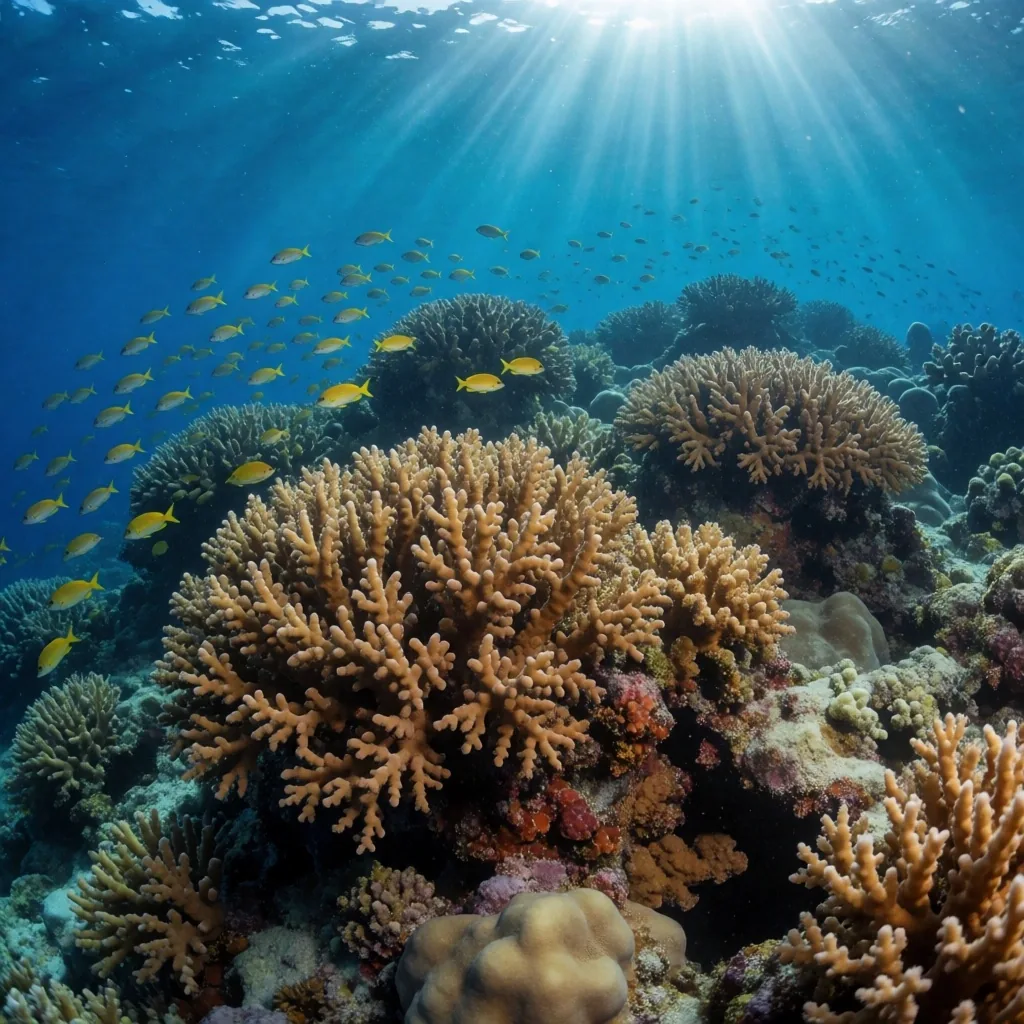
The primary attraction of the Red Sea is its extensive reef system. Unlike many other parts of the world, the reefs here are mostly fringing reefs, which grow directly from the shore or very close to it. This makes the underwater world incredibly accessible. The coral is built by tiny polyps over thousands of years, creating massive structures that support an immense variety of life.
We provide information on the different types of coral you might see, from branching hard corals to swaying soft corals. The reef edge — where the shallow shelf drops into deep blue — is the most active zone, and it is where the current runs strongest. Approach it with care. Even a light touch on coral can damage decades of growth, so keep your distance and let the reef's shape carry you.
Entry 04
Marine biodiversity
Four field observations
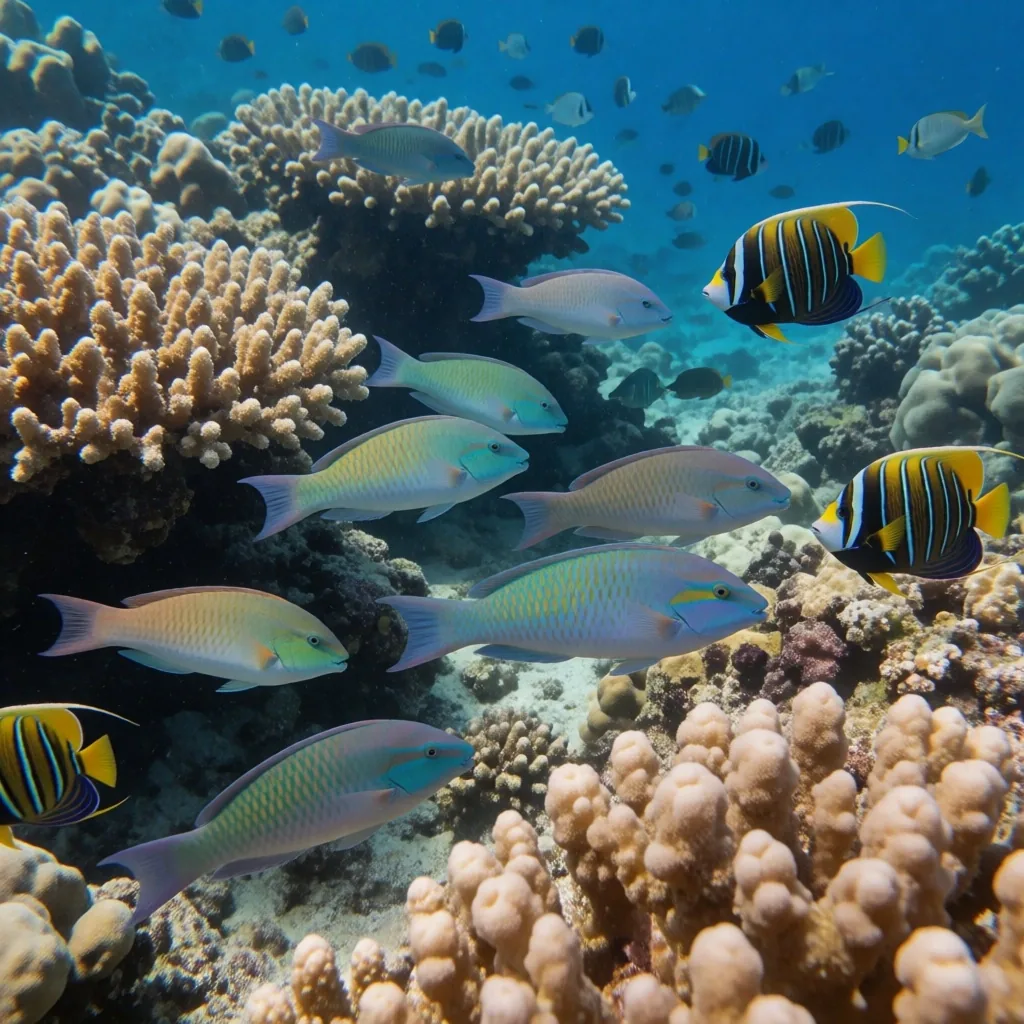
Reef fish
Over a thousand fish species live in these waters, many found nowhere else on earth. Look for butterflyfish, angelfish, and wrasse working the reef edge.
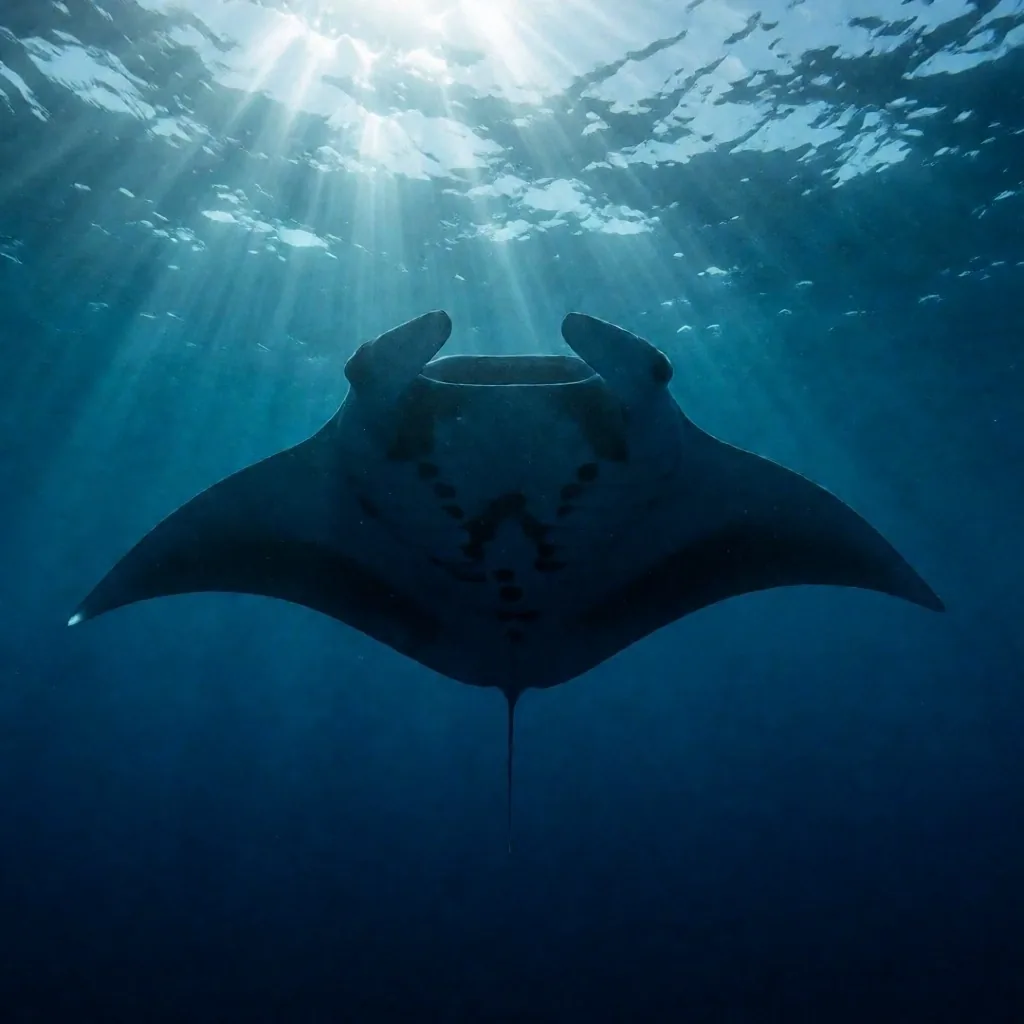
Pelagic species
Rays, turtles, and larger fish pass through the deeper channels. Spot them where the reef drops away and the current funnels plankton-rich water.
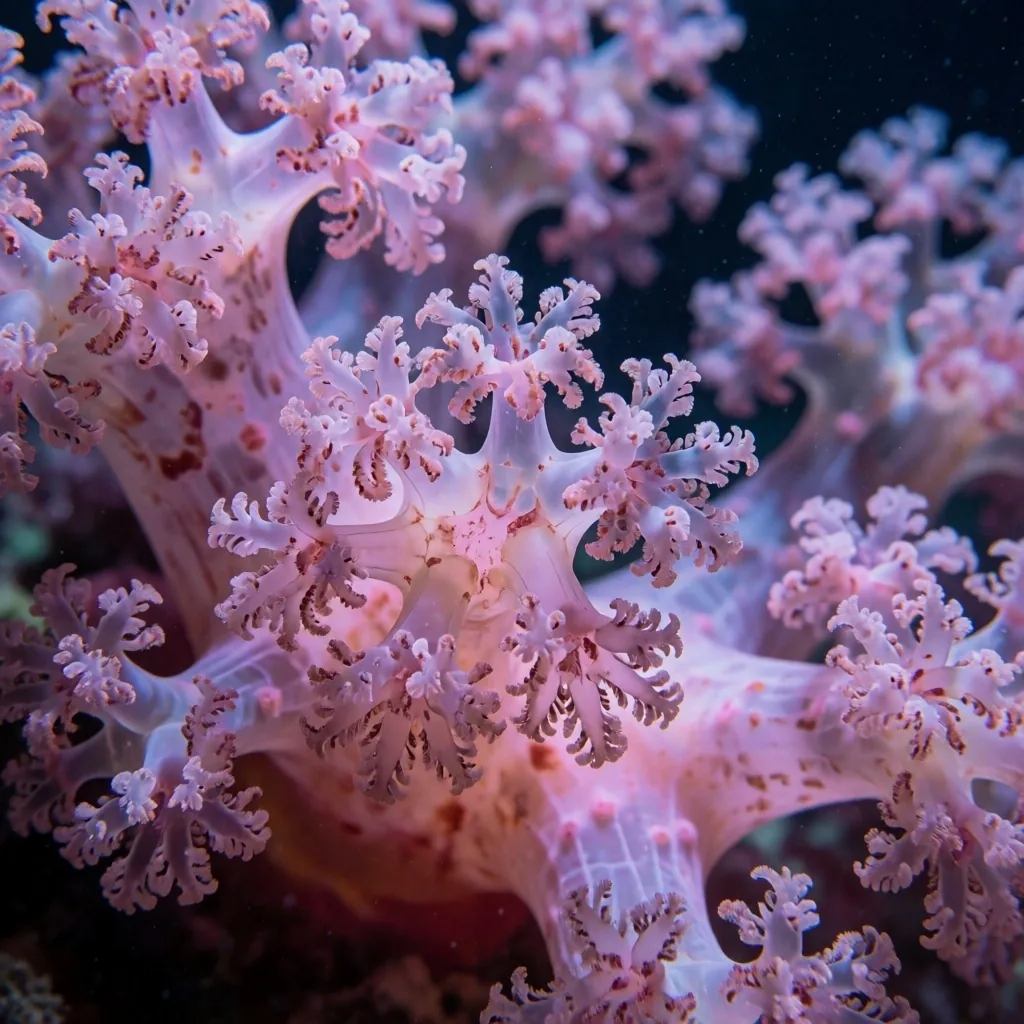
Coral types
Branching hard corals form the reef's skeleton; soft corals sway in the current. Learning to tell them apart adds depth to every shore visit.
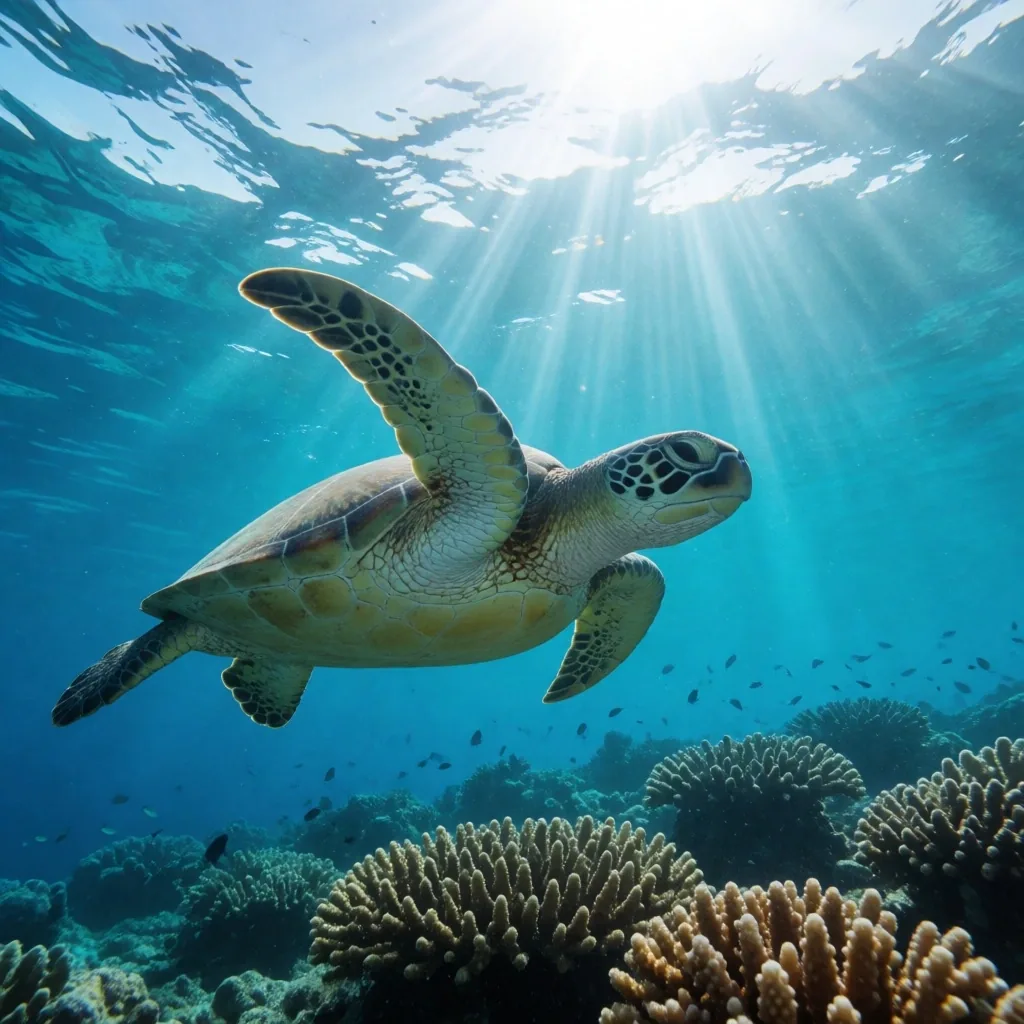
Turtles
Green and hawksbill turtles feed on the reef and rest in shallow shelves. Watch from a distance and never block their path to the surface.
The high salinity and warm temperatures of the water create a unique environment that supports everything from tiny, colorful reef fish to large pelagic species. Observing these animals in their natural habitat is a highlight of any egypt travelling guides. We emphasize the importance of non-intrusive observation, allowing the marine life to follow its natural behaviors without human interference.
Entry 05
Coastal mountains and wadis
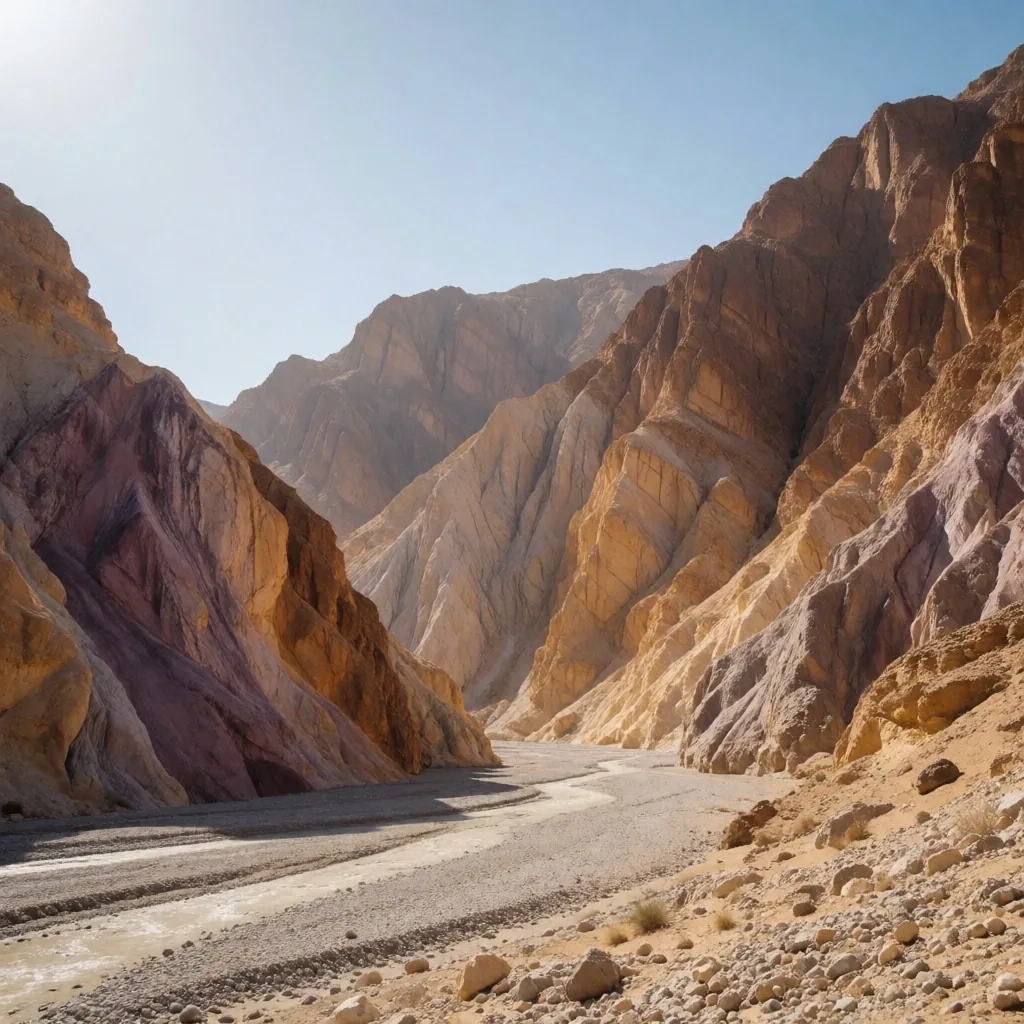
The land side of the Red Sea coast is just as fascinating as the water. The mountains of the Eastern Desert are cut by deep wadis — dry riverbeds that only carry water during rare, intense rainstorms. These wadis serve as natural paths into the interior, offering a glimpse into the rugged heart of the desert.
The rock formations here are vibrant with color, showing streaks of red, purple, and green due to the presence of various minerals. Exploring these valleys provides a stark contrast to the blue of the sea just a short distance away. Walk them in the early morning when the rock faces glow and the air is still cool, and be off the high ground before midday heat sets in.
Entry 06
The gift of clarity
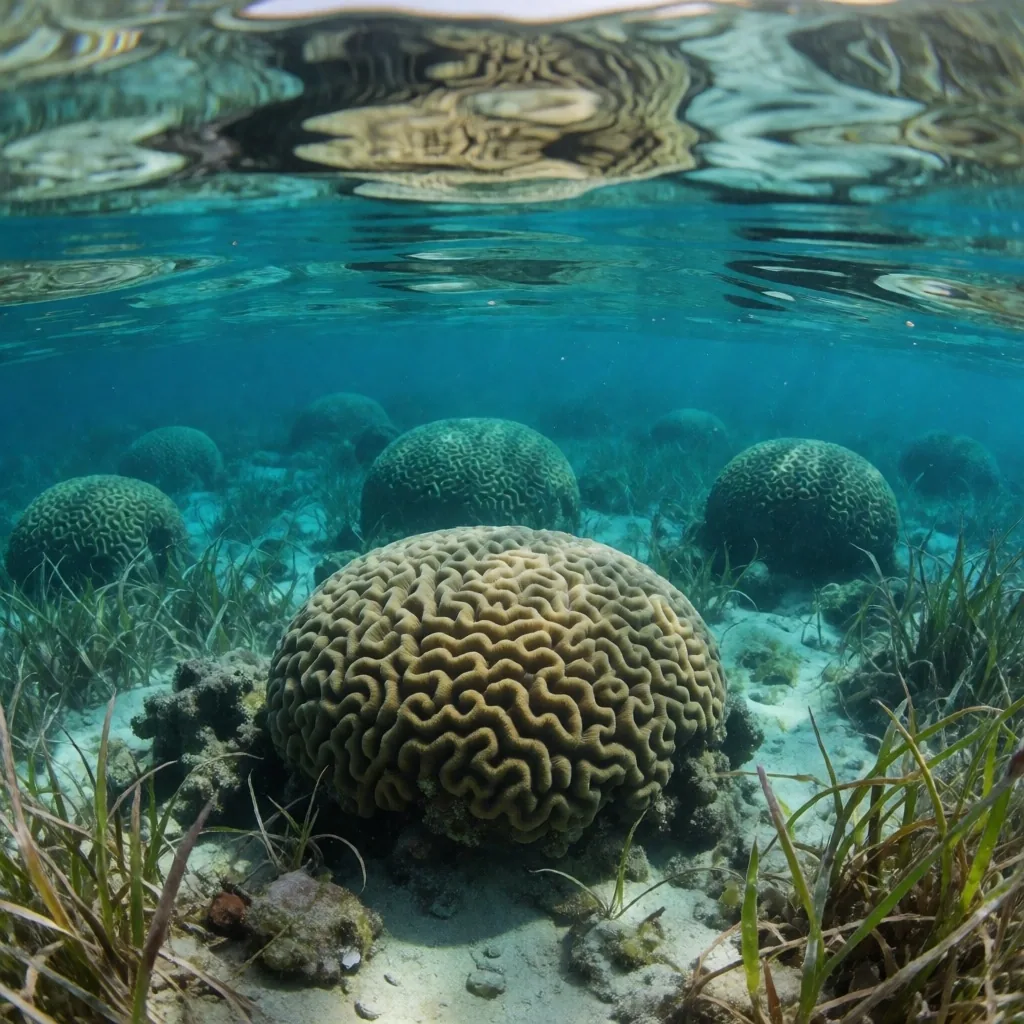
One of the most remarkable features of the Red Sea is the clarity of its water. Because no major rivers flow into the sea, there is very little sediment to cloud the view. This allows sunlight to penetrate deep into the water, fueling the growth of the coral reefs and providing excellent visibility for observers.
On a calm day, the surface of the water acts like a mirror, reflecting the surrounding mountains and the bright sun. This transparency is a key reason why the Red Sea is such a significant destination for nature lovers. It also means the sun's effect is doubled below the surface — what feels mild on the boat can burn quickly underwater.
Entry 07
Island ecosystems
Several uninhabited islands are scattered along the Red Sea coast, serving as important breeding grounds for birds and turtles. These islands are often surrounded by their own reef systems and offer a sense of total isolation.
The vegetation on these islands is minimal, restricted to a few salt-tolerant species, but the surrounding waters are teeming with life. Our travel guides touch upon the role these islands play in the broader ecological health of the region, serving as sanctuaries for species that might be disturbed on the mainland.
Approach islands slowly and keep noise low. Nesting birds abandon sites that feel threatened, and a disturbed turtle nesting beach may not be used again the following season.
Entry 08
The southern Red Sea
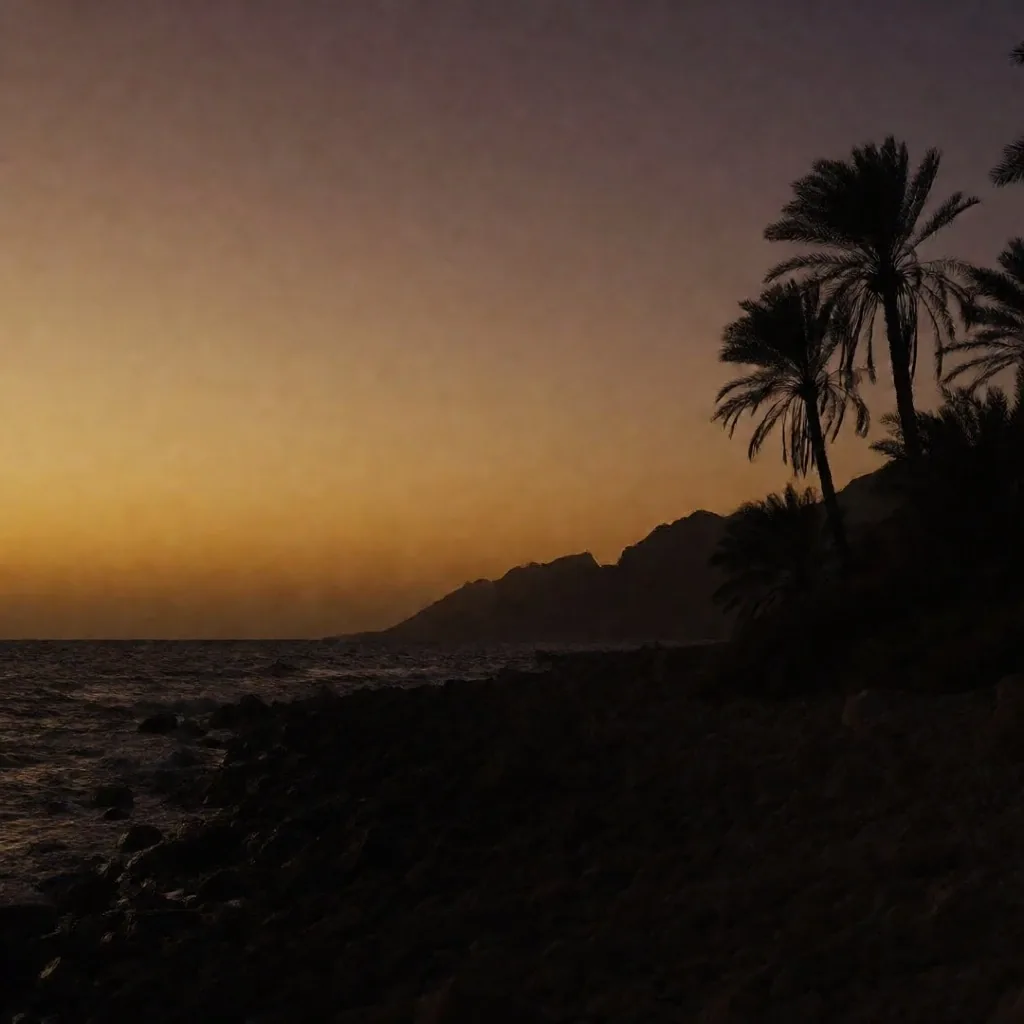
The further south you travel, the more remote and untouched the landscape becomes. In the southern reaches near the border, the mountains recede slightly, giving way to wider coastal plains and extensive mangrove stands.
The water here is even warmer, and the reefs are often larger and more complex. This is a region for the adventurous traveller into Egypt who wants to see the coast in its most natural state. The pace of life here is dictated by the sun and the sea, offering a true escape from modern pressures.
Services are sparse and the road is long. Carry extra water, fill your tank at every settlement, and plan to finish your drive well before dark.
Entry 09
Environmental challenges
The beauty of the Red Sea is fragile. Rising water temperatures and human activity pose significant threats to the coral reefs. Local environmental groups work to monitor the health of the sea and to implement protective measures.
As a visitor, understanding these challenges is part of being a responsible traveler. We provide guidance on how to minimize your environmental footprint, such as using reef-safe sun protection and avoiding any contact with the coral or marine life. Small choices, repeated across every visitor, make a measurable difference.
Entry 10
Birdlife of the eastern shore
The Red Sea is a vital path for migratory birds traveling between Europe and Africa. The thermal currents created by the coastal mountains allow large birds like eagles and storks to soar for long distances with minimal effort. Coastal lagoons and salt marshes provide essential resting and feeding areas.
For those interested in ornithology, the Red Sea coast offers a front-row seat to one of nature's greatest spectacles. Our egypt travelling guides help you identify the best times and places to see these seasonal visitors. Autumn and spring bring the largest flocks; early morning is when the thermals begin to lift.
Entry 11
Safety in the marine environment
While the Red Sea is beautiful, it is also a wild environment that requires respect. The sun is extremely strong, especially when reflected off the water, and currents can be deceptive. We provide practical advice on staying safe while exploring the coast, including the importance of staying hydrated and being aware of the local weather conditions.
Understanding the natural risks allows you to enjoy the beauty of the Red Sea with confidence and peace of mind.
-
Sun and heat
Drink water steadily through the day, not only when you feel thirsty. The sun reflects off water and pale rock — cover your neck and shoulders even on overcast mornings.
-
Currents
Currents along reef edges can pull parallel to the shore and change direction with the tide. Check conditions before entering, enter where the water is calm, and swim back to shore before you feel tired.
-
Rocky entries
Many shore entries are over sharp limestone or dead coral. Wear sturdy foot protection, move slowly, and use a shallow sandy channel where one exists.
-
Marine life contact
Do not touch coral, and keep clear of lionfish, scorpionfish, and sea urchins. If you are stung, rinse with seawater and seek help from the nearest shore community.