Planning tools, regional references, and field checklists for the traveller into Egypt.
Traveler Resources: Maps, Weather, and Checklists
Planning a successful journey through Egypt's diverse landscapes requires access to the right information. This page is a collection of essential resources designed to help the traveller into Egypt prepare for their trip. From regional maps and weather information to practical packing checklists, these tools support your exploration of the coast, the desert, and the Nile valley. Our egypt travelling guides are most effective when paired with these practical resources, ensuring you have everything you need for a safe and rewarding experience in the natural world.
Ten resources, one field
Jump to any section below or scroll through the full archive. Each entry covers practical details for travel in the Egyptian landscape.
Regional Maps and Navigation
Understanding the layout of the country is the first step in planning your route. We provide simplified regional maps that highlight the main natural features, transit routes, and oasis locations. These maps help you visualize the distances and the relationship between different geographic zones.
While they are not a replacement for professional GPS navigation, they serve as a valuable tool for high-level stay planning. We emphasize the importance of carrying physical maps when traveling in remote areas where digital signals may be unreliable. A phone screen can fail in the heat or lose signal in a wadi; a laminated paper map does not.
For the traveller into Egypt, the most useful map scale is one that shows the relationship between the Nile valley, the Red Sea coast, and the Western Desert oases. Distances are larger than they appear — a 200-kilometer stretch on the coastal road can take three hours with wind and terrain. Our travel guides include distance notes for each region we cover.
- A laminated physical map of the regions you plan to visit
- A downloaded offline map on your phone for primary navigation
- A compass as a backup — battery-free and reliable in any terrain
Climate and Weather Insights
Egypt's weather varies significantly by region and season. We provide a breakdown of average temperatures and rainfall for the main areas we cover, including the north coast, the Red Sea, the Nile valley, and the Western Desert. This information is crucial for deciding when to visit and what to pack. We also provide tips on how to interpret local weather forecasts and what to do in the event of extreme conditions like sandstorms or heatwaves.
Mediterranean
Mild winters with rain from December to February. Summers are warm and humid. Sea breezes keep coastal towns comfortable through July and August.
Arid Coast
Hot and dry year-round. Summer highs regularly exceed 38°C. Winter is the comfortable window — October through April brings clear skies and manageable heat.
Inland Heat
Very hot in summer with almost no rainfall. Winter days are warm and pleasant. Temperature drops sharply after sunset, especially in the south.
Extreme Dry
Days are scorching, nights can drop near freezing in winter. Sandstorms can reduce visibility to near zero. Always check conditions before heading into remote terrain.
A yellow-brown haze on the horizon, dropping pressure, and wind picking up dust from the ground. Seek shelter immediately.
June through August can see sustained temperatures above 40°C inland. Plan activity for early morning and after sunset.
Check regional forecasts daily. Local word-of-mouth from drivers and guides often catches conditions apps miss.
Packing Checklists for Nature
Packing for a trip into the Egyptian wilderness requires a focus on functionality and protection. We provide detailed packing checklists for different types of journeys, from coastal retreats to desert treks. These lists include essentials like breathable clothing, sun protection, sturdy footwear, and basic health supplies.
We also suggest items specific to the Egyptian environment: a high-quality water filter and a lightweight scarf for protection against wind and sand. The desert air dries out skin and lips faster than you expect — bring more moisturizer and lip balm than you think you need.
Coastal Trip
- Reef-safe sunscreen, SPF 50+
- Rash guard for swimming
- Dry bag for electronics
- Snorkel mask and fins (or rent locally)
- Light cotton layers for evening breeze
Desert Trek
- Broken-in hiking boots with ankle support
- Cotton scarf (wraps head, neck, and face)
- Water filter or purification tablets
- Wide-brim hat with chin strap
- Insulating layer for cold desert nights
Health and Safety Guidelines
Traveling in natural environments carries certain risks, and being aware of them is the first step in prevention. We provide a set of health and safety guidelines that cover everything from staying hydrated to avoiding local wildlife. This includes advice on food and water safety, sun protection, and what to do in case of a minor injury. Safety is our top priority for any traveller into Egypt.
Hydration
Drink at least three liters of water per day in hot conditions, more if walking. Carry electrolyte sachets. Tap water is not recommended for drinking — use sealed bottles or a verified filter.
Sun Protection
Apply sunscreen every two hours. Wear long-sleeved cotton shirts and a wide-brim hat. Avoid direct exposure between 11:00 and 15:00 from June through September.
Wildlife
Scorpions and snakes are present in desert areas. Shake out boots and bags before use. Do not reach into crevices or under rocks. Most encounters happen at dawn and dusk.
First-Aid Kit Essentials
Transport and Transit Tips
Moving between the different regions of Egypt can be a challenge. We provide practical advice on the various modes of transport available, including trains, buses, and private car hires. This includes tips on how to arrange travel, how to estimate travel times, and what to expect from each type of service.
Rail
The train network runs along the Nile valley and connects major cities. First-class and second-class carriages differ in comfort and cost. Reserve ahead during holidays and weekends. The route from the north to the south is scenic and reliable.
Long-Distance Bus
Buses reach coastal and desert towns the trains do not. Several companies operate air-conditioned coaches. Travel times are longer than by car. Bring snacks and water for routes over four hours.
Private Hire
For remote natural sites, a hired car with a local driver is often the only practical option. Agree on the fare and return time before departing. A driver who knows the terrain is worth the extra cost on desert routes.
Navigating Transit Hubs
Main stations are busy. Arrive early, keep your belongings close, and confirm your platform or departure gate with staff. A printed or screenshot reservation helps if your phone loses signal.
Reaching Remote Sites
Coastal coves, desert springs, and Nile backwaters often require a hired vehicle. Ask your accommodation to arrange a trusted driver. Shared taxis operate on some routes but follow irregular schedules.
Environmental Stewardship Principles
As a resource focused on the natural world, we are committed to promoting responsible travel. We provide a set of environmental stewardship principles that encourage visitors to minimize their impact on the land.
Leave no trace
Carry out everything you carry in. Food scraps, wrappers, and cigarette butts take years to decompose in arid conditions. Pack a small bag for waste on every outing.
Respect wildlife
Observe animals from a distance. Do not feed them — human food damages their health and alters natural behavior. Nesting birds and marine life are especially vulnerable to disturbance.
Reduce single-use plastics
Bring a refillable bottle. Many accommodations offer water refill stations. A personal filter bottle lets you treat tap water and avoid buying sealed bottles entirely.
Dispose of waste properly
In remote areas, bin infrastructure is scarce. Carry waste to the nearest town. Organic waste like fruit peels should also be packed out — it attracts wildlife to human paths.
Supporting local conservation efforts — through volunteer programs, local guides, or community-run accommodations — helps protect the landscapes you came to see.
Local Language and Etiquette Guide
A little bit of local knowledge goes a long way in facilitating positive interactions. We provide a basic guide to the local language, including common greetings and useful phrases. We also offer insights into local etiquette, such as how to dress modestly and how to interact respectfully with local communities.
Useful Phrases
Etiquette Notes
- Dress modestly, especially in villages and inland towns. Shoulders and knees should be covered. Lightweight cotton works well in heat.
- Use your right hand for greetings, eating, and exchanging money. The left hand is considered reserved for personal hygiene.
- Accept tea or coffee when offered by a host. Refusing hospitality can be read as distancing, even when you mean no offense.
- Ask before photographing people. Many will say yes; some will decline. Respect that.
Biodiversity Identification Tools
For those interested in the local flora and fauna, we provide a basic identification guide to some of the most common species you might see. This includes descriptions of iconic plants like the date palm and the acacia tree, as well as common birds and marine life. While this is not an exhaustive scientific resource, it serves as a great starting point for nature exploration.
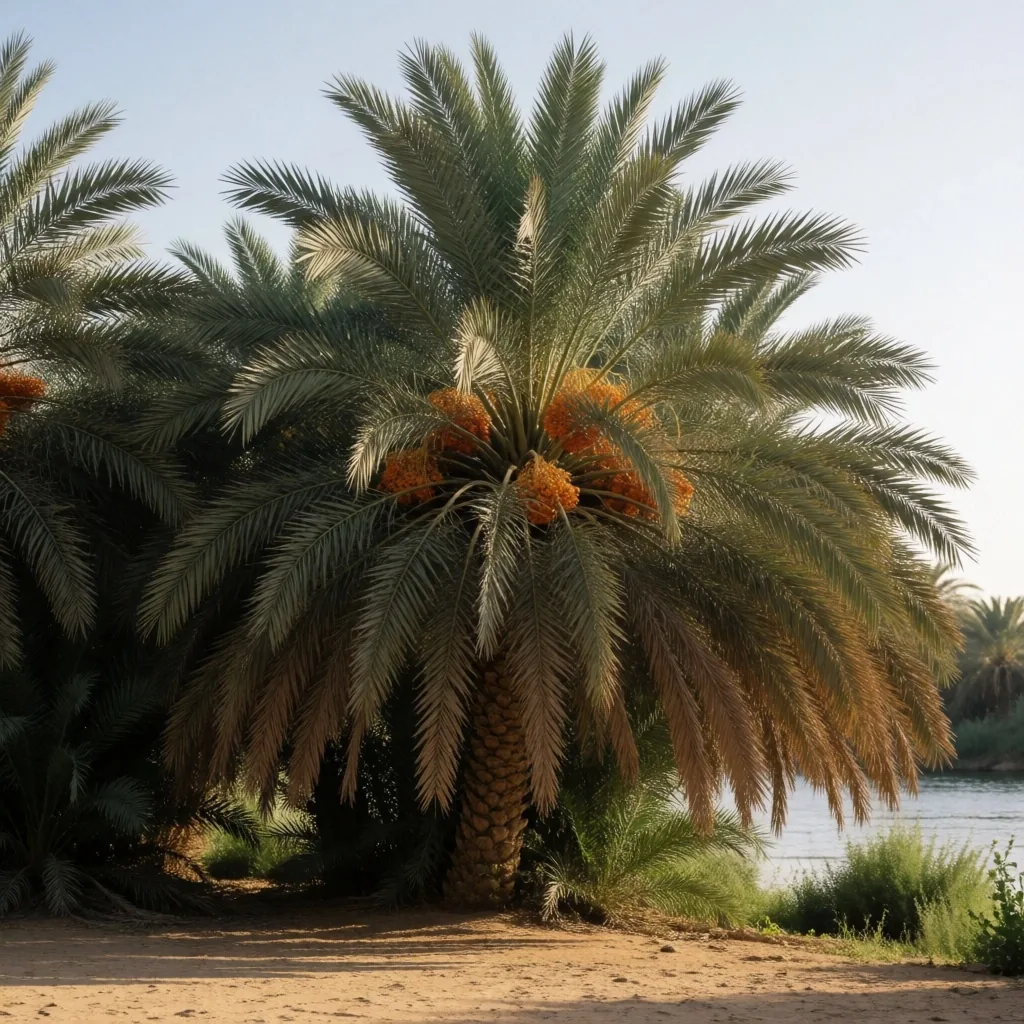
Date Palm
Found in oases and along the Nile. Fruit ripens in late summer. The shade beneath is cooler than open ground by several degrees.
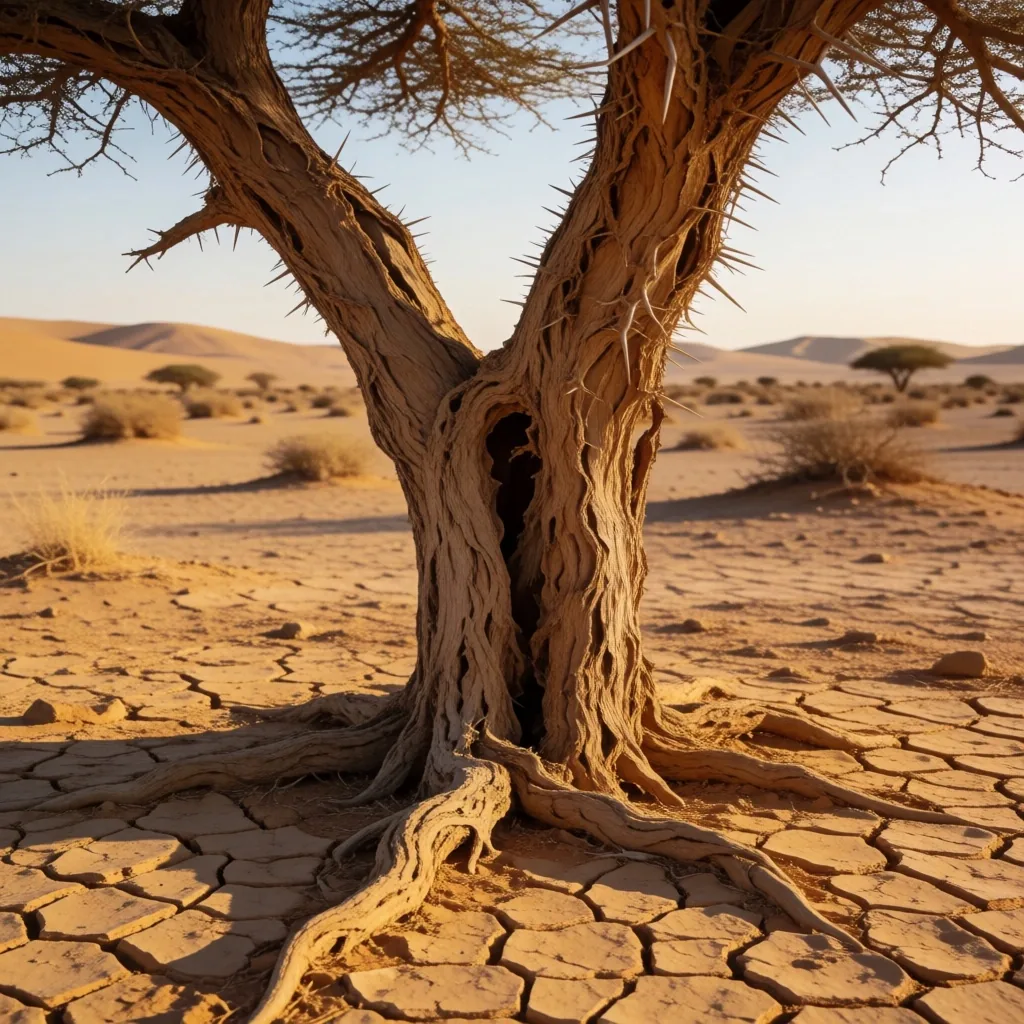
Acacia
Scattered across the Western Desert. Provides shade and food for desert wildlife. Thorns are sharp — give it space.
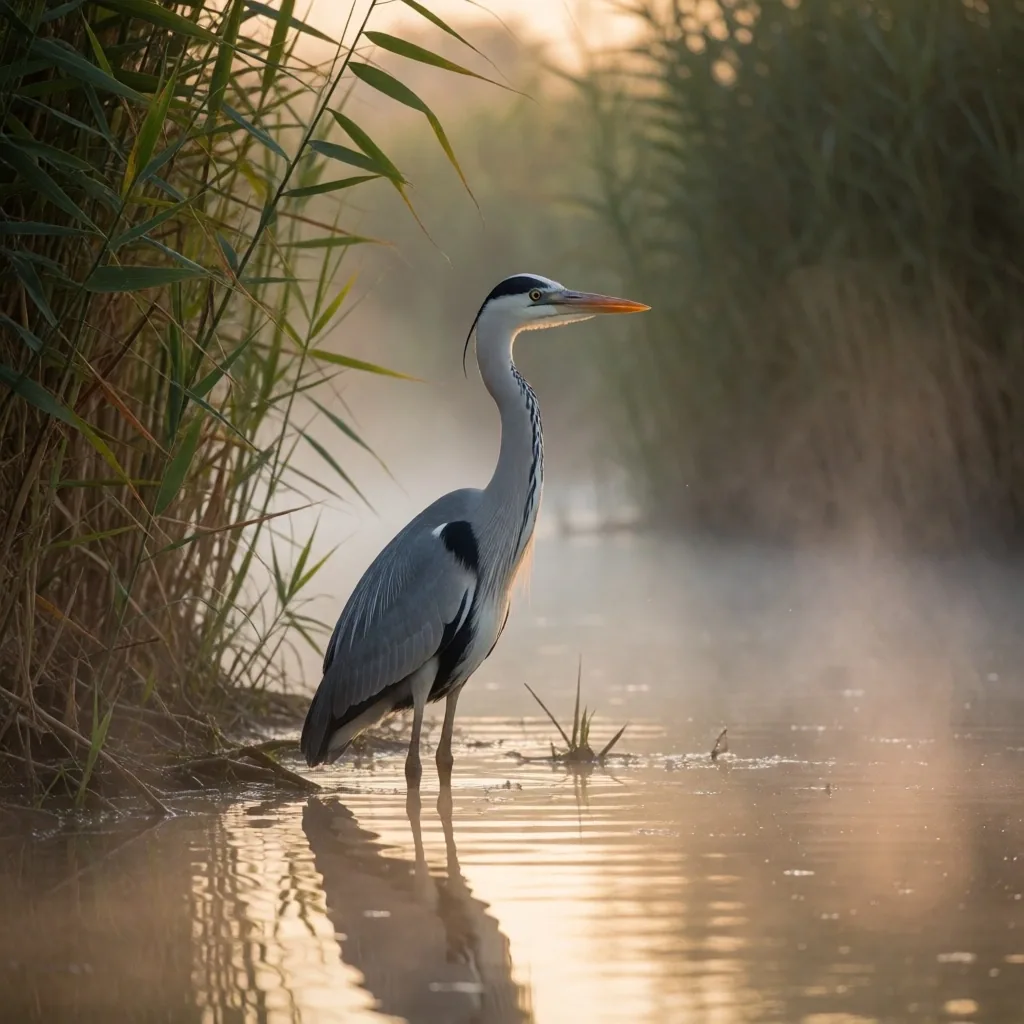
Nile Heron
Common along the riverbanks and in the Delta. Best seen at dawn when fishing in the shallows. Quiet and patient — easy to observe.
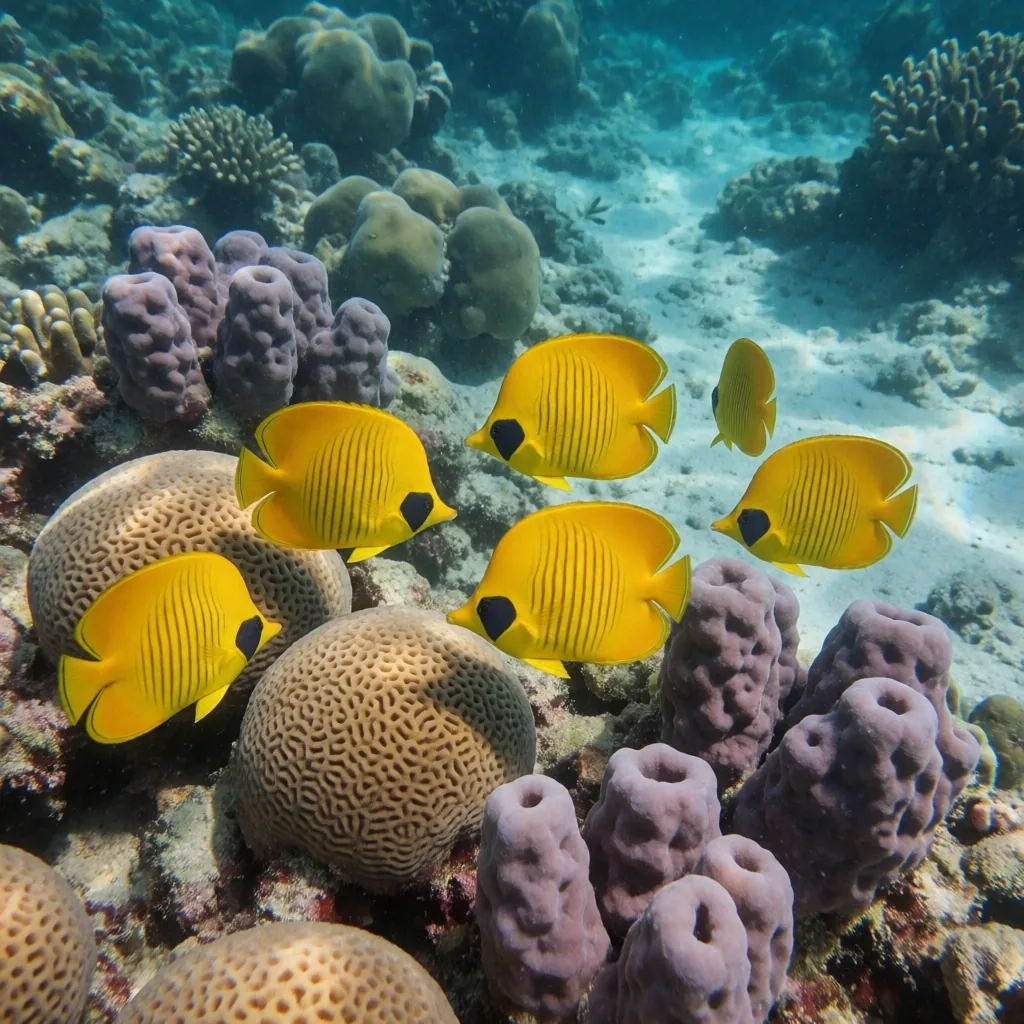
Reef Fish
The Red Sea hosts hundreds of species. Look for parrotfish, butterflyfish, and clownfish in shallow coral gardens. Do not touch the coral.
Seasonal Timing Recommendations
Choosing the right time to visit each region is crucial for a successful trip. We provide a seasonal timing guide that highlights the best months for different activities, such as birdwatching in the Delta, desert trekking in the Sinai, or relaxing on the Red Sea coast. We also point out the times when certain areas might be too hot or too crowded.
| Region | Best Months | Avoid | Notes |
|---|---|---|---|
| Nile Delta | Oct–Apr | Jul–Aug | Bird migration peaks in autumn and spring. Winter is mild and comfortable. |
| Red Sea Coast | Oct–Apr | Jun–Sep | Water is warm year-round. Summer air temperatures are extreme on shore. |
| Sinai Desert | Oct–Mar | May–Sep | Nights are cold in winter — bring insulation. Trekking is ideal in cooler months. |
| Western Desert | Nov–Mar | Jun–Sep | Spring can bring sandstorms. Winter nights drop near freezing. Oases are pleasant in cool season. |
| Nile Valley | Oct–Apr | Jun–Aug | Summer heat is intense. Winter days are warm, evenings cool — ideal for exploring. |
Local holidays and school breaks affect crowd levels. Ask your accommodation about timing if you prefer quieter sites.
Additional Informational Resources
In addition to the tools provided on this page, we offer a list of other reliable resources for travelers. This includes government travel advisories, local environmental organizations, and reputable travel forums. We also suggest some books and documentaries that provide deeper insights into Egypt's natural and cultural history.
Information is the best companion for any traveler. These resources help you continue your journey of discovery even after you have left the site.
About Discovery Egypt
Who we are, what we cover, and how we approach travel writing for the Egyptian landscape.
Ask a Question
Reach out if you have a specific question about a region, a route, or a seasonal condition we did not cover.
Nature Exploration
Field guidance for exploring the natural environment — where to walk, what to look for, and how to stay safe.
Planning Your Stay
Accommodation types, regional logistics, and how to structure a multi-region itinerary without overpacking your days.
A note on sources
We recommend cross-referencing information from multiple sources before any trip. Government travel advisories change, local conditions shift, and trail access can vary by season. The travel guides on this site are a starting point — not a substitute for local expertise on the ground.
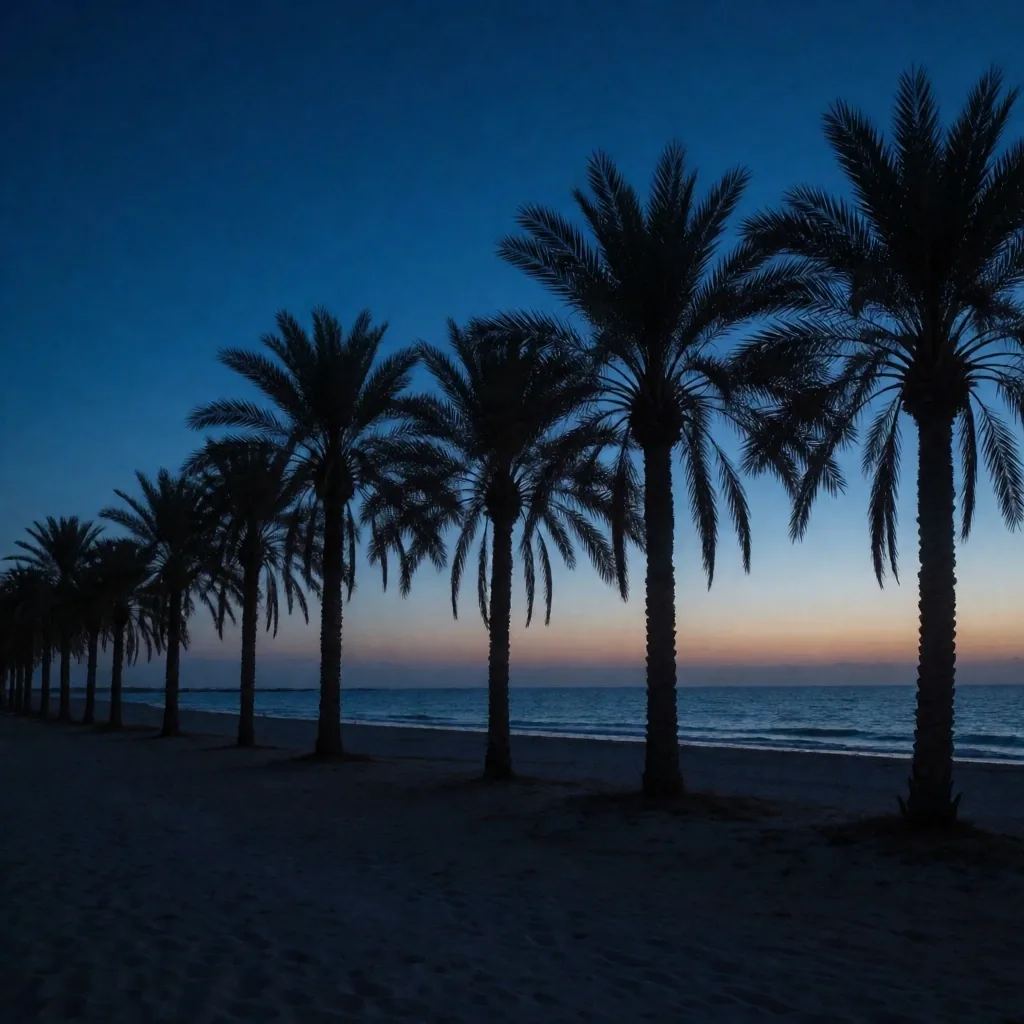
Take these tools into the field
Our egypt travelling guides cover each region in detail. Pair them with the checklists and climate notes on this page to plan a journey that fits the season, the terrain, and your own pace.
Find us on the map
Discovery Egypt is based in Malmköping, Sweden. We publish travel guides for the Egyptian landscape and answer questions from travellers planning their routes.